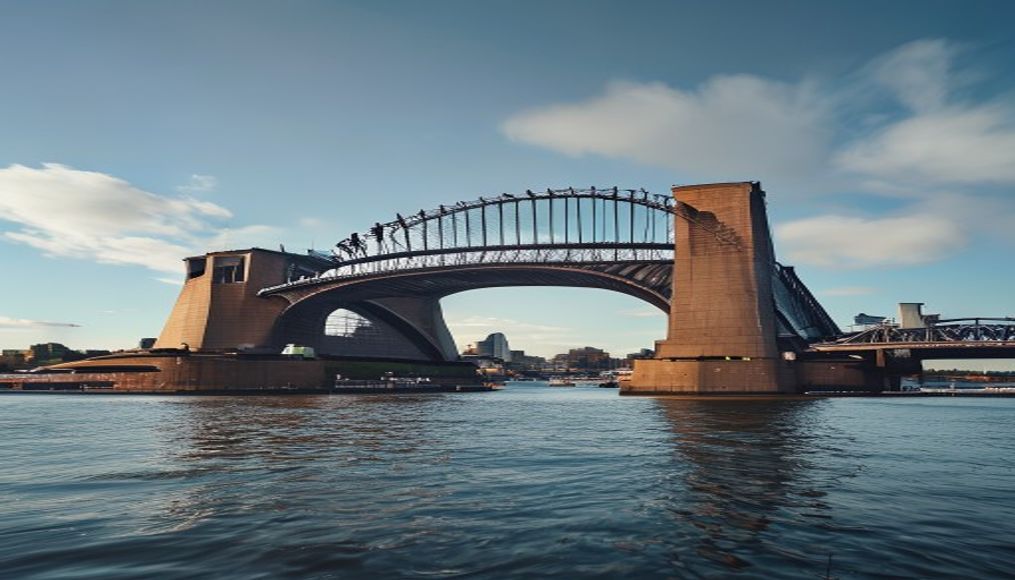
Venice grand canal
1344×768 · AVIF · CC BY 4.0
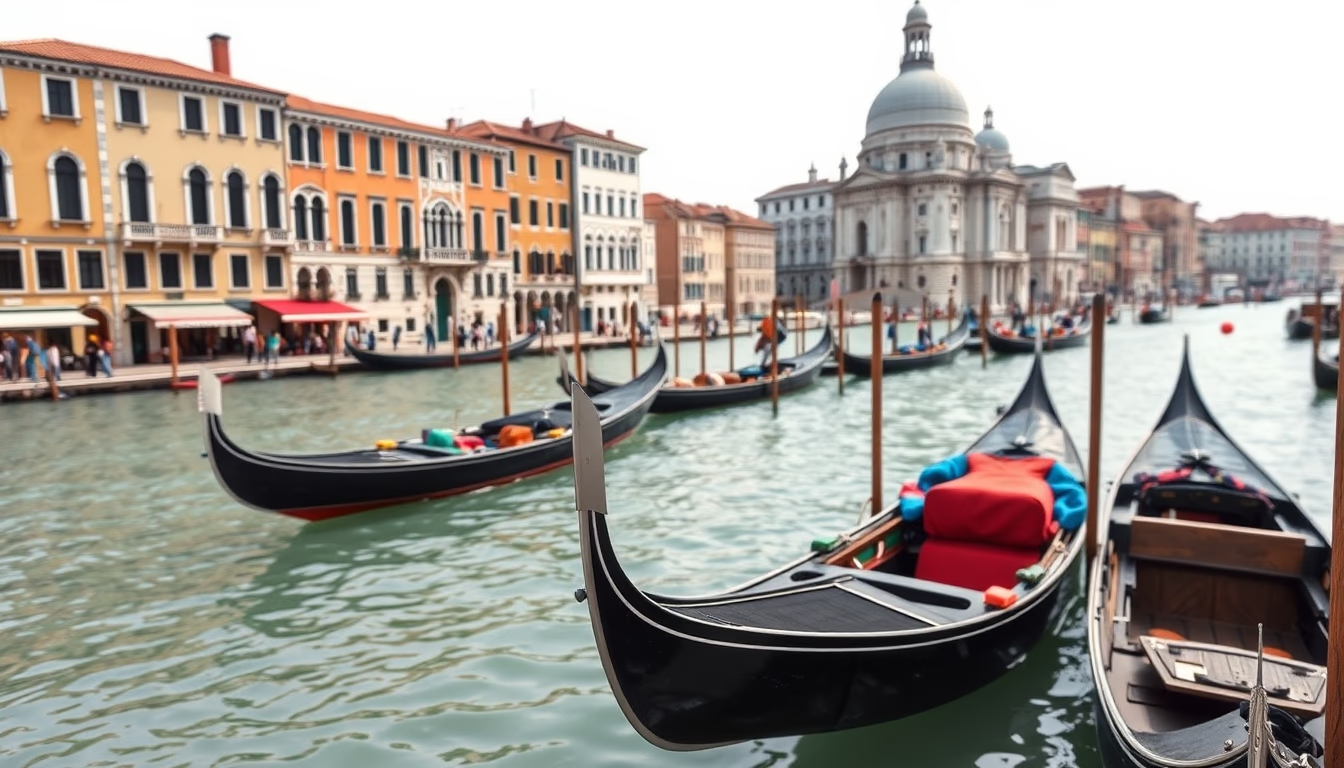
The Grand Canal of Venice is the city's main waterway, connecting the lagoon to the historic center and hosting centuries of commerce and culture.
About this subject
The Grand Canal, shaped like an inverted S, stretches about 3.8 kilometers through the heart of Venice. With an average width of 30 to 90 meters, it is the city's busiest waterway, frequented by gondolas, vaporettos, and cargo boats. Its banks are lined with over 170 palaces, churches, and historic buildings dating from the 13th to the 18th century, many showcasing Venetian Gothic, Byzantine, and Renaissance styles.
The canal's history dates back to the 9th century, serving as the main transportation route for the maritime trade of the Venetian Republic. Noble families competed to build increasingly ornate palaces along its shores, such as the Ca' d'Oro and Palazzo Grassi. The canal also hosts major events, including the famous Regata Storica, a rowing competition held annually since the 13th century, and processions during the Venice Carnival.
Today, the Grand Canal is one of the world's most iconic tourist attractions. The Rialto Bridge, the oldest and most famous of the four bridges crossing the canal, was designed by Antonio da Ponte and completed in 1591. Water traffic is intense, and vaporettos offer a practical way to admire the stunning architecture along the route. A curiosity: the canal's depth varies between 2 and 5 meters, with a muddy bottom that requires constant dredging to prevent siltation.
Culturally, the canal symbolizes Venice's resilience against tides and subsistence. Despite threats from rising sea levels and mass tourism, the Grand Canal remains the city's pulsating heart, witnessing centuries of history and innovation. Each year, millions of visitors navigate its waters, reliving the splendor of one of Europe's most powerful maritime republics.
Frequently Asked Questions
How many bridges cross the Grand Canal?
Four bridges cross the Grand Canal: the Rialto Bridge, the Accademia Bridge, the Scalzi Bridge, and the Constitution Bridge (also called Calatrava Bridge).
What is the depth of the Grand Canal?
The average depth of the Grand Canal is about 5 meters in the center, but it varies between 2 and 5 meters. The bottom is muddy and requires regular dredging.
Why do the palaces along the Grand Canal have such ornate facades?
The decorated facades were a way for wealthy families to show off during the Venetian Republic. The more ornate the facade, the greater the family's prestige and power.
Direct URL
https://pub-c7d6a6ea828543ac903a74a341ccb2e1.r2.dev/imagens/venice-grand-canal-commercial-product-photography-p11.avifHow to credit
Include a visible link back to UtilizAí. Copy one of the snippets below:
<a href="https://xn--utiliza-eza.com/en/midia/imagens/venice-grand-canal-commercial-product-photography-p11">Venice grand canal</a> by <a href="https://xn--utiliza-eza.com">UtilizAí</a>, licensed under <a href="https://creativecommons.org/licenses/by/4.0/">CC BY 4.0</a>.
[Venice grand canal](https://xn--utiliza-eza.com/en/midia/imagens/venice-grand-canal-commercial-product-photography-p11) by [UtilizAí](https://xn--utiliza-eza.com), CC BY 4.0
License: CC-BY-4.0