Urban skyscraper glass facade
1344×768 · AVIF · CC BY 4.0
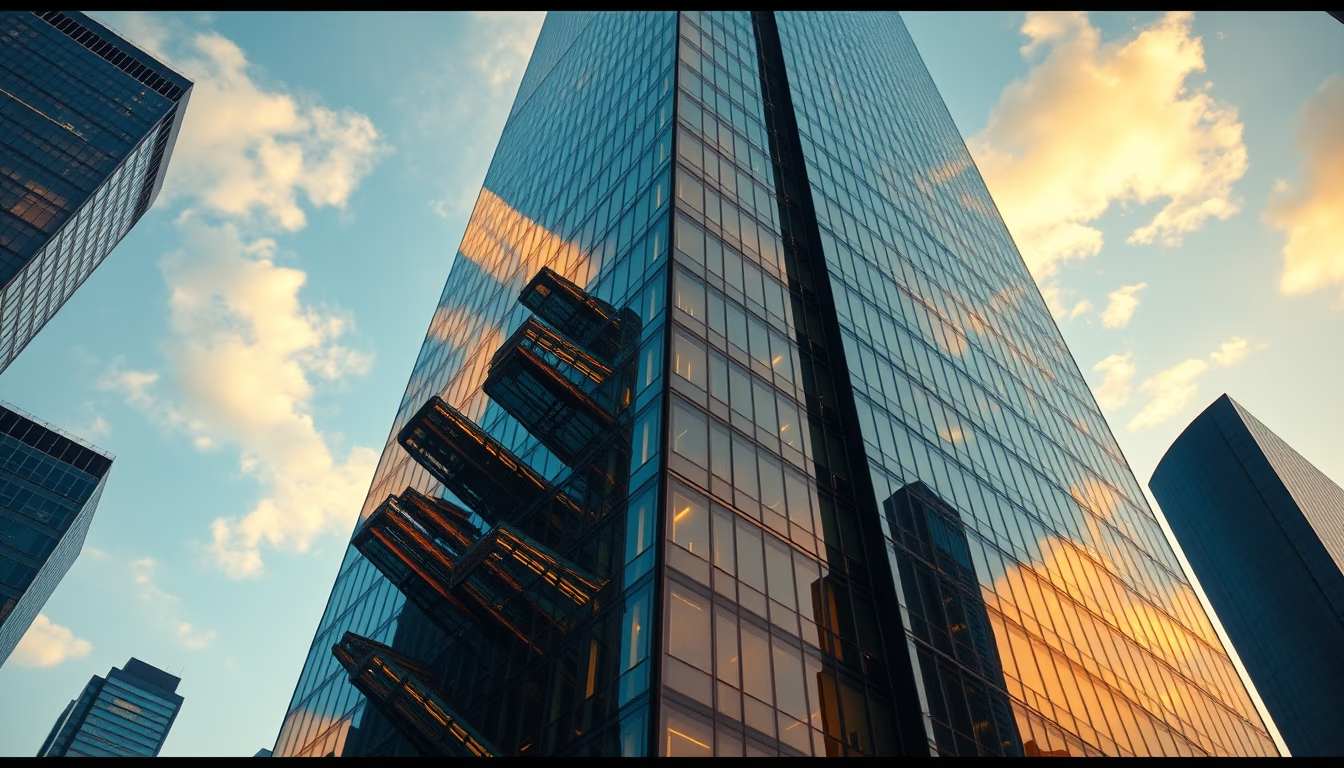
A glass-facade skyscraper reflects the dynamism of global financial hubs, blending modern engineering with energy efficiency.
About this subject
Glass-facade skyscrapers are landmarks of contemporary corporate architecture, especially in financial hubs like São Paulo, New York, and Shanghai. Glass, combined with steel and concrete structures, enables taller, lighter buildings that maximize natural light and reduce electricity consumption. In Brazil, iconic examples include the Edifício Itália and the Faria Lima business complex, where glass facades reflect the sky and urban landscape, creating an aesthetic of modernity and transparency.
The technology behind these facades has evolved significantly. Double or triple glazing with low-emissivity (Low-E) coatings controls heat transfer, while reflective or spectrally selective coatings block UV rays without compromising illumination. In tropical climates like Brazil's, laminated glass and air chambers are essential for thermal and acoustic insulation. Additionally, curtain wall systems allow the building to "breathe," integrating natural ventilation into sustainable designs.
Interestingly, the popularization of structural glass began in the 20th century with the Seagram Building (1958) in New York, which set the standard for minimalist elegance. Today, buildings like the Burj Khalifa or One World Trade Center use glass not only for aesthetics but to reduce structural weight and improve energy efficiency. In São Paulo, the E-Tower building, with its blue glass facade, exemplifies how the material can integrate into the skyline, reflecting the city's economic dynamism.
Globally, glass skyscrapers also face criticism regarding energy consumption for cooling and visual impact on historic areas. However, innovations such as photovoltaic glass and automated shading systems are making these facades more sustainable. The image of a glass-facade skyscraper thus symbolizes not only corporate power but also the pursuit of architectural solutions that balance aesthetics, functionality, and environmental responsibility.
Frequently Asked Questions
Why do skyscrapers use glass facades?
Glass facades allow more natural light, reduce structural weight, and provide thermal and acoustic insulation when combined with technologies like double glazing and Low-E coatings. They also offer a modern, transparent aesthetic valued in corporate centers.
How does glass contribute to sustainability in buildings?
High-performance glass reduces the need for artificial lighting and air conditioning. Systems like photovoltaic glass generate energy, while ventilated facades improve thermal comfort. In tropical climates, laminated glass and air chambers minimize heat gain.
What are key examples of glass skyscrapers in Brazil?
Notable examples include Edifício Itália (São Paulo), E-Tower (São Paulo), and the Faria Lima complex. These buildings combine glass with steel structures, reflecting the urban landscape and symbolizing economic development.
Direct URL
https://pub-c7d6a6ea828543ac903a74a341ccb2e1.r2.dev/imagens/urban-skyscraper-glass-facade-cinematic-wide-shot-v2.avifHow to credit
Include a visible link back to UtilizAí. Copy one of the snippets below:
<a href="https://xn--utiliza-eza.com/en/midia/imagens/urban-skyscraper-glass-facade-cinematic-wide-shot-v2">Urban skyscraper glass facade</a> by <a href="https://xn--utiliza-eza.com">UtilizAí</a>, licensed under <a href="https://creativecommons.org/licenses/by/4.0/">CC BY 4.0</a>.
[Urban skyscraper glass facade](https://xn--utiliza-eza.com/en/midia/imagens/urban-skyscraper-glass-facade-cinematic-wide-shot-v2) by [UtilizAí](https://xn--utiliza-eza.com), CC BY 4.0
License: CC-BY-4.0