Ukulele hawaiian wood
1344×768 · AVIF · CC BY 4.0
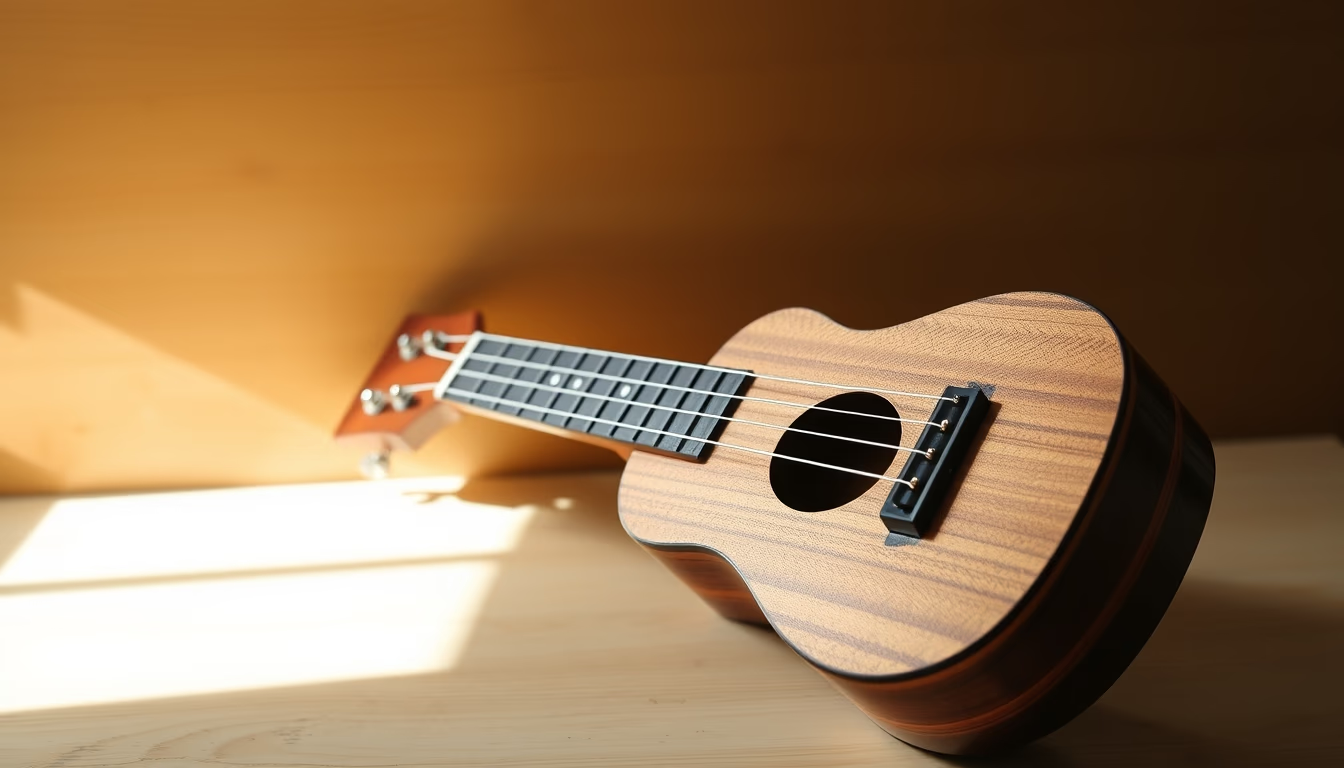
The Hawaiian ukulele made from koa wood is a symbol of island culture, blending artisanal craftsmanship with a distinctive sound.
About this subject
The ukulele is a string instrument originating from Hawaii, developed in the 19th century from the Portuguese machete. The Hawaiian version conquered the world, but its essence remains tied to koa wood, a tree native to the islands. Koa (Acacia koa) is known for its beauty, with wavy grains and colors ranging from light brown to golden. This wood not only offers strength and lightness but also gives the ukulele a warm, rich tone prized by musicians of all levels.
The use of koa in ukulele making is a tradition dating back to early Hawaiian luthiers such as Samuel Kamaka, who founded Kamaka Hawaii in 1916. The wood is carefully selected and aged for years, then carved into body, neck, and soundboard. Hawaiian luthiery is globally recognized, and a koa ukulele can take weeks to finish. The resulting sound is so distinctive that many consider koa essential for the instrument's authentic voice.
Beyond music, koa holds cultural significance in Hawaii. In local mythology, the tree is associated with protection and healing. Its wood was used for canoes and tools by ancient Polynesians. Today, the tree is protected and its harvest regulated, making koa a valuable resource. Koa ukuleles are often seen as collector's items or family heirlooms, carrying the aloha spirit.
The ukulele itself has transformed global music, appearing in pop songs and film scores. The koa model represents the pinnacle of Hawaiian tradition: artisanal, sustainable, and steeped in history. Musicians like Israel Kamakawiwoʻole immortalized the sound of the koa ukulele, showing the world the depth of a seemingly simple instrument.
Frequently Asked Questions
What is koa wood and why is it used for ukuleles?
Koa is a tree native to Hawaii, prized for its beauty and warm tone. Its wood is light, strong, and produces a rich timbre, ideal for high-quality ukuleles.
How does a koa ukulele differ from other materials?
Koa ukuleles offer a fuller, more sustained sound with balanced projection. Other woods (like mahogany or nato) may be cheaper but cannot replicate koa's tonal complexity.
How do I maintain a koa wood ukulele?
Avoid direct sunlight and excessive humidity. Wipe with a dry cloth and use wood-specific conditioners. Store in a hard case to protect the finish.
Direct URL
https://pub-c7d6a6ea828543ac903a74a341ccb2e1.r2.dev/imagens/ukulele-hawaiian-wood-minimalist-composition-p4.avifHow to credit
Include a visible link back to UtilizAí. Copy one of the snippets below:
<a href="https://xn--utiliza-eza.com/en/midia/imagens/ukulele-hawaiian-wood-minimalist-composition-p4">Ukulele hawaiian wood</a> by <a href="https://xn--utiliza-eza.com">UtilizAí</a>, licensed under <a href="https://creativecommons.org/licenses/by/4.0/">CC BY 4.0</a>.
[Ukulele hawaiian wood](https://xn--utiliza-eza.com/en/midia/imagens/ukulele-hawaiian-wood-minimalist-composition-p4) by [UtilizAí](https://xn--utiliza-eza.com), CC BY 4.0
License: CC-BY-4.0