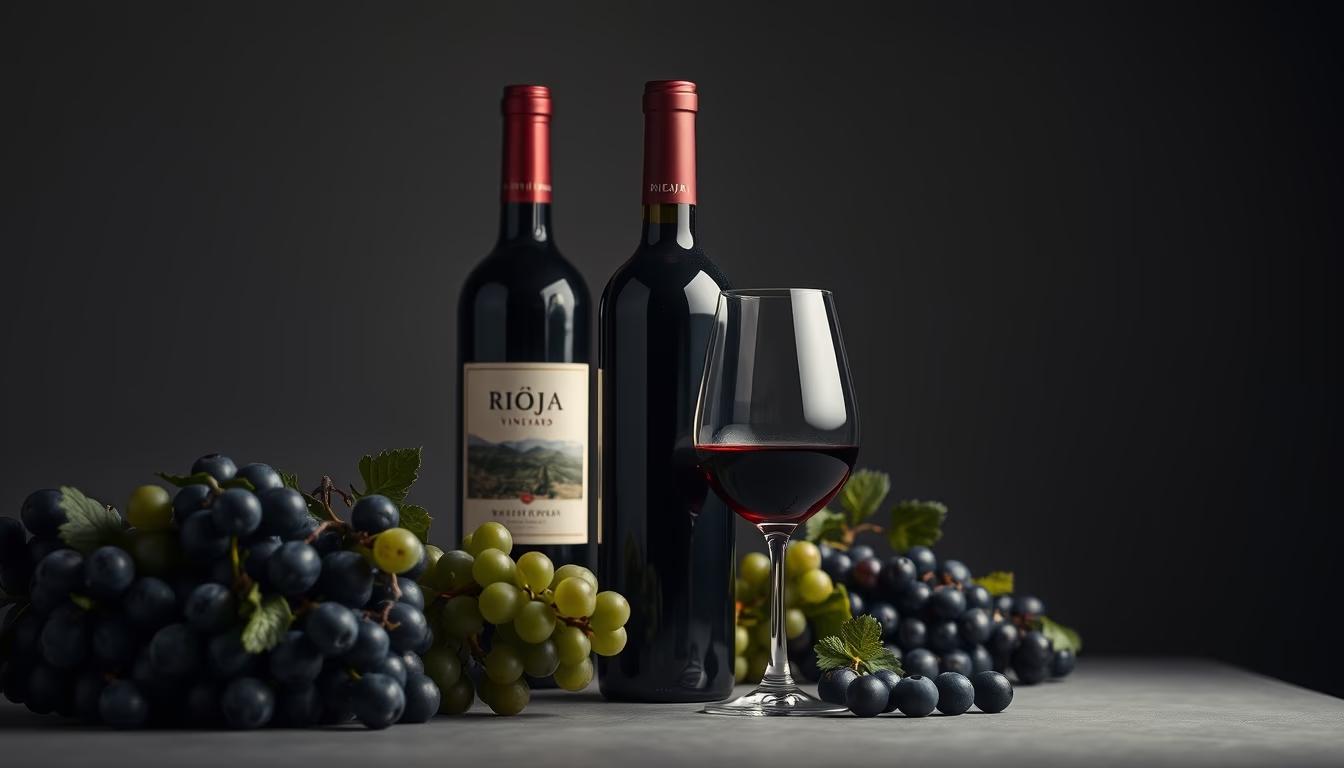
Tuscany chianti hills
1344×768 · AVIF · CC BY 4.0
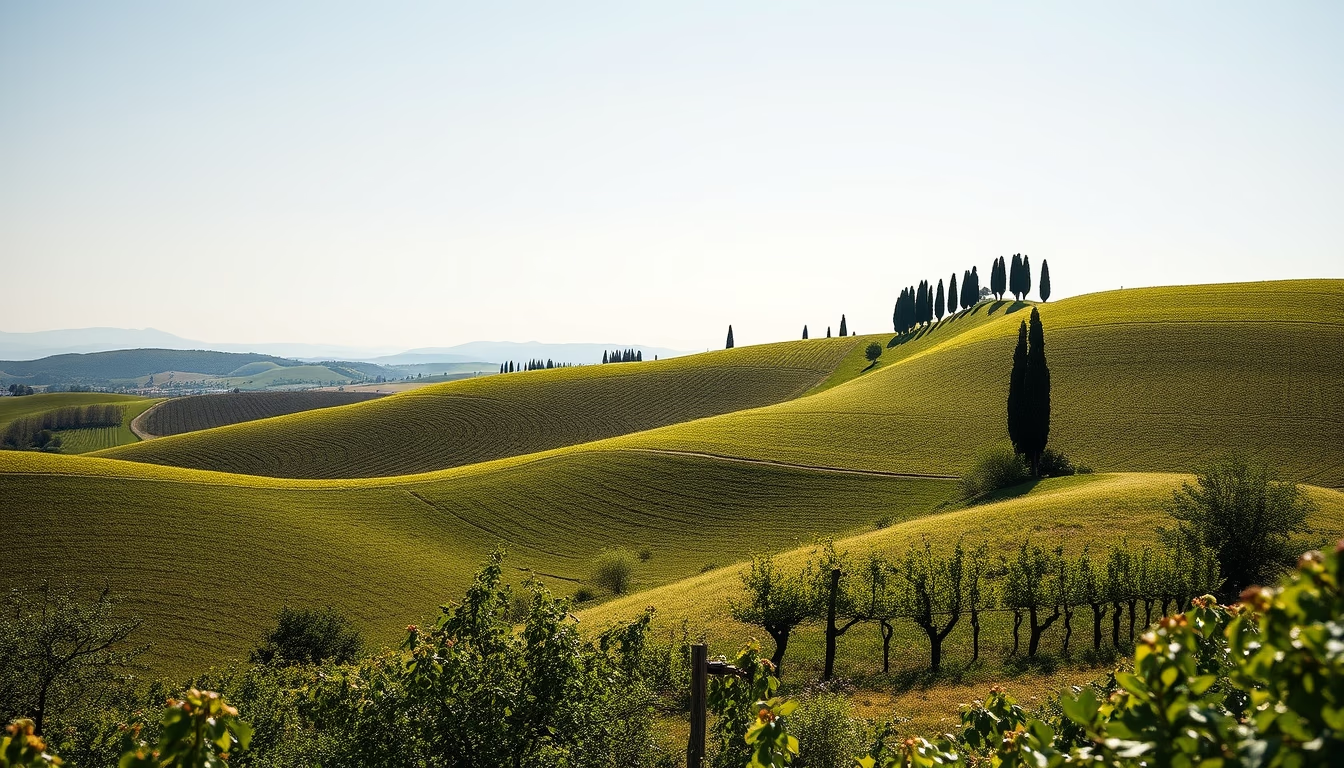
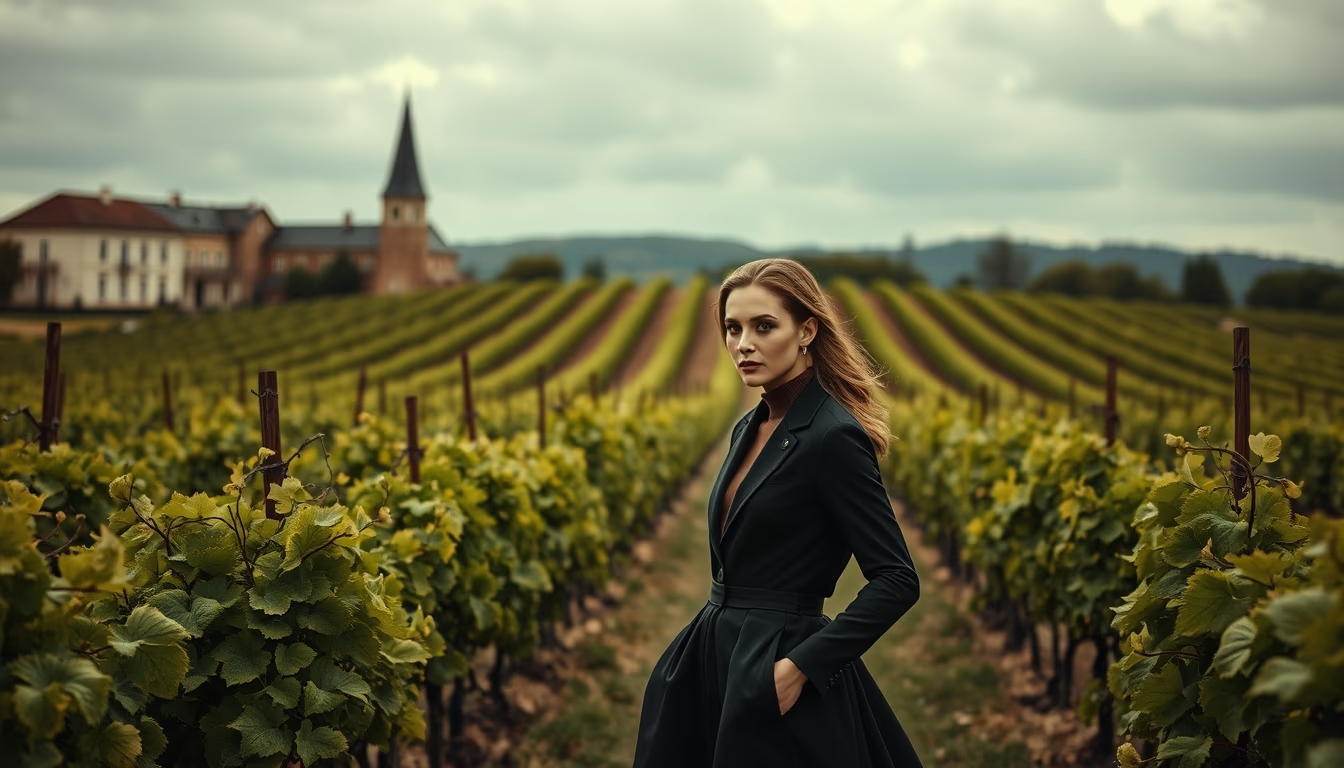
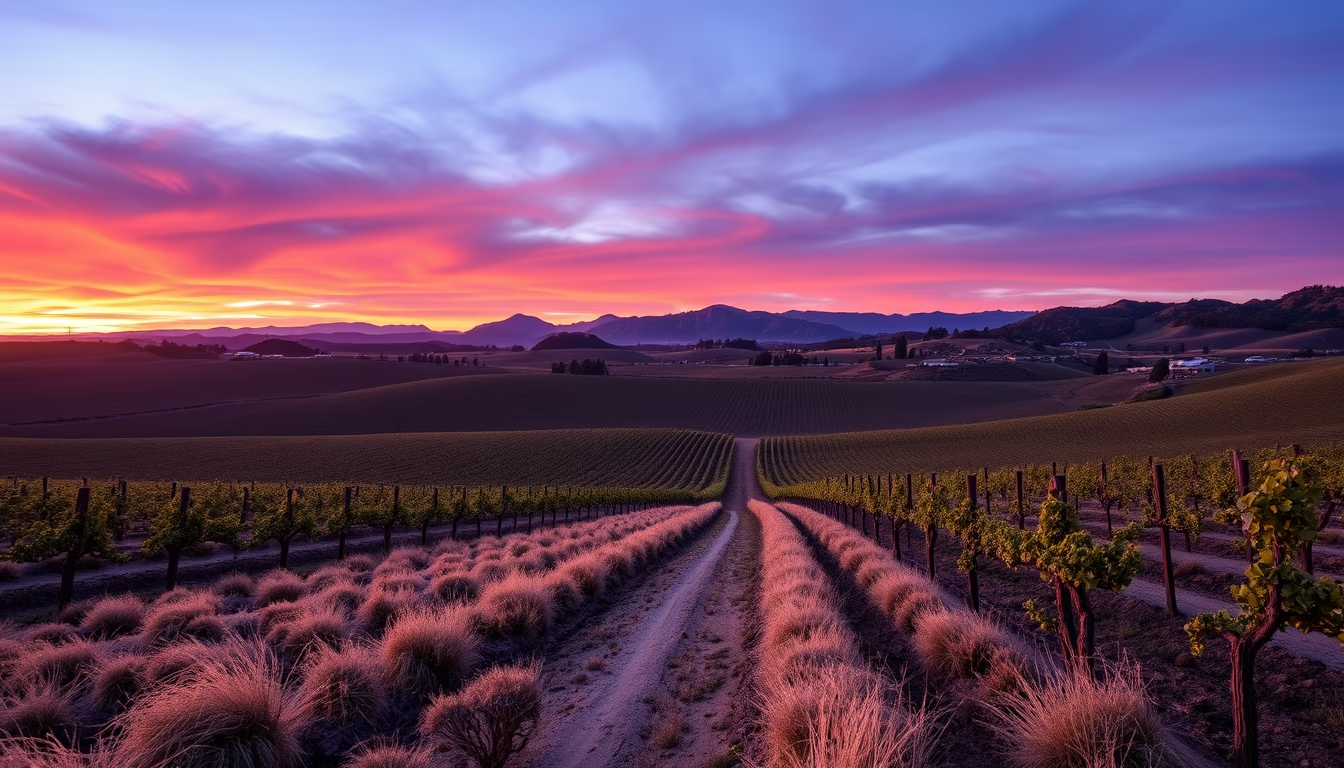
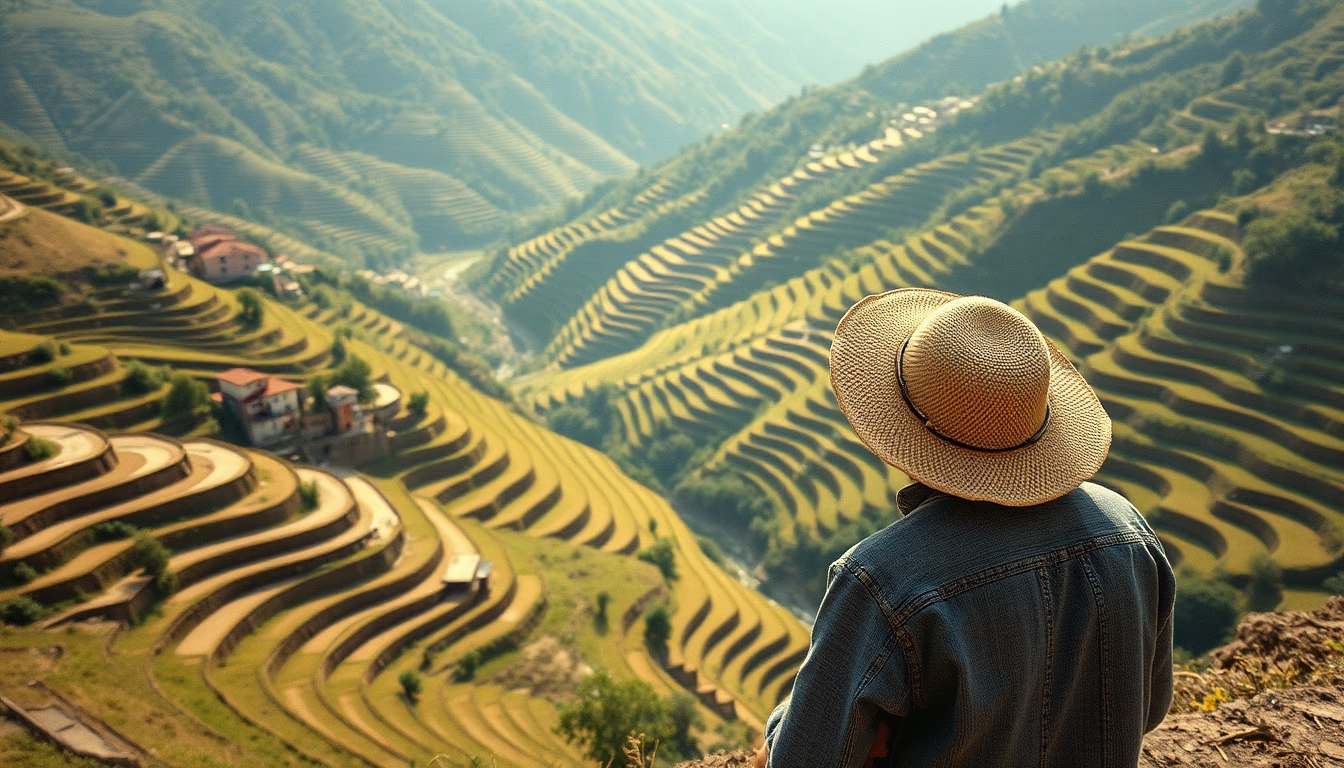
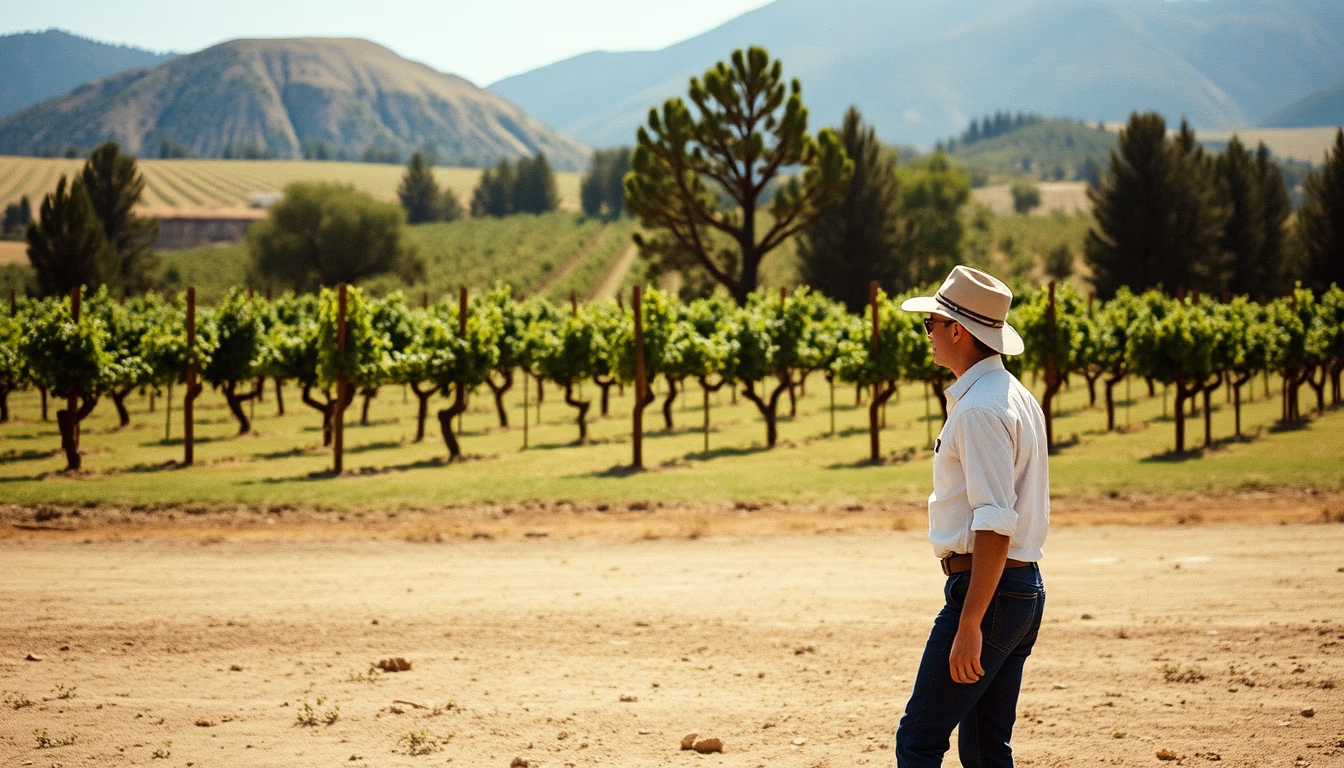
The Chianti hills in Tuscany form one of the world's most iconic wine regions, known for its red wines and stunning landscapes.
About this subject
The Chianti hills are located in the heart of Tuscany, between the cities of Florence and Siena. This hilly region is world-famous for its production of Chianti wine, a full-bodied red based on the Sangiovese grape. The Chianti Classico DOCG (Denominazione di Origine Controllata e Garantita) covers the oldest and most prestigious area, with strict production rules.
The landscape of the Chianti hills is characterized by gentle slopes covered with vineyards, olive groves, and cypress woods. Small medieval villages like Greve in Chianti and Radda in Chianti dot the territory, offering a glimpse of local history and culture. The region is also known for its high-quality extra virgin olive oil, as well as typical dishes such as ribollita and bistecca alla fiorentina.
Historically, the first vines were planted by the Etruscans, but Chianti gained fame during the Middle Ages. The famous 'Black Rooster' (Gallo Nero) is the symbol of the Chianti Classico Consortium, founded in the 13th century to protect the wine's authenticity. Today, the region attracts wine tourists from around the world, seeking not only tastings but also the untouched beauty of the Tuscan hills.
A curiosity: the name 'Chianti' has uncertain origins, possibly derived from the Latin 'clangor' (sound of trumpets) or the Etruscan 'clante'. In 2013, UNESCO recognized the cultural landscape of the region as a World Heritage Site, highlighting the harmony between nature and human cultivation.
Frequently Asked Questions
What makes Chianti Classico wine different from regular Chianti?
Chianti Classico is produced in a narrower historical zone with stricter rules, such as a higher Sangiovese content (minimum 80%) and a minimum aging of 12 months. The Gallo Nero seal guarantees authenticity.
What is the best time to visit the Chianti hills?
Spring (April to June) and autumn (September to October) are ideal, with mild temperatures and colorful landscapes. In autumn, the grape harvest (vendemmia) offers unique wine tourism experiences.
Were the Chianti hills declared a UNESCO World Heritage site?
Yes, in 2013 the cultural landscape of the Chianti region was inscribed on the UNESCO list, recognizing its exceptional combination of natural beauty, traditional agriculture, and history.
Direct URL
https://pub-c7d6a6ea828543ac903a74a341ccb2e1.r2.dev/imagens/tuscany-chianti-hills-studio-still-life-fresh0.avifHow to credit
Include a visible link back to UtilizAí. Copy one of the snippets below:
<a href="https://xn--utiliza-eza.com/en/midia/imagens/tuscany-chianti-hills-studio-still-life-fresh0">Tuscany chianti hills</a> by <a href="https://xn--utiliza-eza.com">UtilizAí</a>, licensed under <a href="https://creativecommons.org/licenses/by/4.0/">CC BY 4.0</a>.
[Tuscany chianti hills](https://xn--utiliza-eza.com/en/midia/imagens/tuscany-chianti-hills-studio-still-life-fresh0) by [UtilizAí](https://xn--utiliza-eza.com), CC BY 4.0
License: CC-BY-4.0