Tuscany chianti hills
1344×768 · AVIF · CC BY 4.0
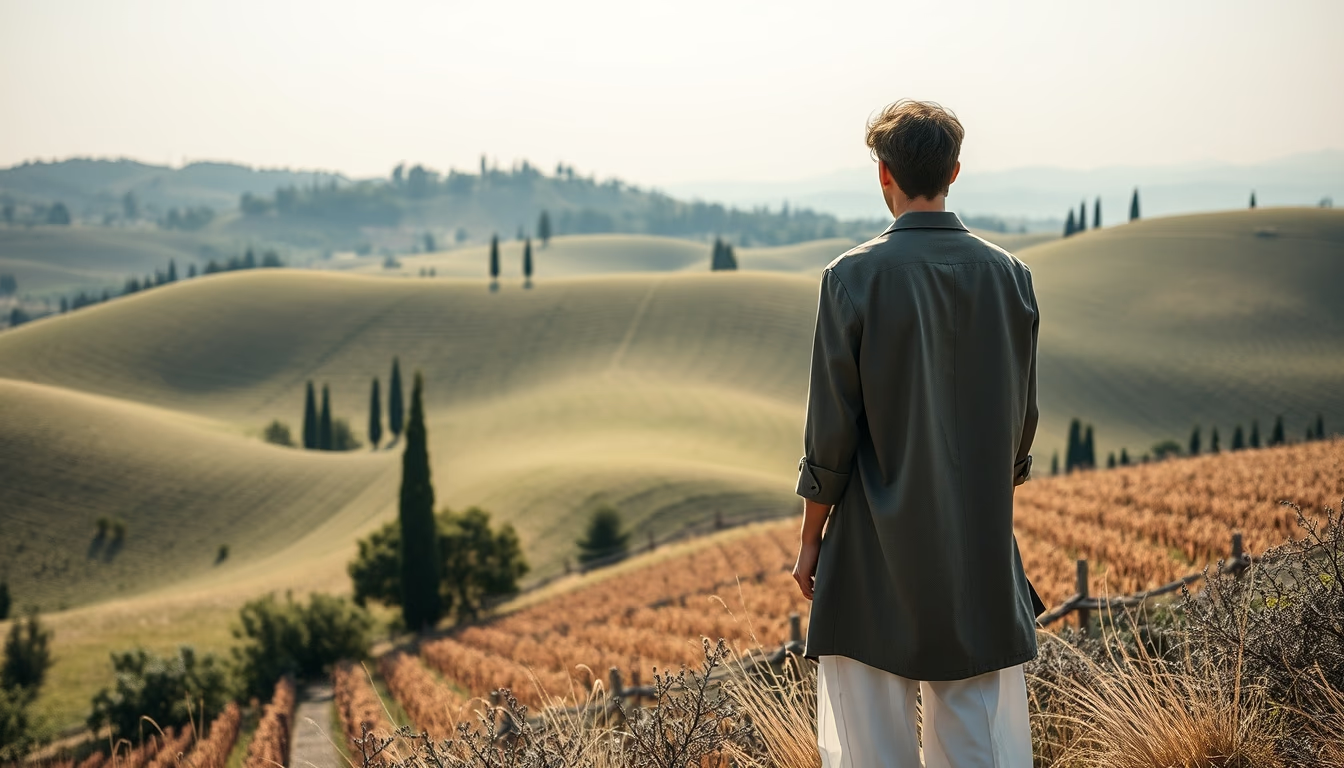
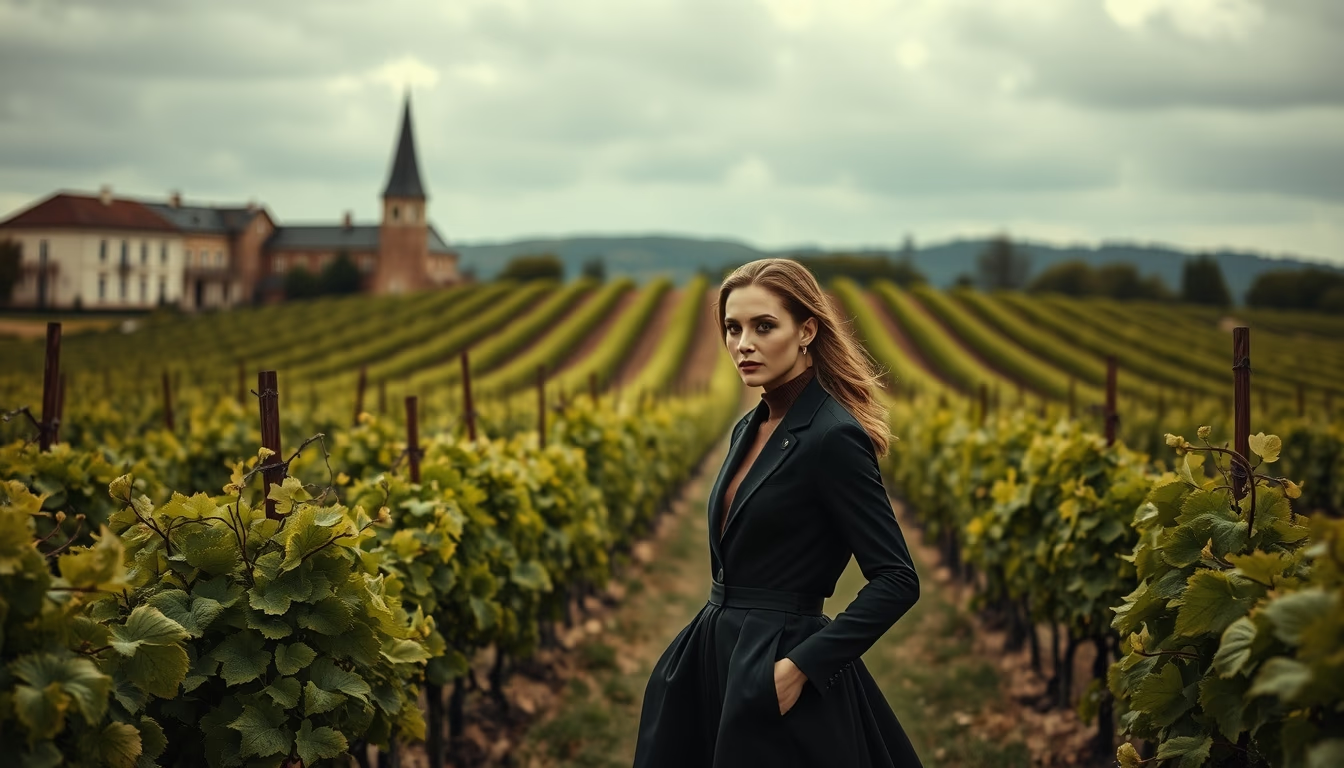
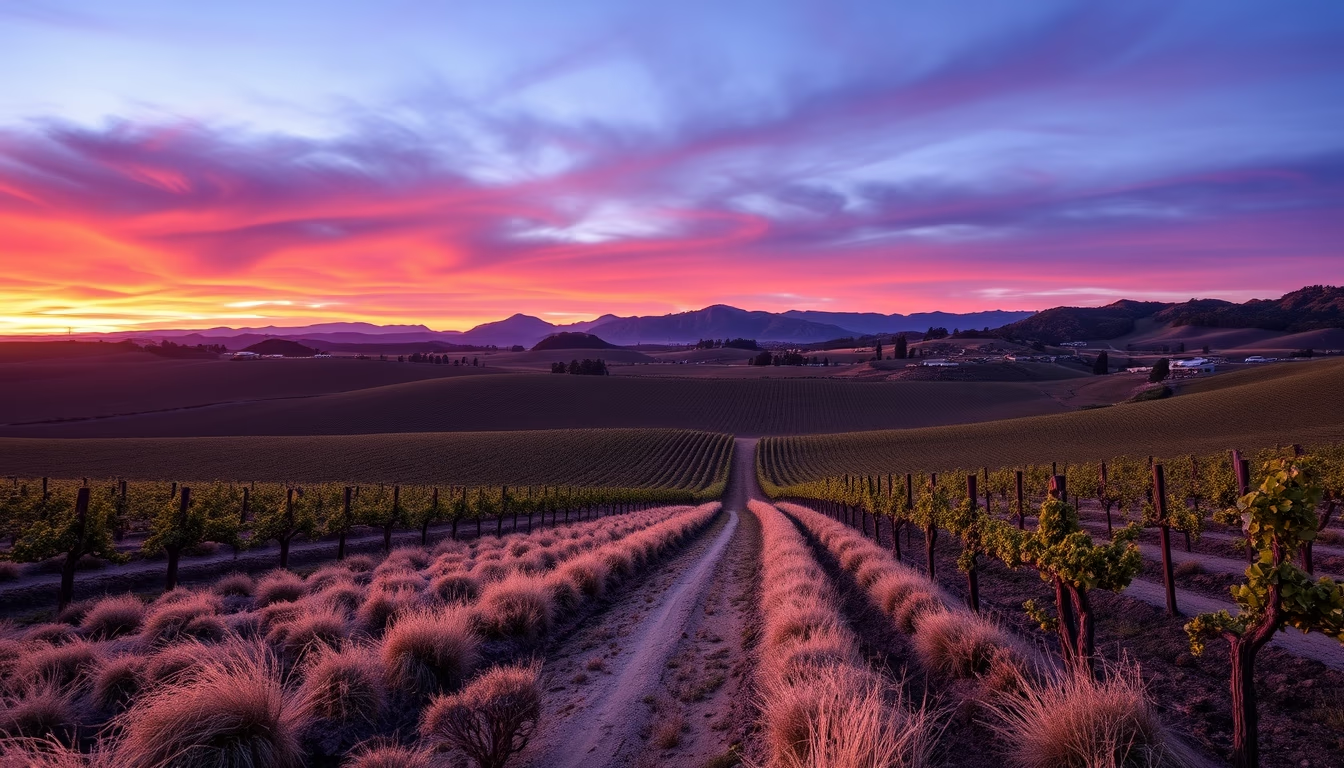
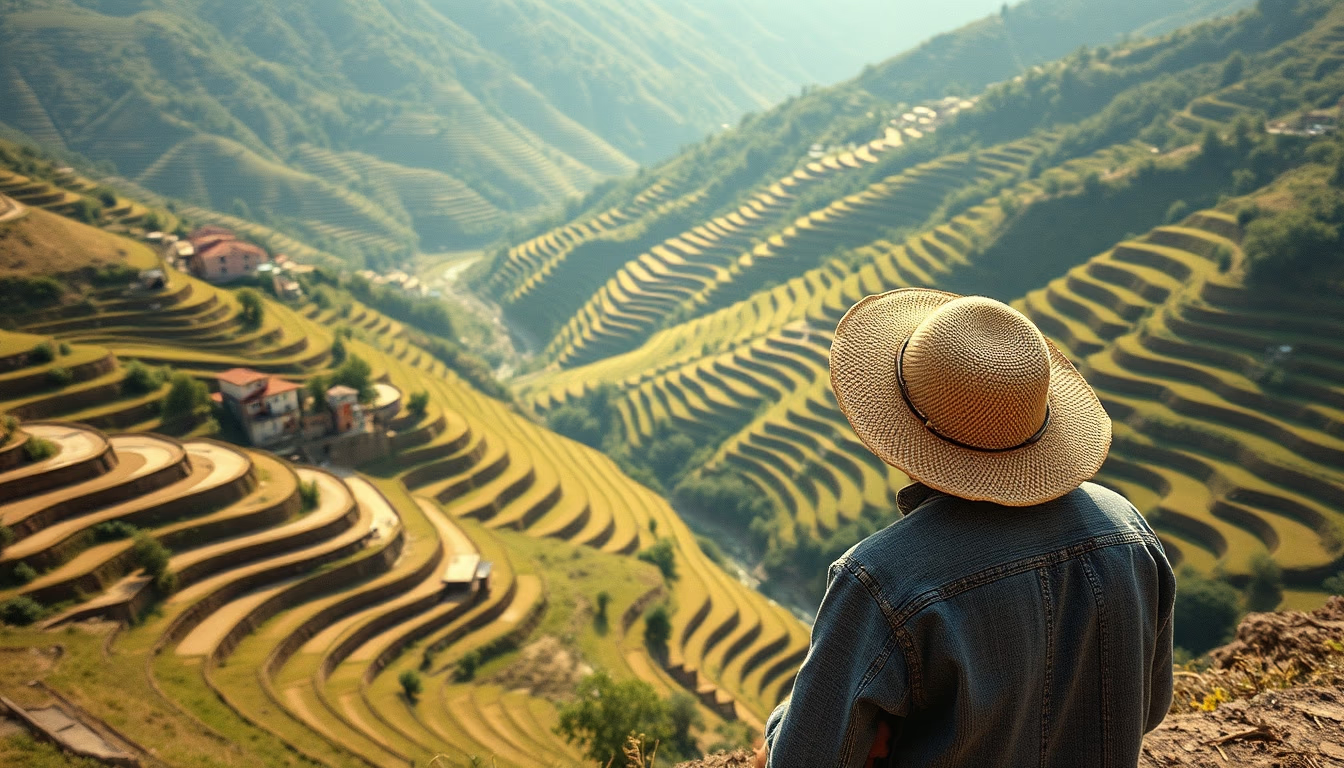
The Chianti hills in Tuscany are one of the world's most iconic wine regions, known for their rolling landscapes and production of the renowned Chianti wine.
About this subject
Located in central Italy, the Chianti region stretches between the provinces of Florence and Siena, covering an area of gentle hills and fertile valleys. Its clay and limestone soil, combined with a Mediterranean climate of hot summers and mild winters, creates ideal conditions for growing the Sangiovese grape, the primary variety used in Chianti wine production. The region's winemaking history dates back at least to the 13th century, when wine was already traded by Florentine merchants.
In 1716, the Grand Duke of Tuscany, Cosimo III de' Medici, issued an edict officially delimiting the Chianti production area, making it one of the first legally defined wine regions in the world. Today, the Chianti DOCG (Denominazione di Origine Controllata e Garantita) denomination encompasses several sub-regions, such as Chianti Classico, the historic core area. Vineyards are often terraced on slopes, and the landscapes are dotted with medieval villages, cypress trees, and olive groves.
Beyond wine, the region is rich in cultural and culinary heritage. Towns like Greve in Chianti, Radda, and Castellina offer local markets, extra virgin olive oil, and famous Tuscan cuisine. Chianti is a versatile wine, typically with notes of cherry, violet, and herbs, pairing well with pasta, grilled meats, and aged cheeses. The region attracts wine tourists from around the world, who travel the Chiantigiana Wine Road to taste vintages at historic wineries.
Interestingly, the Gallo Nero (Black Rooster) symbol is the trademark of the Chianti Classico Consortium, originating from a medieval legend about a rooster that helped define territorial borders. This tradition reflects local pride in the quality and authenticity of wines produced on the Chianti hills.
Frequently Asked Questions
What is the main grape used in Chianti wine?
The main grape is Sangiovese, which must constitute at least 80% of the blend for Chianti DOCG. For Chianti Classico, the minimum is 80% to 100%.
What does the designation Chianti Classico mean?
Chianti Classico is the historic core sub-region of Chianti, delimited since the 1716 edict. Its wines follow stricter production and aging rules and bear the Gallo Nero seal.
What is the best time to visit the Chianti hills?
Spring (April to June) and autumn (September to October) are ideal, with mild temperatures and colorful landscapes. Autumn coincides with the grape harvest and local festivals.
Direct URL
https://pub-c7d6a6ea828543ac903a74a341ccb2e1.r2.dev/imagens/tuscany-chianti-hills-minimalist-composition-fresh11.avifHow to credit
Include a visible link back to UtilizAí. Copy one of the snippets below:
<a href="https://xn--utiliza-eza.com/en/midia/imagens/tuscany-chianti-hills-minimalist-composition-fresh11">Tuscany chianti hills</a> by <a href="https://xn--utiliza-eza.com">UtilizAí</a>, licensed under <a href="https://creativecommons.org/licenses/by/4.0/">CC BY 4.0</a>.
[Tuscany chianti hills](https://xn--utiliza-eza.com/en/midia/imagens/tuscany-chianti-hills-minimalist-composition-fresh11) by [UtilizAí](https://xn--utiliza-eza.com), CC BY 4.0
License: CC-BY-4.0