Trumpet golden detail
1344×768 · AVIF · CC BY 4.0

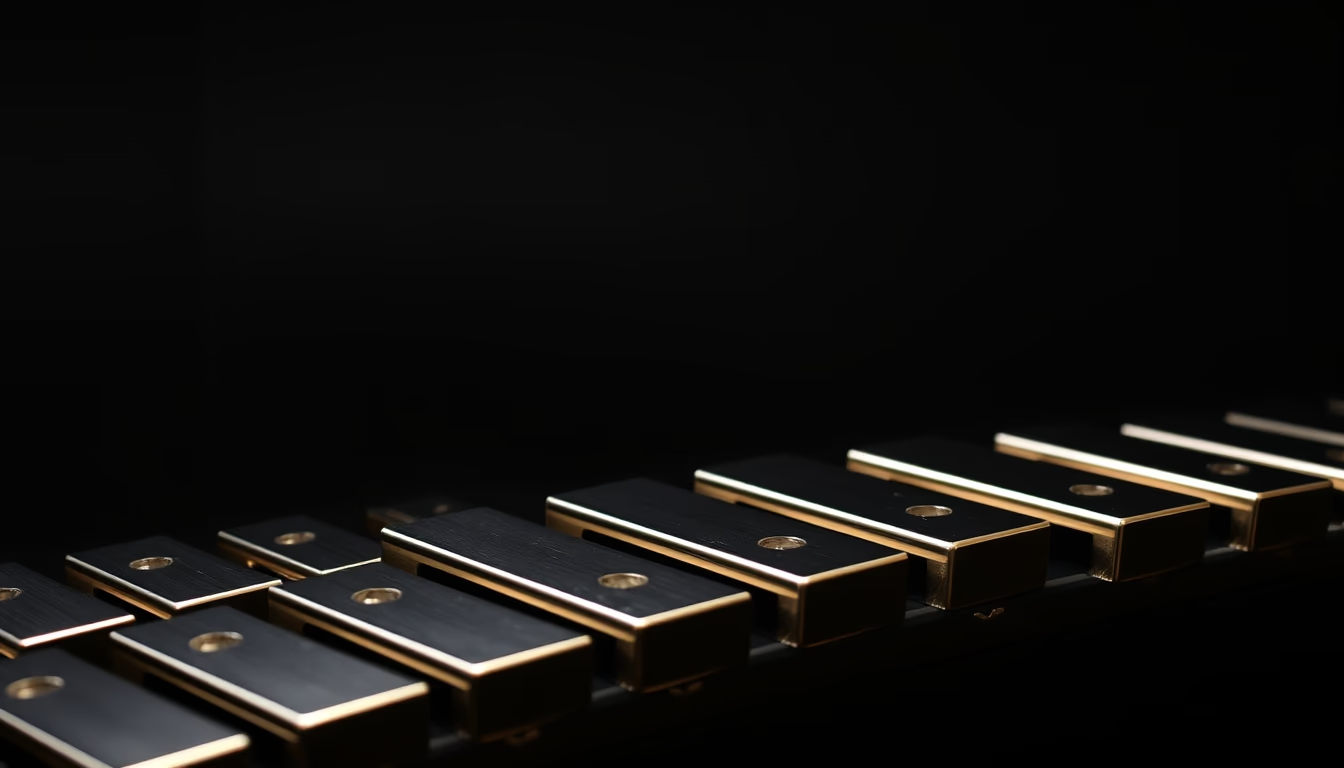
Golden details of a trumpet reveal the artisanal precision and sophisticated acoustics of this classic wind instrument.
About this subject
The trumpet is a brass wind instrument known for its bright, piercing sound. Its construction involves a cylindrical tube that flares into a bell, typically made of brass and often coated with a layer of gold or silver for protection and aesthetics. The golden detail, frequently found on valves, mouthpiece, or bell, not only adds elegance but can also influence the instrument's response and sound projection.
Historically, the modern trumpet evolved from natural trumpets used in ceremonies and military battles. The addition of pistons in the 19th century allowed for greater chromatic agility, solidifying its role in orchestras, jazz bands, and popular music. Legendary trumpeters like Louis Armstrong and Miles Davis popularized the instrument, each with a unique style exploring everything from expressive vibrato to muted, melancholy tones.
In artisanal manufacturing, the gilding process involves electroplating or a fine gold bath, increasing durability against corrosion and providing a smoother surface that reduces air flow resistance. This results in faster response and a slightly brighter timbre. High-end models from brands like Bach or Yamaha offer gold finishes coveted by professional musicians.
Interestingly, gold is not merely aesthetic: its weight and density affect the instrument's vibrations. Solid gold trumpets exist but are extremely rare and expensive; most instruments receive a thin layer (about 1 to 5 micrometers). Additionally, maintaining the golden luster requires careful cleaning with special cloths, as abrasive products can strip the coating.
Frequently Asked Questions
Why do some trumpets have a gold finish?
Gold finish offers corrosion protection, improves acoustic response by reducing air resistance, and provides a sophisticated look. The gold layer is thin (about 1 to 5 micrometers) and does not drastically alter the sound, but gives a slightly brighter timbre.
What is the difference between a brass trumpet and a gold-plated trumpet?
The main difference is the coating: a brass trumpet has a natural finish (lacquer or varnish), while a gold-plated one receives a layer of gold via electroplating. Gold is more resistant to oxidation and provides a smoother surface, which can improve instrument response.
How to care for a trumpet with gold details?
Avoid abrasive products or solvents. Use a soft, dry cloth to remove fingerprints and dirt. For deep cleaning, use specific precious metal cleaners, always following the manufacturer's instructions. Store in a proper case to prevent scratches.
Direct URL
https://pub-c7d6a6ea828543ac903a74a341ccb2e1.r2.dev/imagens/trumpet-golden-detail-long-exposure-p7.avifHow to credit
Include a visible link back to UtilizAí. Copy one of the snippets below:
<a href="https://xn--utiliza-eza.com/en/midia/imagens/trumpet-golden-detail-long-exposure-p7">Trumpet golden detail</a> by <a href="https://xn--utiliza-eza.com">UtilizAí</a>, licensed under <a href="https://creativecommons.org/licenses/by/4.0/">CC BY 4.0</a>.
[Trumpet golden detail](https://xn--utiliza-eza.com/en/midia/imagens/trumpet-golden-detail-long-exposure-p7) by [UtilizAí](https://xn--utiliza-eza.com), CC BY 4.0
License: CC-BY-4.0