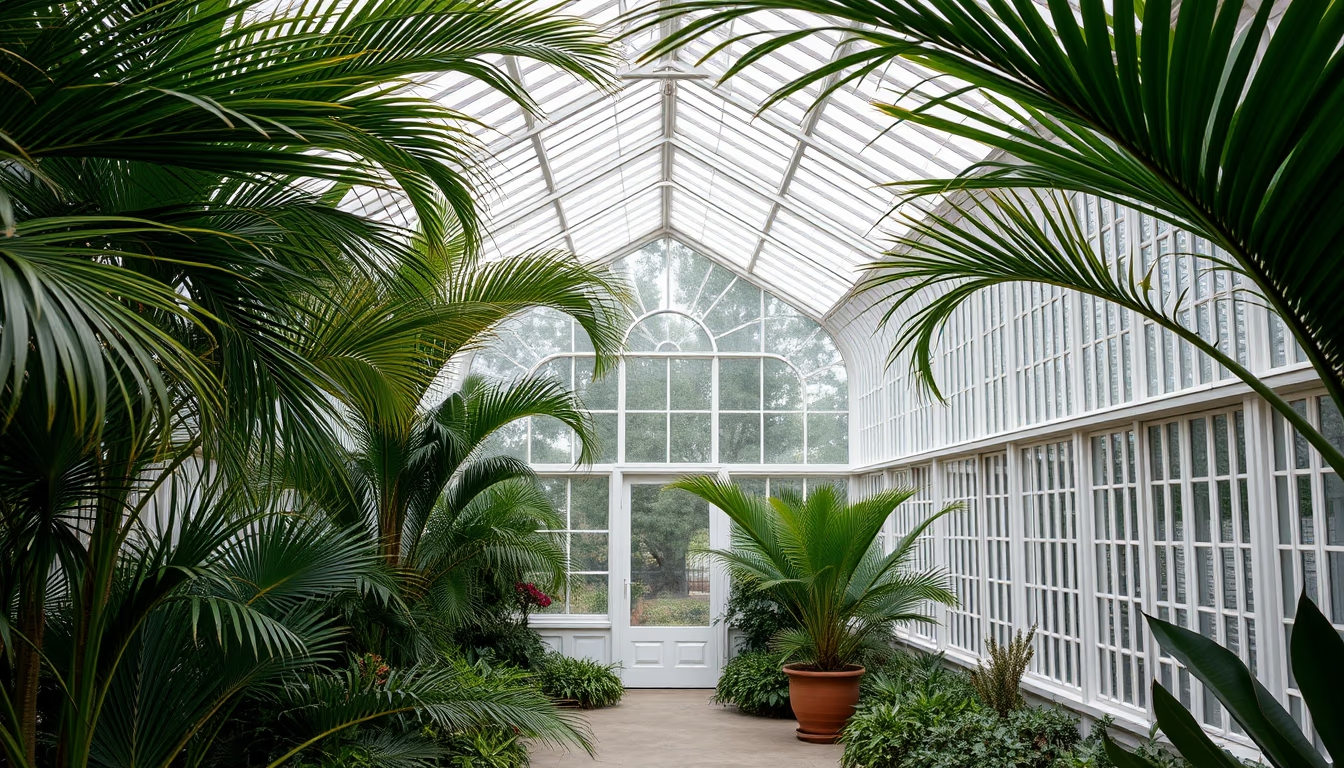
Tropical greenhouse misty
1344×768 · AVIF · CC BY 4.0
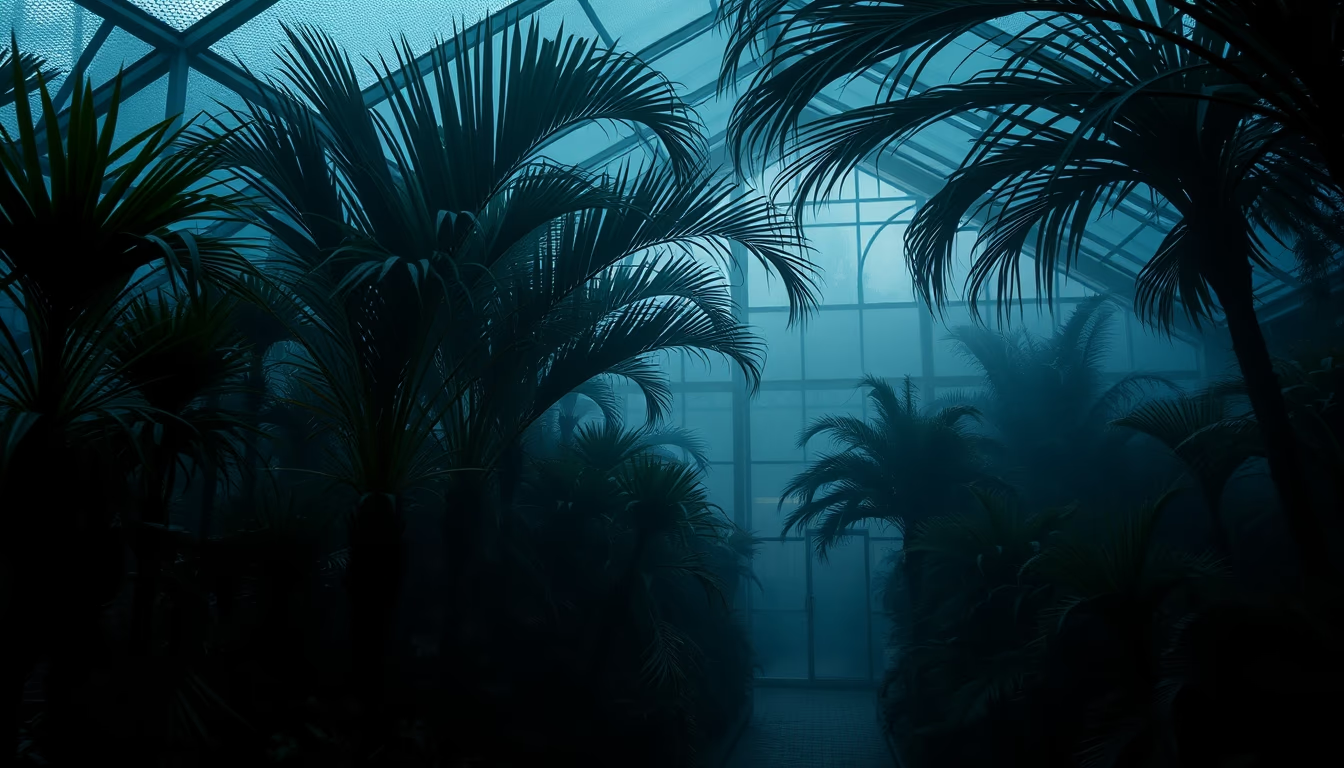
Tropical greenhouses with misting systems maintain high humidity for orchids, ferns, and bromeliads, essential for their cultivation.
About this subject
Tropical greenhouses are controlled structures that replicate the humid and warm climate of rainforests. The use of misting systems is crucial to maintain relative humidity between 70% and 90%, ideal for epiphytic plants such as orchids (Orchidaceae) and bromeliads (Bromeliaceae), which absorb water and nutrients through their leaves. These micro-sprinkler irrigation systems operate in short cycles, typically 5 to 15 seconds every 10 to 20 minutes, preventing waterlogging and fungal diseases.
The misting technique in greenhouses emerged in Europe in the 19th century but was refined with humidity sensors and digital timers. In Brazil, the country with the highest diversity of orchids in the world (about 2,500 species), tropical greenhouses are common in botanical gardens and commercial nurseries, especially in the Southeast region. The Rio de Janeiro Botanical Garden, for instance, has a tropical greenhouse with over 600 species, where artificial mist recreates the Atlantic Forest microclimate.
Interestingly, mist not only hydrates plants but also reduces internal temperatures by up to 5°C on hot days. Additionally, many systems use deionized water to avoid mineral deposits on leaves. Proper maintenance of mist nozzles prevents clogging from algae and minerals, ensuring uniform spray coverage. In commercial greenhouses, automation controls window vents and fans to balance temperature and humidity, optimizing vegetative growth.
Frequently Asked Questions
Why is misting important in tropical greenhouses?
Misting maintains high humidity (70-90%), crucial for epiphytic plants like orchids and bromeliads that absorb water through leaves. It also lowers internal temperature and prevents water stress.
Which plants benefit most from misted environments?
Orchids, ferns, bromeliads, and mosses are examples. Many understory tropical species rely on high humidity for photosynthesis and growth.
How does an automatic misting system work?
Humidity sensors and timers control valves that release pressurized water through special nozzles, creating fine droplets. Short, frequent cycles prevent overwatering.
Direct URL
https://pub-c7d6a6ea828543ac903a74a341ccb2e1.r2.dev/imagens/tropical-greenhouse-misty-rembrandt-lighting-dramatic-shadows-fresh14.avifHow to credit
Include a visible link back to UtilizAí. Copy one of the snippets below:
<a href="https://xn--utiliza-eza.com/en/midia/imagens/tropical-greenhouse-misty-rembrandt-lighting-dramatic-shadows-fresh14">Tropical greenhouse misty</a> by <a href="https://xn--utiliza-eza.com">UtilizAí</a>, licensed under <a href="https://creativecommons.org/licenses/by/4.0/">CC BY 4.0</a>.
[Tropical greenhouse misty](https://xn--utiliza-eza.com/en/midia/imagens/tropical-greenhouse-misty-rembrandt-lighting-dramatic-shadows-fresh14) by [UtilizAí](https://xn--utiliza-eza.com), CC BY 4.0
License: CC-BY-4.0