Tropical greenhouse misty
1344×768 · AVIF · CC BY 4.0
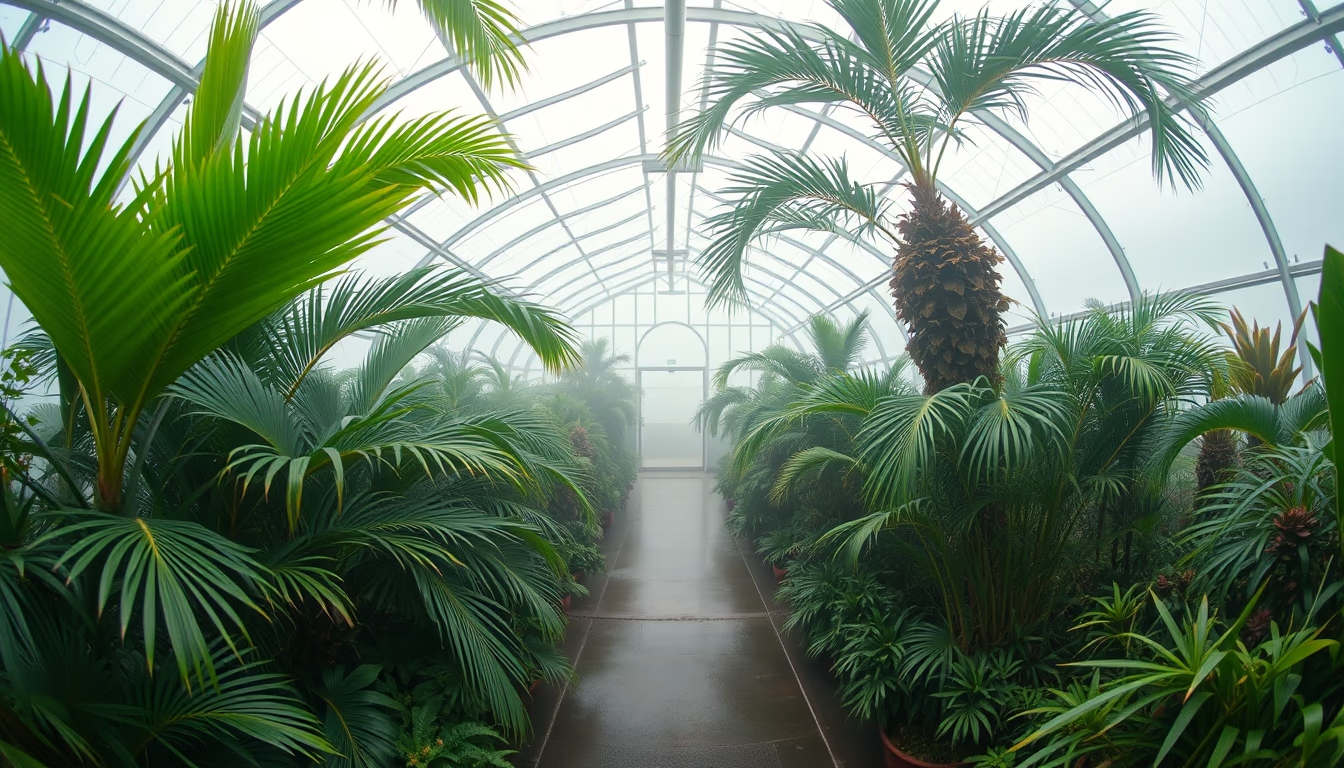
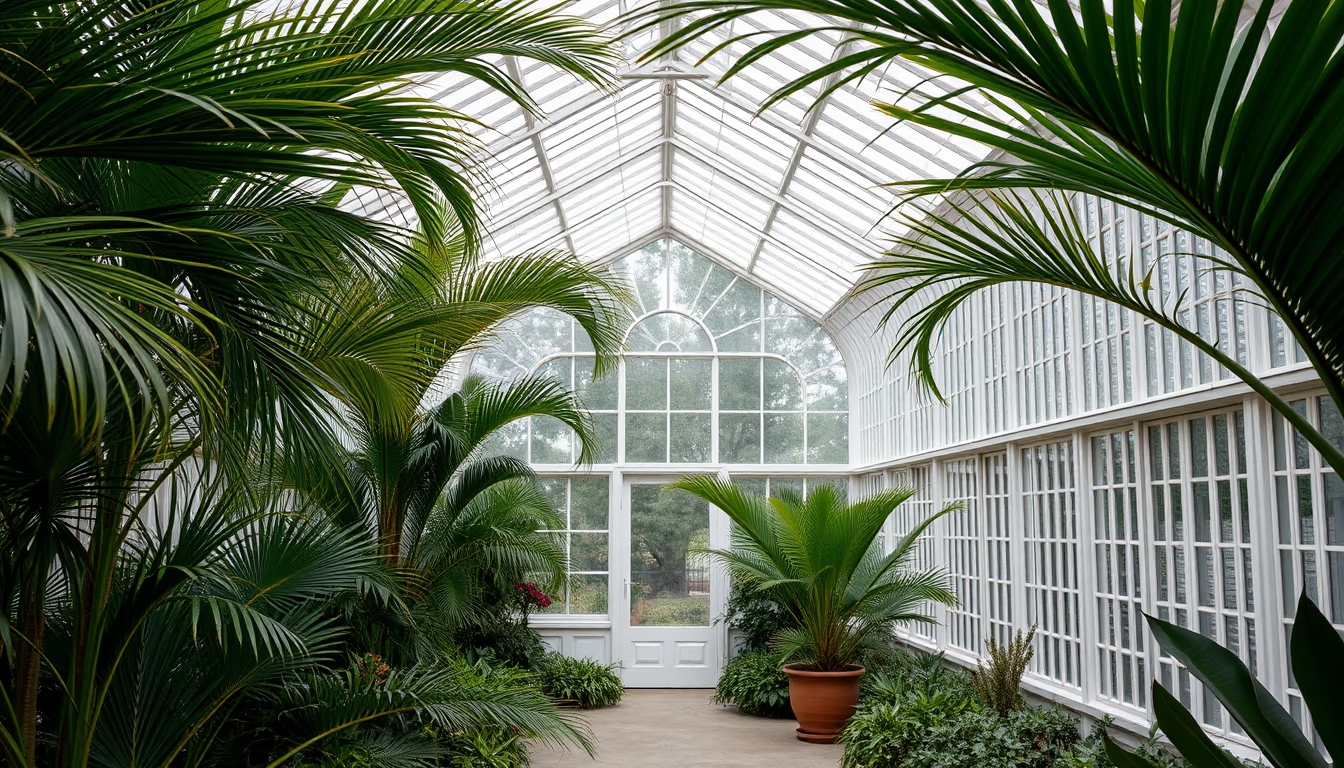
A tropical greenhouse under artificial mist: how the misting system maintains optimal humidity for exotic plants in protected cultivation.
About this subject
Tropical greenhouses are enclosed structures that recreate the hot, humid climate of equatorial regions, enabling the cultivation of exotic plants in temperate or arid biomes. The key feature is the misting system, which injects fine water droplets into the air, raising relative humidity to levels between 70% and 90%. This is essential for species like orchids, ferns, bromeliads, mosses, and carnivorous plants, which depend on high humidity for photosynthesis and reproduction. The mist also lowers internal temperature by 5 to 10 °C, preventing heat stress on hot days.
Misting systems can be high pressure (above 70 bar) or low pressure, with special nozzles that atomize the water. In large botanical garden greenhouses, automatic control via humidity and temperature sensors ensures regular mist cycles, mimicking the morning dew of tropical forests. Notable examples in Brazil include the Orchidarium of the Rio de Janeiro Botanical Garden and the Greenhouse of the City Park in São Paulo, which house scientific collections and attract visitors interested in biodiversity.
Beyond the technical aspect, tropical greenhouses have educational and conservation importance. They allow the study of species threatened by predatory exploitation and habitat loss, such as certain palms and bromeliads from the Atlantic Forest. The structure typically features glass or polycarbonate roofing for diffuse light entry, along with ventilation systems to prevent overheating. Constant mist also requires careful management of fungi and pests, often using fans and protective screens.
Curiosity: some modern tropical greenhouses use recycled water and solar panels to pump and heat the water, making the system more sustainable. The visual effect of mist combined with filtered light creates an environment reminiscent of a cloud forest interior, making it one of the most photographed spaces in botanical parks.
Frequently Asked Questions
Why is misting important in tropical greenhouses?
Misting maintains relative humidity between 70% and 90%, crucial for tropical plants that cannot tolerate dry air. It also lowers internal temperature and mimics forest morning dew.
What plants are common in tropical greenhouses?
Orchids, ferns, bromeliads, mosses, carnivorous plants, and exotic palms. Many are threatened species that depend on protected cultivation for conservation.
How does a misting system work?
Pressurized water (high or low pressure) passes through special nozzles that atomize it into microscopic droplets. Automatic sensors trigger regular cycles to maintain optimal humidity.
Direct URL
https://pub-c7d6a6ea828543ac903a74a341ccb2e1.r2.dev/imagens/tropical-greenhouse-misty-fish-eye-wide-angle-fresh12.avifHow to credit
Include a visible link back to UtilizAí. Copy one of the snippets below:
<a href="https://xn--utiliza-eza.com/en/midia/imagens/tropical-greenhouse-misty-fish-eye-wide-angle-fresh12">Tropical greenhouse misty</a> by <a href="https://xn--utiliza-eza.com">UtilizAí</a>, licensed under <a href="https://creativecommons.org/licenses/by/4.0/">CC BY 4.0</a>.
[Tropical greenhouse misty](https://xn--utiliza-eza.com/en/midia/imagens/tropical-greenhouse-misty-fish-eye-wide-angle-fresh12) by [UtilizAí](https://xn--utiliza-eza.com), CC BY 4.0
License: CC-BY-4.0