Tropical greenhouse misty
1344×768 · AVIF · CC BY 4.0
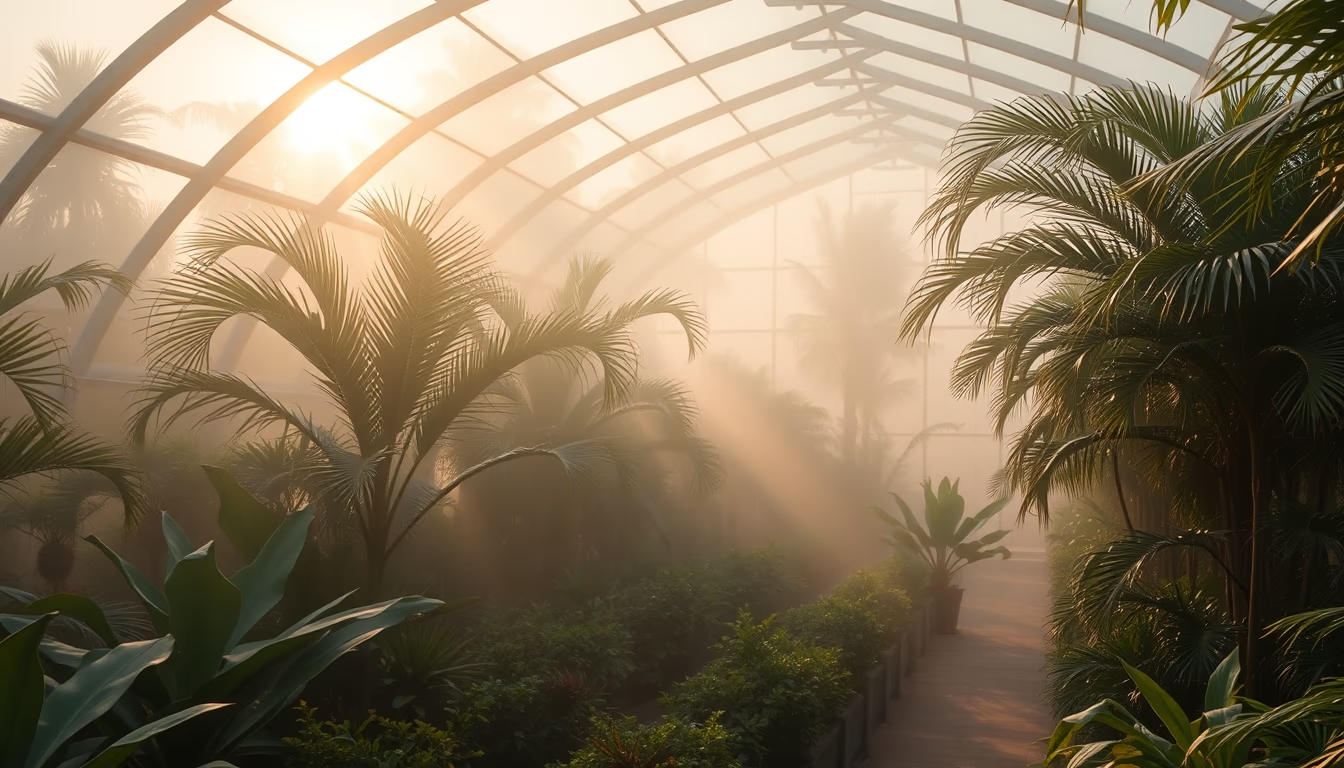
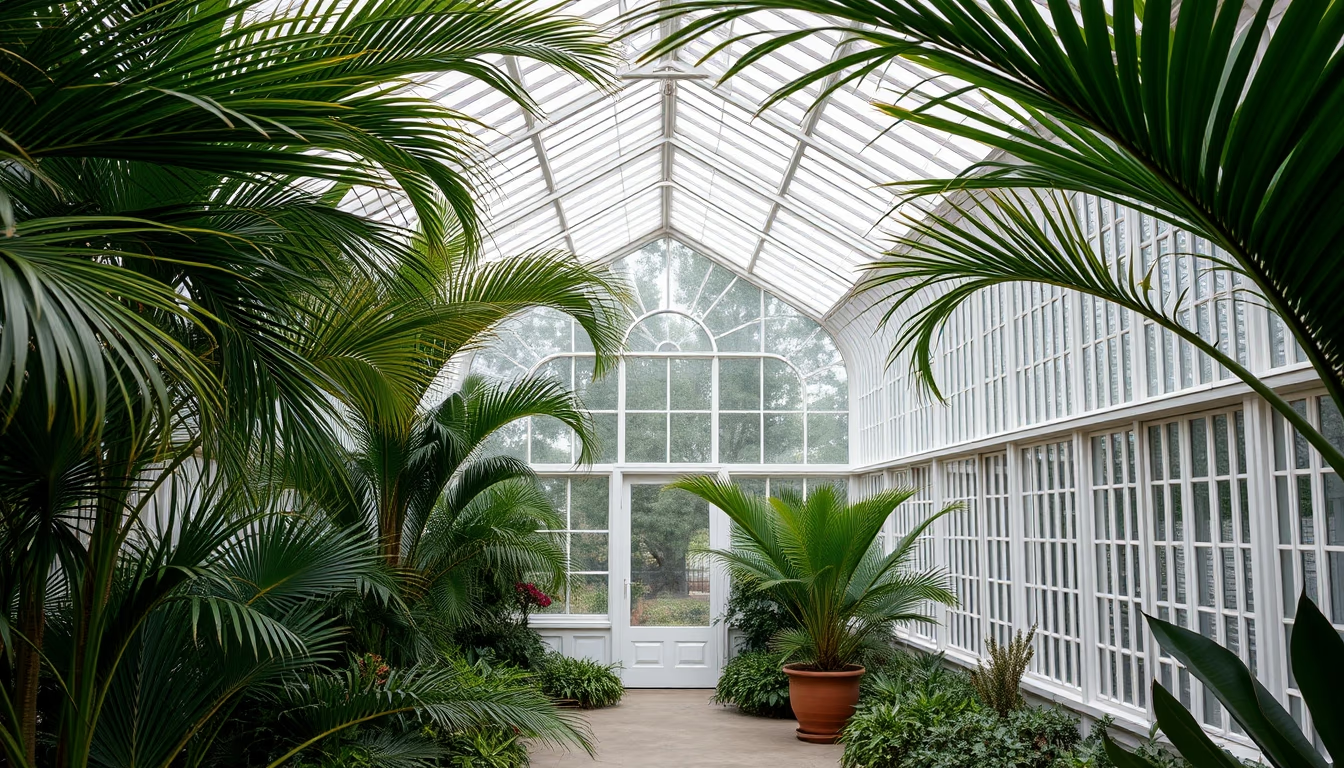
Tropical greenhouses with misting systems create ideal microclimates for exotic plant cultivation, combining agricultural technology and controlled ecosystems.
About this subject
Tropical greenhouses are enclosed structures designed to recreate the humid and warm conditions of equatorial regions. Unlike standard greenhouses, they feature misting systems that maintain relative humidity above 80%, essential for orchids, ferns, and bromeliads. This controlled environment allows cultivation of endangered species and study of medicinal plants, such as Uncaria tomentosa (cat's claw).
High-pressure misters, combined with temperature and humidity sensors, ensure plants receive precise water amounts without soil waterlogging. This technique reduces water consumption by up to 60% compared to traditional irrigation, while preventing fungi and pests that thrive in poorly ventilated areas. In botanical gardens like Rio de Janeiro's, tropical greenhouses house collections of palms and giant water lilies.
Maintenance requires extra care: glass or polycarbonate panels need regular cleaning to avoid blocking sunlight, and mister nozzles must be descaled. Many modern greenhouses use solar panels to power systems, becoming self-sufficient. Brazil, with its vast biodiversity, has tropical greenhouses in universities and research centers, such as Esalq/USP, which develops cultivars adapted to local climates.
Culturally, tropical greenhouses also serve as educational spaces where visitors learn about conservation importance. Butterfly exhibits or carnivorous plant displays are common, blending leisure and science. The constant mist, besides being beneficial, creates a cinematic visual effect popular in films and series depicting rainforests.
Frequently Asked Questions
Which plants are most common in tropical greenhouses?
Orchids, ferns, bromeliads, exotic palms, and carnivorous plants are typical. Medicinal species like cat's claw are also grown.
How does a misting system work in a tropical greenhouse?
High-pressure nozzles spray water into fine particles, raising humidity. Sensors control the frequency to maintain the ideal level.
What is the advantage of using tropical greenhouses for species conservation?
They allow recreating specific habitats, protecting endangered plants and enabling research on reproduction and adaptation.
Direct URL
https://pub-c7d6a6ea828543ac903a74a341ccb2e1.r2.dev/imagens/tropical-greenhouse-misty-cinematic-wide-shot-fresh16.avifHow to credit
Include a visible link back to UtilizAí. Copy one of the snippets below:
<a href="https://xn--utiliza-eza.com/en/midia/imagens/tropical-greenhouse-misty-cinematic-wide-shot-fresh16">Tropical greenhouse misty</a> by <a href="https://xn--utiliza-eza.com">UtilizAí</a>, licensed under <a href="https://creativecommons.org/licenses/by/4.0/">CC BY 4.0</a>.
[Tropical greenhouse misty](https://xn--utiliza-eza.com/en/midia/imagens/tropical-greenhouse-misty-cinematic-wide-shot-fresh16) by [UtilizAí](https://xn--utiliza-eza.com), CC BY 4.0
License: CC-BY-4.0