Tropical beach paradise crystal clear water and palm trees
1344×768 · AVIF · CC BY 4.0
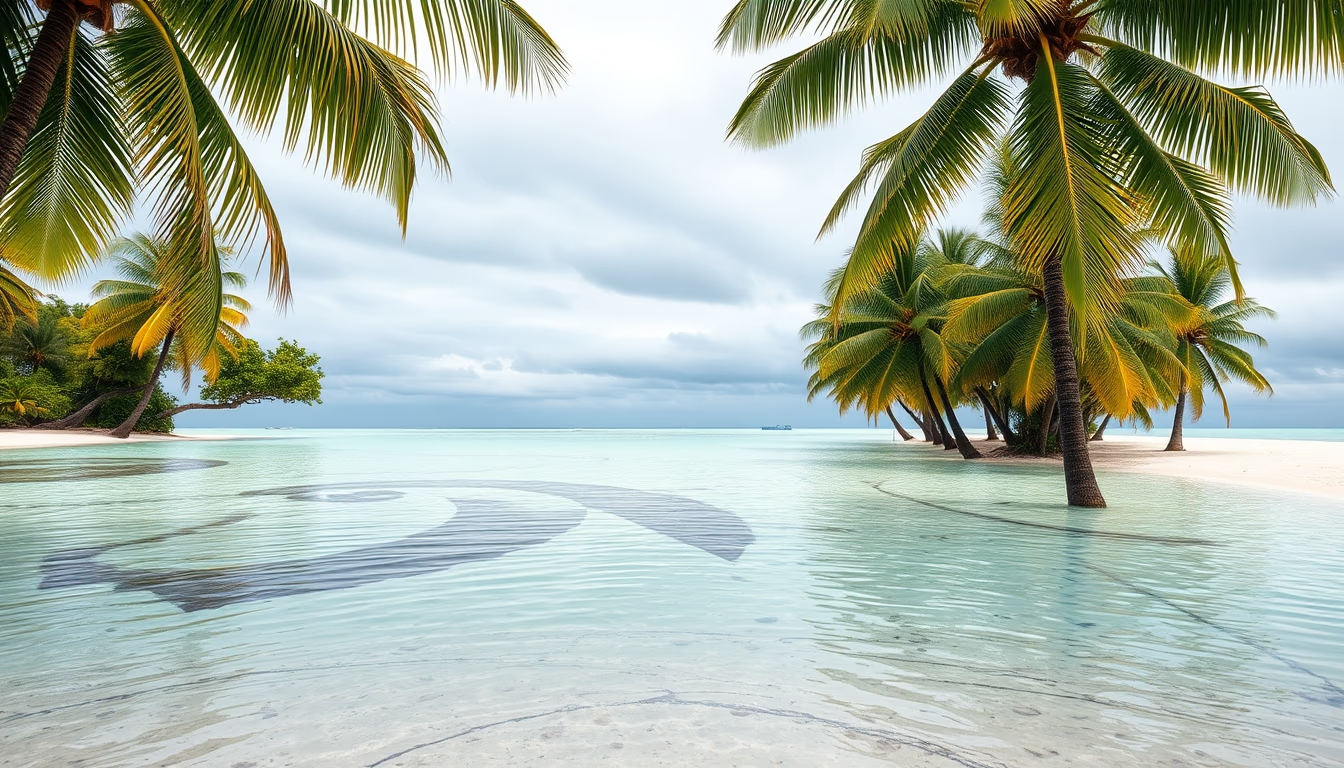
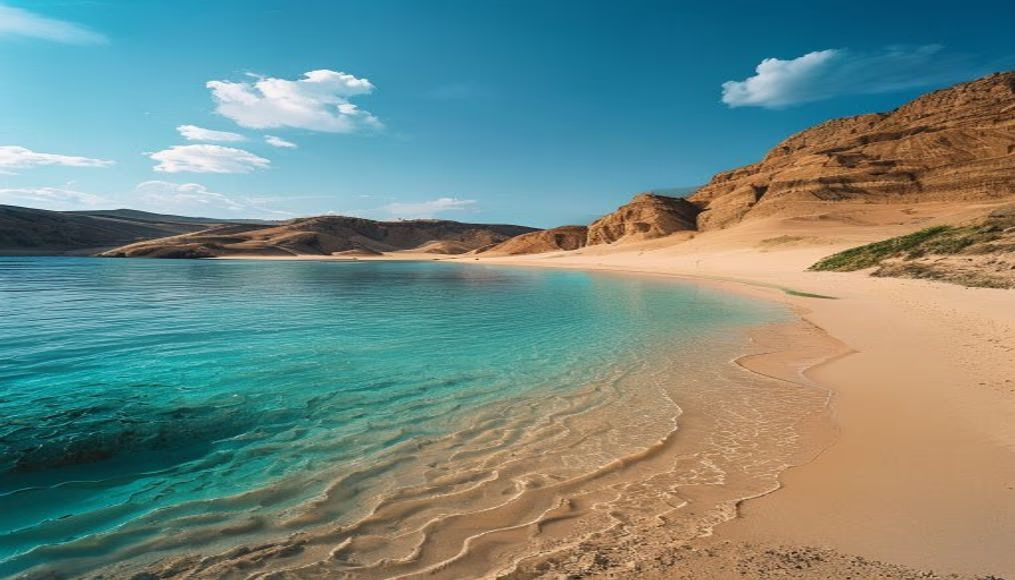
Brazilian tropical beach with crystal clear waters and palm trees, an ecotourism destination blending natural beauty and environmental preservation.
About this subject
Brazil boasts over 7,000 kilometers of coastline, home to some of the world's most stunning beaches. Beaches like Fernando de Noronha in Pernambuco or Praia do Sancho, often voted the best on the planet, exemplify the scene depicted: white sands, turquoise waters, and coconut palms leaning over the shore. These landscapes result from ancient geological formations and ocean currents that keep the water clear.
The restinga vegetation and coconut groves are typical of the northeastern coast, where the humid tropical climate allows lush plant growth. Palm trees, especially the coconut palm (Cocos nucifera), were introduced by the Portuguese and adapted perfectly, becoming icons of the Brazilian coastline. Beyond beauty, they play an ecological role, hosting birds and protecting the soil from erosion.
Ecotourism in these regions is a vital economic activity but requires care. Conservation units like the Fernando de Noronha Marine National Park limit visitor numbers and charge preservation fees. Practices such as avoiding common sunscreen (which pollutes the water) and respecting local wildlife are encouraged. Sustainable tourism ensures future generations can enjoy these landscapes.
Interestingly, the crystal-clear water color is associated with low sediment and plankton concentration, common in areas with coral reefs or quartz sand bottoms. In Brazil, spots like Praia do Espelho (Bahia) and Praia de Carneiros (Pernambuco) are perfect examples of this phenomenon, attracting divers and photographers from around the world.
Frequently Asked Questions
What is the best time to visit tropical beaches in Brazil?
The best time varies by region, but generally between September and March, when the weather is drier and sunny. In the Northeast, for instance, August to December offers calmer waters and less rain.
Why is the water so crystal clear at some Brazilian beaches?
This is due to low sediment suspension and the presence of coral reefs or quartz sand bottoms, which reflect light and give the turquoise hue. Examples include Fernando de Noronha and Praia do Espelho.
What precautions should I take when visiting preserved beaches?
Use biodegradable sunscreen to avoid harming marine life, do not collect shells or corals, respect protected areas, and avoid feeding wild animals. Many beaches require booking and a preservation fee.
Direct URL
https://pub-c7d6a6ea828543ac903a74a341ccb2e1.r2.dev/imagens/tropical-beach-paradise-crystal-clear-water-and-palm-trees-symmetric-composition-overcast-soft-daylight.avifHow to credit
Include a visible link back to UtilizAí. Copy one of the snippets below:
<a href="https://xn--utiliza-eza.com/en/midia/imagens/tropical-beach-paradise-crystal-clear-water-and-palm-trees-symmetric-composition-overcast-soft-daylight">Tropical beach paradise crystal clear water and palm trees</a> by <a href="https://xn--utiliza-eza.com">UtilizAí</a>, licensed under <a href="https://creativecommons.org/licenses/by/4.0/">CC BY 4.0</a>.
[Tropical beach paradise crystal clear water and palm trees](https://xn--utiliza-eza.com/en/midia/imagens/tropical-beach-paradise-crystal-clear-water-and-palm-trees-symmetric-composition-overcast-soft-daylight) by [UtilizAí](https://xn--utiliza-eza.com), CC BY 4.0
License: CC-BY-4.0