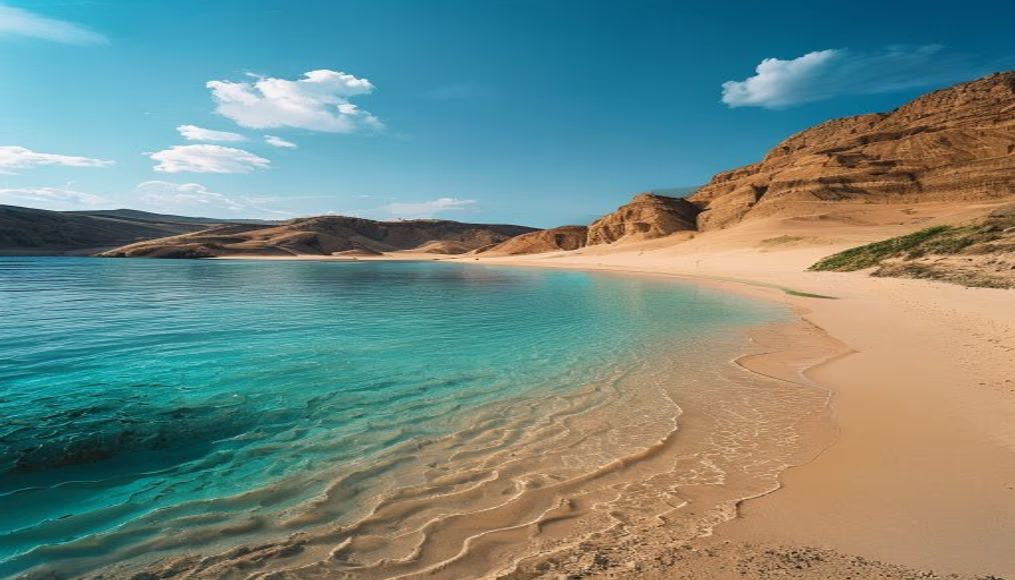
Tropical beach paradise crystal clear water and palm trees
1344×768 · AVIF · CC BY 4.0
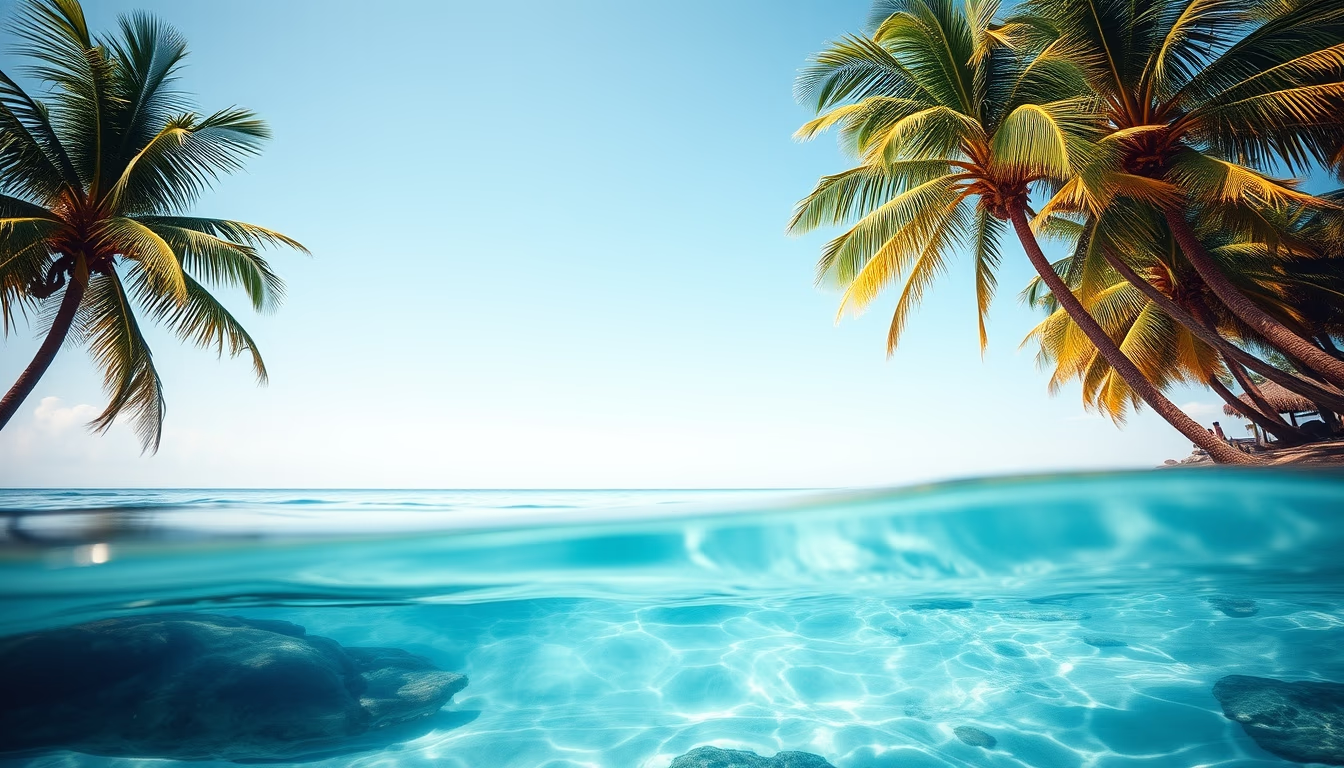
Tropical beaches with crystal clear water and palm trees are coastal ecosystems that support biodiversity and tourism in regions like the Caribbean, Southeast Asia, and Northeast Brazil.
About this subject
Tropical beaches with crystal clear water and palm trees are found in equatorial and tropical regions such as the Caribbean, Southeast Asia, and Northeast Brazil. These coastal environments are formed by calcium carbonate sediments from the erosion of coral reefs and shells, giving the sand a fine white color. The crystal clear water is characteristic of areas with low sedimentation and pollution, allowing high sunlight penetration essential for coral and algae growth. Palm trees, such as the coconut palm (Cocos nucifera), are adapted to sandy and saline soils, with roots that help stabilize the sand and provide shade for local fauna. The average water temperature on these beaches ranges from 25°C to 30°C throughout the year, attracting tourists seeking leisure and water sports. In Brazil, beaches like Porto de Galinhas (PE) and Maragogi (AL) exemplify this scenery, with natural pools formed by reefs. Preserving these ecosystems is crucial as they harbor endangered species such as sea turtles and coastal birds. Sustainable tourism practices, including litter collection and use of biodegradable sunscreens, help minimize human impact. The combination of scenic beauty and ecological richness makes these beaches iconic destinations for travelers and researchers.
Frequently Asked Questions
Why is the water in tropical beaches so crystal clear?
Crystal clear water results from low sedimentation and pollution, along with coral reefs that filter particles. The white calcium carbonate sand also reflects light, enhancing transparency.
What palm trees are common on tropical beaches?
The coconut palm (Cocos nucifera) is the most common, adapted to sandy and saline soils. Other species include the royal palm (Roystonea oleracea) and the juçara palm (Euterpe edulis) in restinga areas.
How does tourism affect these ecosystems?
Tourism can cause erosion, pollution, and wildlife disturbance. Sustainable practices, such as using biodegradable sunscreens and litter collection, help mitigate impacts.
Direct URL
https://pub-c7d6a6ea828543ac903a74a341ccb2e1.r2.dev/imagens/tropical-beach-paradise-crystal-clear-water-and-palm-trees-documentary-photography-morning-natural-light.avifHow to credit
Include a visible link back to UtilizAí. Copy one of the snippets below:
<a href="https://xn--utiliza-eza.com/en/midia/imagens/tropical-beach-paradise-crystal-clear-water-and-palm-trees-documentary-photography-morning-natural-light">Tropical beach paradise crystal clear water and palm trees</a> by <a href="https://xn--utiliza-eza.com">UtilizAí</a>, licensed under <a href="https://creativecommons.org/licenses/by/4.0/">CC BY 4.0</a>.
[Tropical beach paradise crystal clear water and palm trees](https://xn--utiliza-eza.com/en/midia/imagens/tropical-beach-paradise-crystal-clear-water-and-palm-trees-documentary-photography-morning-natural-light) by [UtilizAí](https://xn--utiliza-eza.com), CC BY 4.0
License: CC-BY-4.0