Tropical beach paradise crystal clear water and palm trees
1344×768 · AVIF · CC BY 4.0
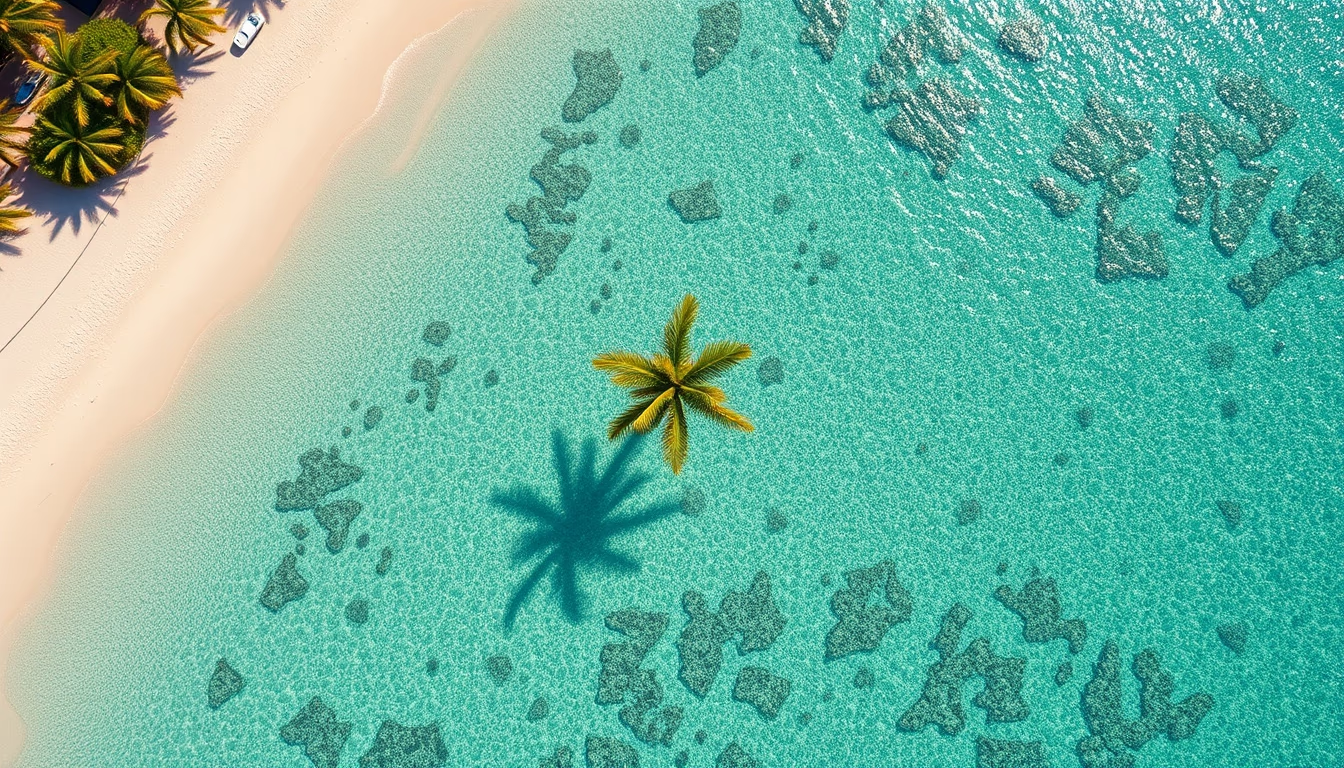
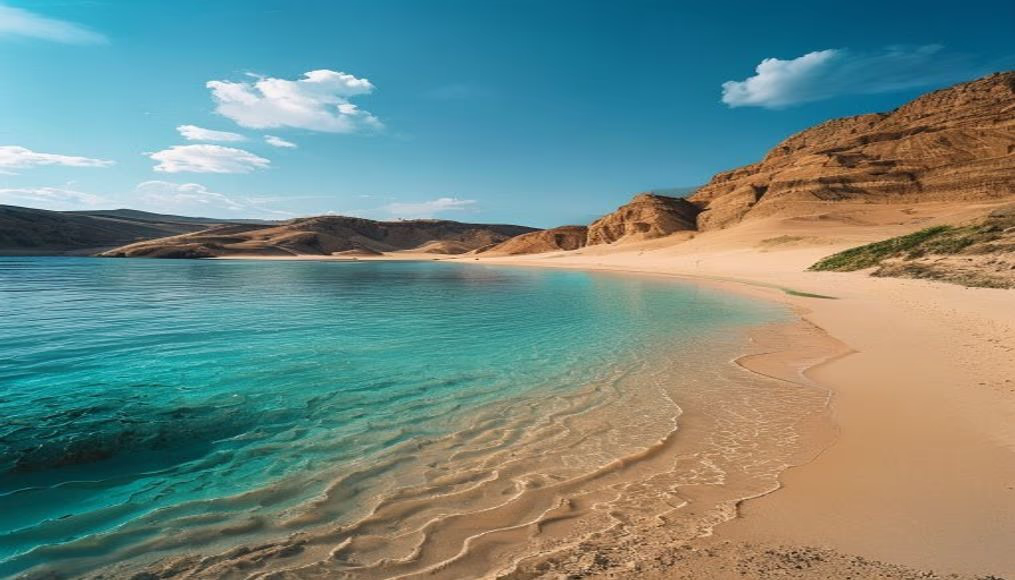
Tropical beaches with crystal-clear waters and palm trees are postcards of the Brazilian coast, especially in the Northeast, where climate and geography create paradisiacal settings.
About this subject
Brazil has over 7,400 km of coastline, hosting some of the world's most famous beaches. Beaches like Porto de Galinhas (PE), Jericoacoara (CE), and Fernando de Noronha (PE) are classic examples of crystal-clear waters and coconut groves. Water transparency results from low suspended sediment levels, common in areas with coral reefs or calcareous sand. Palm trees, especially the coconut palm (Cocos nucifera), were introduced to Brazil by the Portuguese in the 16th century and adapted perfectly to the coast, becoming a symbol of tropical paradise. Beyond scenic beauty, these beaches support rich ecosystems like coral reefs, home to thousands of marine species. Tourism in these regions drives local economies, with activities such as diving, snorkeling, and raft rides. Environmental preservation is crucial: deforestation of restinga vegetation and solid waste pollution threaten these ecosystems. Initiatives like Projeto Tamar and conservation units help protect coastal biodiversity.
Frequently Asked Questions
What is the best time to visit tropical beaches in Brazil?
The best time varies by region. In the Northeast, from August to December there is less rain and calmer seas. In the Southeast, between April and October the weather is milder. Avoid long holidays to escape crowds.
Why is the water so clear at some beaches?
Water clarity occurs due to low amounts of suspended sediments. This is common in beaches with coral reefs, which filter particles, or sand composed of calcium carbonate, which settles quickly.
Are the palm trees on Brazilian beaches native?
The coconut palm (Cocos nucifera) is not native to Brazil. It was brought by the Portuguese from Africa or Asia during the colonial period. The oil palm (Elaeis guineensis) is also African. Native palms include buriti and açaí, more common in flooded areas.
Direct URL
https://pub-c7d6a6ea828543ac903a74a341ccb2e1.r2.dev/imagens/tropical-beach-paradise-crystal-clear-water-and-palm-trees-aerial-drone-shot-studio-professional-lighting.avifHow to credit
Include a visible link back to UtilizAí. Copy one of the snippets below:
<a href="https://xn--utiliza-eza.com/en/midia/imagens/tropical-beach-paradise-crystal-clear-water-and-palm-trees-aerial-drone-shot-studio-professional-lighting">Tropical beach paradise crystal clear water and palm trees</a> by <a href="https://xn--utiliza-eza.com">UtilizAí</a>, licensed under <a href="https://creativecommons.org/licenses/by/4.0/">CC BY 4.0</a>.
[Tropical beach paradise crystal clear water and palm trees](https://xn--utiliza-eza.com/en/midia/imagens/tropical-beach-paradise-crystal-clear-water-and-palm-trees-aerial-drone-shot-studio-professional-lighting) by [UtilizAí](https://xn--utiliza-eza.com), CC BY 4.0
License: CC-BY-4.0