Trombone slide closeup
1344×768 · AVIF · CC BY 4.0
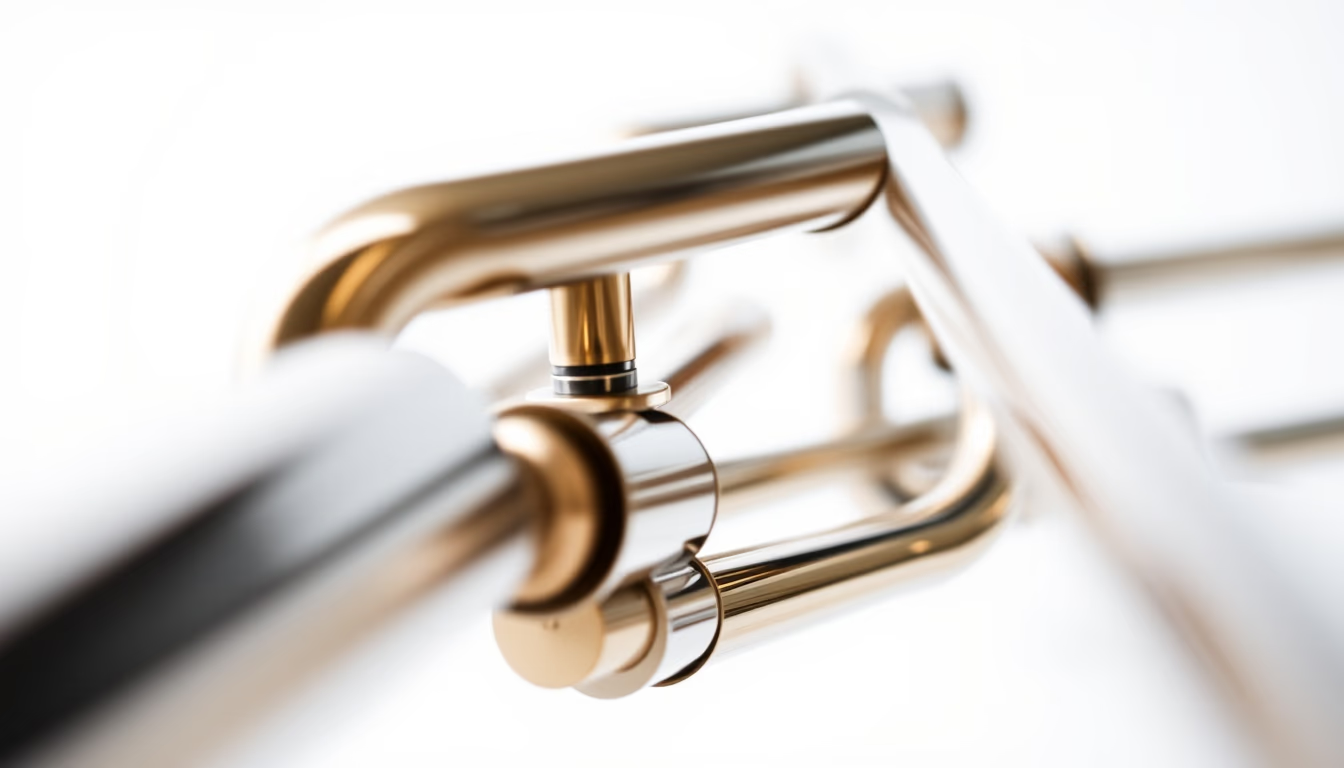
Close-up of a trombone slide, an essential component for tuning and expressiveness of the brass instrument.
About this subject
The slide is the moving part of the trombone, a telescoping tube that allows the player to vary the total length of the instrument, thereby changing the pitch of the notes. Unlike other brass instruments that use valves or pistons, the slide trombone is the only one in the family to employ this mechanism, giving it a unique ability to produce smooth, continuous glissandos. The slide consists of two concentric tubes, usually made of brass or nickel silver, with a precise seal at the end to prevent air leaks. Proper maintenance, such as regular lubrication with specific oil, is crucial to ensure smooth movement and avoid wear.
The modern trombone has seven slide positions, each corresponding to a combination of natural harmonics, allowing the player to play all notes of the chromatic scale. The technique of positions requires great precision, as each movement subtly alters the tuning. Great names like Tommy Dorsey and J.J. Johnson elevated the trombone to a solo role in orchestras and jazz, demonstrating the slide's versatility. Historically, the trombone emerged in the 15th century, evolving from the 'sackbut,' and has retained the slide as its central feature.
The durability of the slide depends on usage and care. Dents or misalignments can compromise the seal and the instrument's response. Therefore, professional musicians often have the slide serviced or replaced at specialized workshops. The slide's design also influences the timbre: wider slides tend to produce a richer sound, while narrower ones favor agility. In short, the slide is not just a functional mechanism but a defining element of the trombone's sonic identity.
Frequently Asked Questions
Why does the trombone slide need lubrication?
Lubrication reduces friction between the slide tubes, ensuring smooth and fast movement while preventing wear and air leaks. Without it, the slide may stick or damage the seal.
What is the difference between a slide trombone and a valve trombone?
A slide trombone uses a telescoping slide to change the tube length, while a valve trombone uses rotary valves or pistons to divert air through extra tubing. The slide allows continuous glissandos; valves offer greater agility in fast passages.
How can I tell if the trombone slide is damaged?
Signs include difficulty moving, rough noises, air leaks (unclear sound when blowing), or visible dents. A simple test is to play a note and see if the pitch remains stable as you move the slide.
Direct URL
https://pub-c7d6a6ea828543ac903a74a341ccb2e1.r2.dev/imagens/trombone-slide-closeup-commercial-product-photography-p0.avifHow to credit
Include a visible link back to UtilizAí. Copy one of the snippets below:
<a href="https://xn--utiliza-eza.com/en/midia/imagens/trombone-slide-closeup-commercial-product-photography-p0">Trombone slide closeup</a> by <a href="https://xn--utiliza-eza.com">UtilizAí</a>, licensed under <a href="https://creativecommons.org/licenses/by/4.0/">CC BY 4.0</a>.
[Trombone slide closeup](https://xn--utiliza-eza.com/en/midia/imagens/trombone-slide-closeup-commercial-product-photography-p0) by [UtilizAí](https://xn--utiliza-eza.com), CC BY 4.0
License: CC-BY-4.0