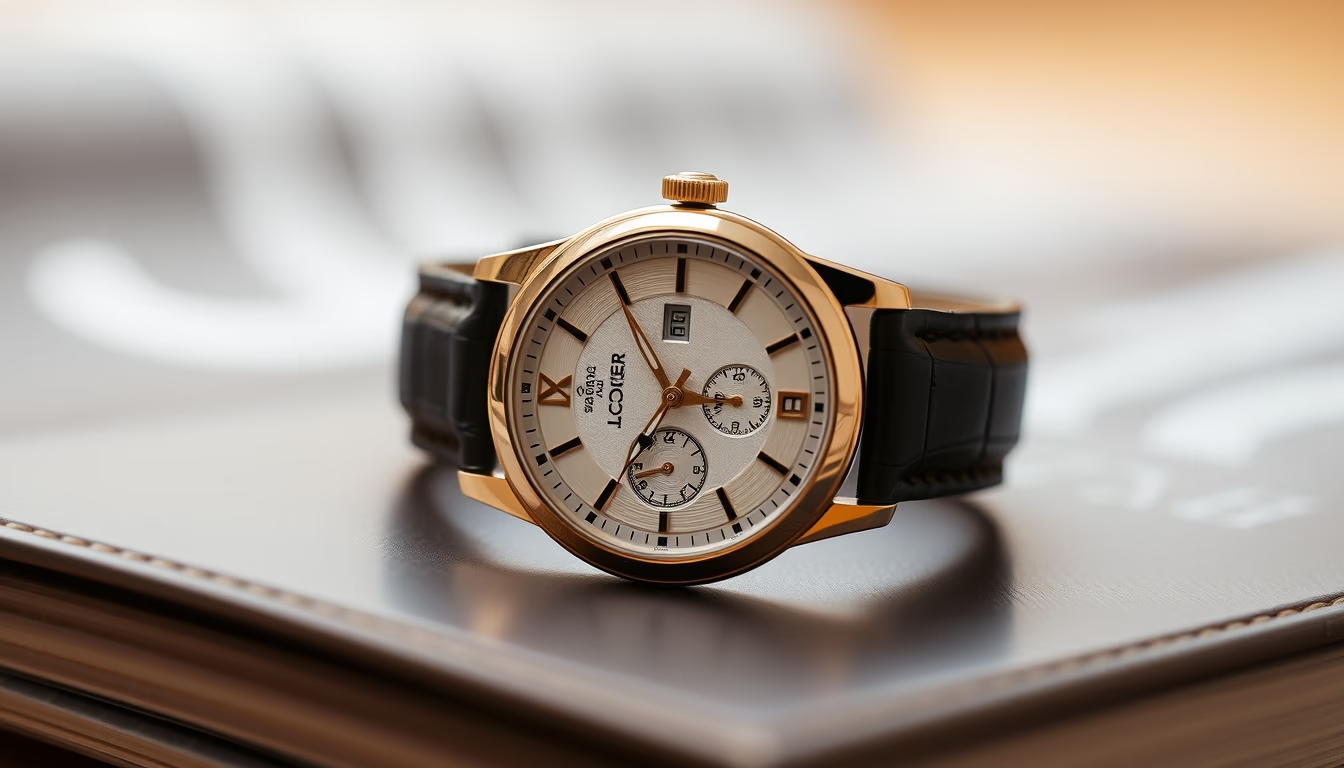
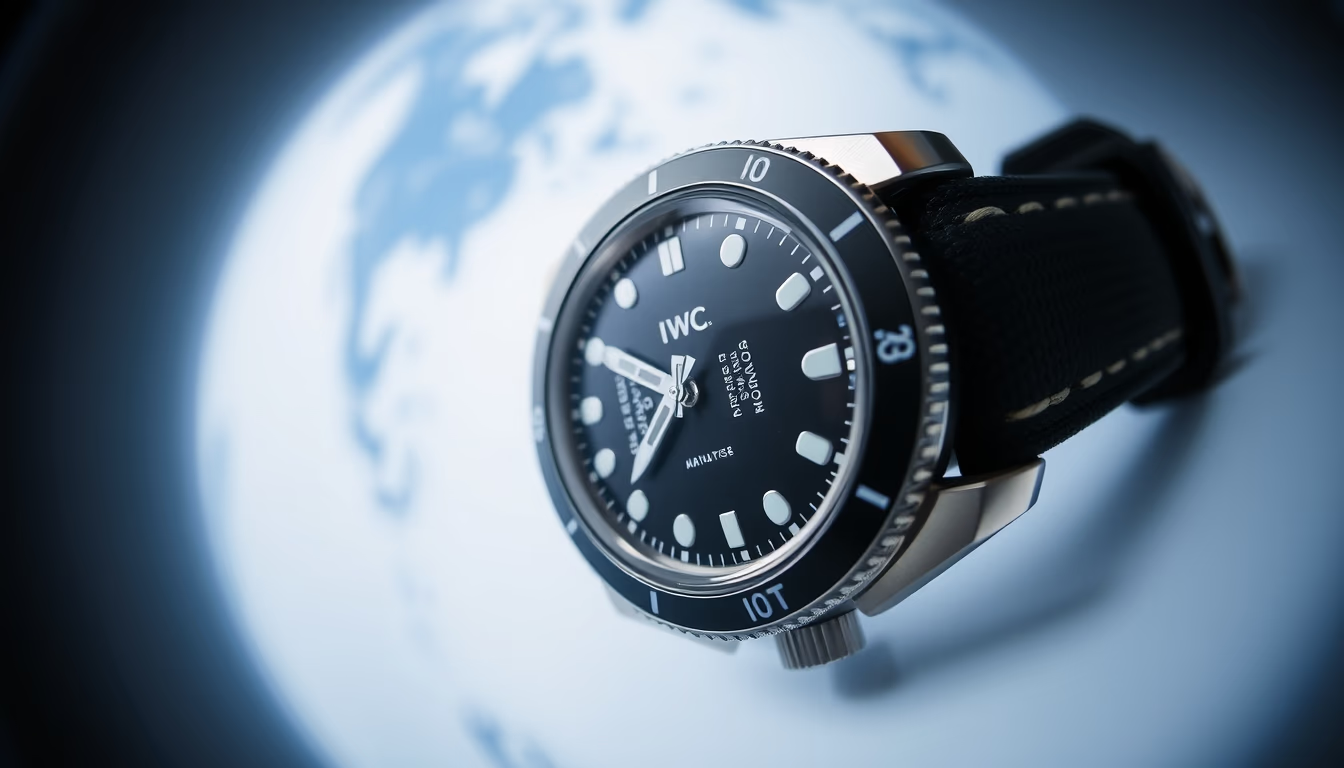
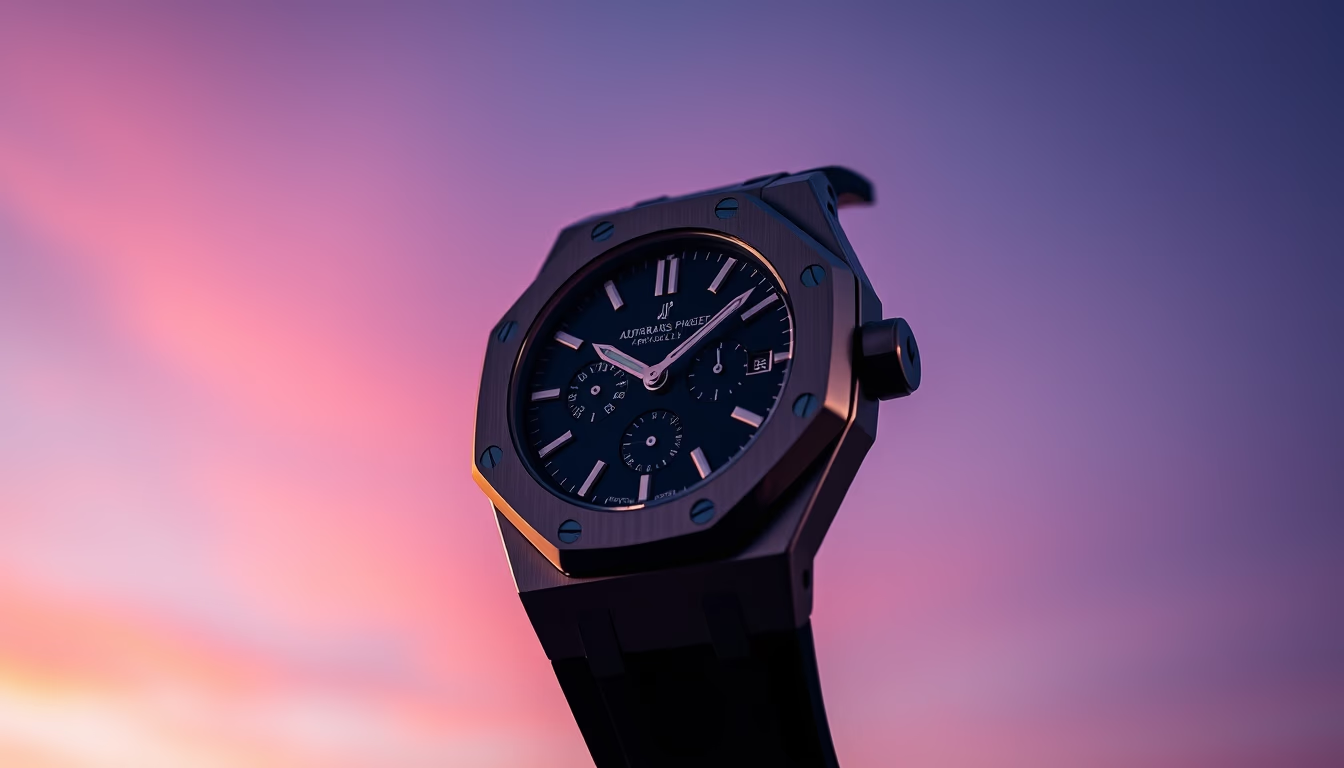
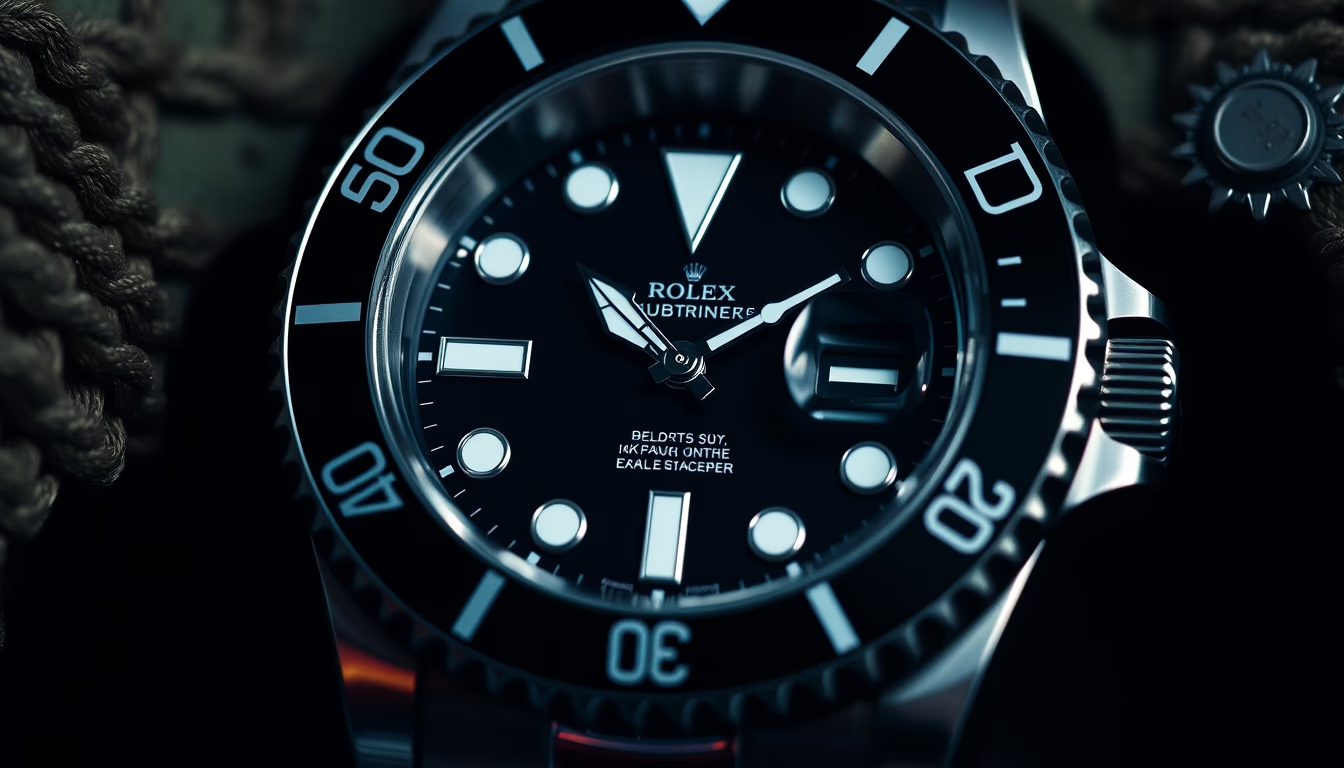
Tourbillon watch detail
1344×768 · AVIF · CC BY 4.0
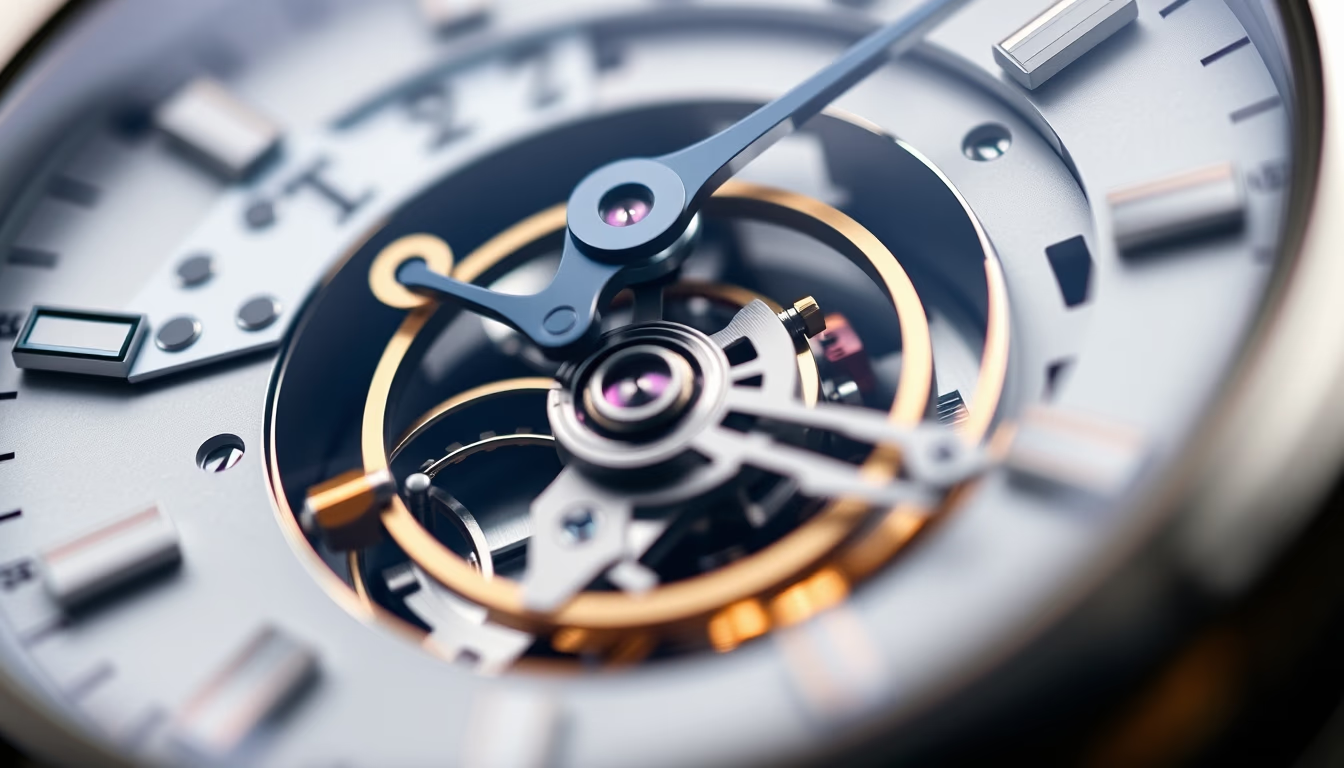
The tourbillon is one of the most complex watchmaking mechanisms, designed to counter gravity's effects on mechanical watches.
About this subject
The tourbillon was invented by Swiss watchmaker Abraham-Louis Breguet in 1795 and patented in 1801. Its original purpose was to improve the accuracy of pocket watches, which were constantly held in a vertical position, subject to gravity. The mechanism consists of a rotating cage that houses the balance wheel and hairspring, continuously rotating to average out position errors, thus canceling rate variations.
In modern wristwatches, the tourbillon is more a symbol of technical virtuosity than a practical necessity, since wrist movements already compensate for gravity. Nonetheless, brands like Patek Philippe, Audemars Piguet, and Jaeger-LeCoultre produce highly complex tourbillons. Contemporary versions include flying tourbillons (without an upper bridge), double tourbillons (two concentric cages), and multi-axis tourbillons (rotating in different planes).
Each tourbillon requires hundreds of hours of handcrafted work, micro-milling, and meticulous adjustment. The number of parts can exceed 70 for the rotating assembly alone. Therefore, tourbillon watches are among the most expensive in the world, often exceeding US$50,000. Models such as the Breguet Classique Tourbillon and the Richard Lange Tourbillon showcase the technical beauty of this exposed mechanism.
Interesting fact: in 2015, Greubel Forsey's watchmaking team created a 25-degree inclined tourbillon, further optimizing gravitational compensation. Meanwhile, TAG Heuer launched a CNC-machined tourbillon, reducing costs and broadening accessibility.
Frequently Asked Questions
What is a tourbillon in watchmaking?
It is a rotating mechanism that houses the balance wheel and hairspring of a watch, designed to counteract the effects of gravity on accuracy.
Who invented the tourbillon and when?
It was invented by Swiss watchmaker Abraham-Louis Breguet in 1795, with a patent granted in 1801.
Why are tourbillon watches so expensive?
They require hundreds of hours of handcrafted work, tiny and complex parts (over 70 in the rotating assembly), and extremely precise adjustments, making each piece a work of high horology.
Direct URL
https://pub-c7d6a6ea828543ac903a74a341ccb2e1.r2.dev/imagens/tourbillon-watch-detail-tilt-shift-miniature-fresh4.avifHow to credit
Include a visible link back to UtilizAí. Copy one of the snippets below:
<a href="https://xn--utiliza-eza.com/en/midia/imagens/tourbillon-watch-detail-tilt-shift-miniature-fresh4">Tourbillon watch detail</a> by <a href="https://xn--utiliza-eza.com">UtilizAí</a>, licensed under <a href="https://creativecommons.org/licenses/by/4.0/">CC BY 4.0</a>.
[Tourbillon watch detail](https://xn--utiliza-eza.com/en/midia/imagens/tourbillon-watch-detail-tilt-shift-miniature-fresh4) by [UtilizAí](https://xn--utiliza-eza.com), CC BY 4.0
License: CC-BY-4.0