Tourbillon watch detail
1344×768 · AVIF · CC BY 4.0
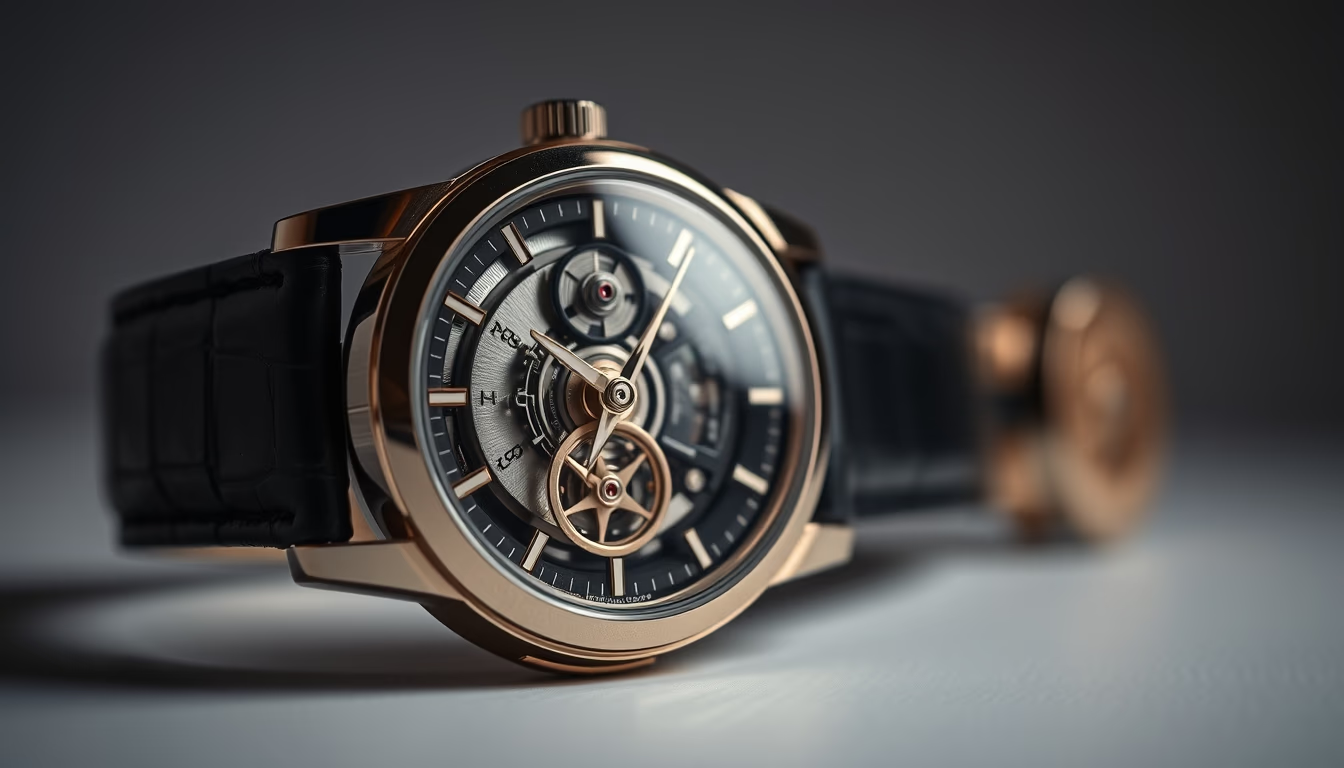
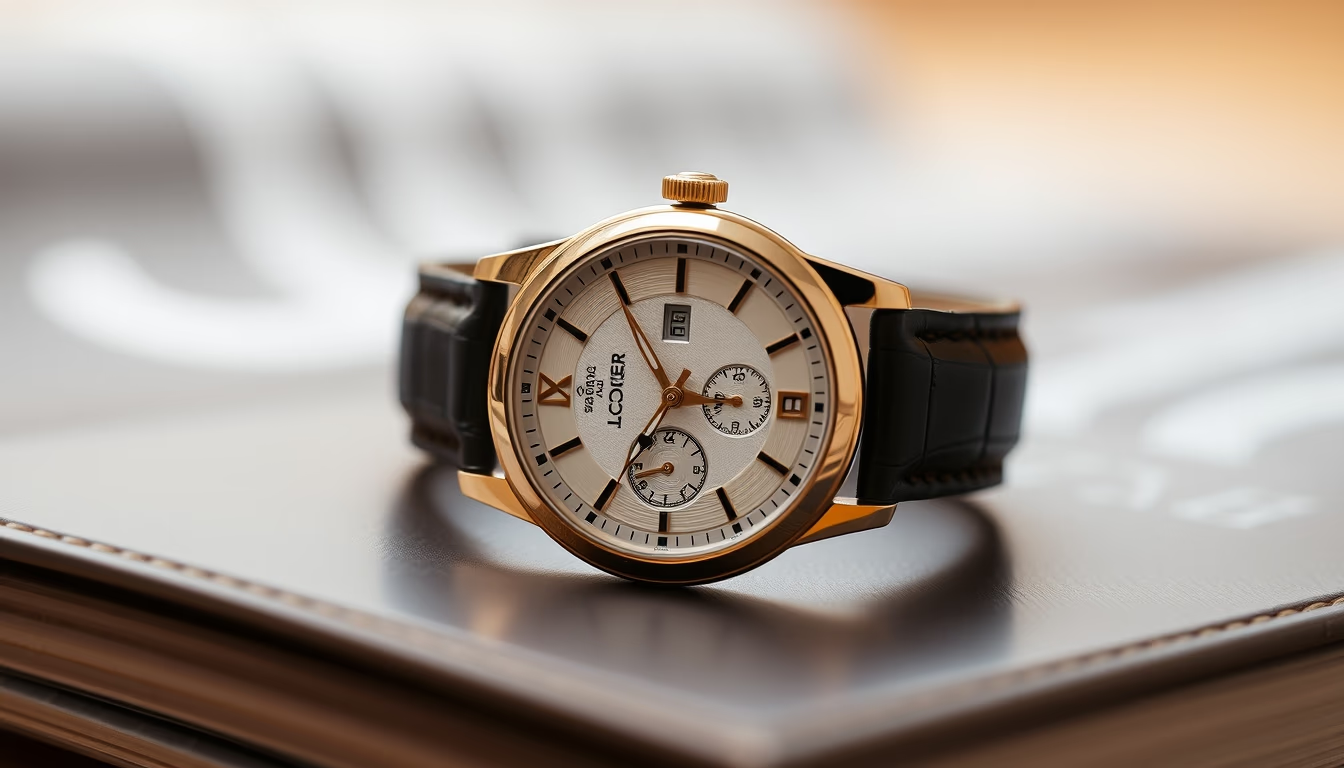
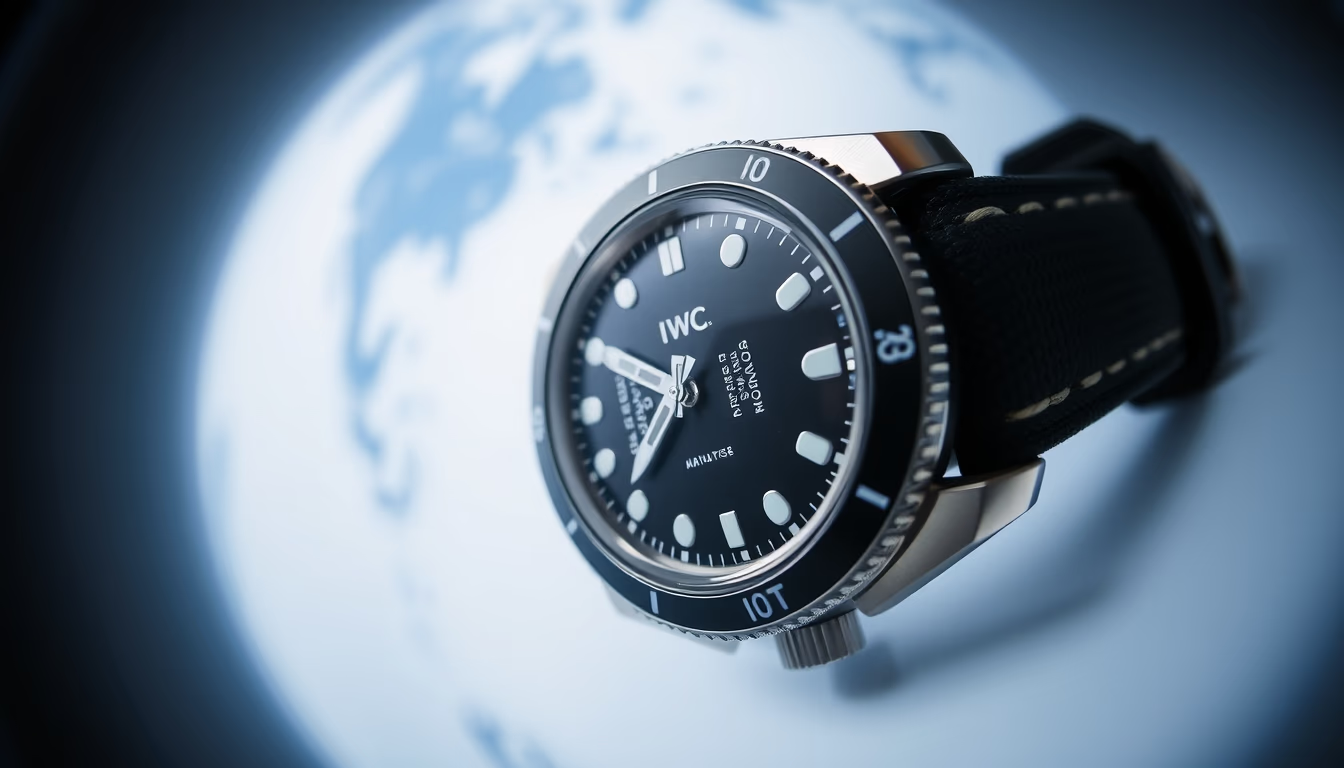
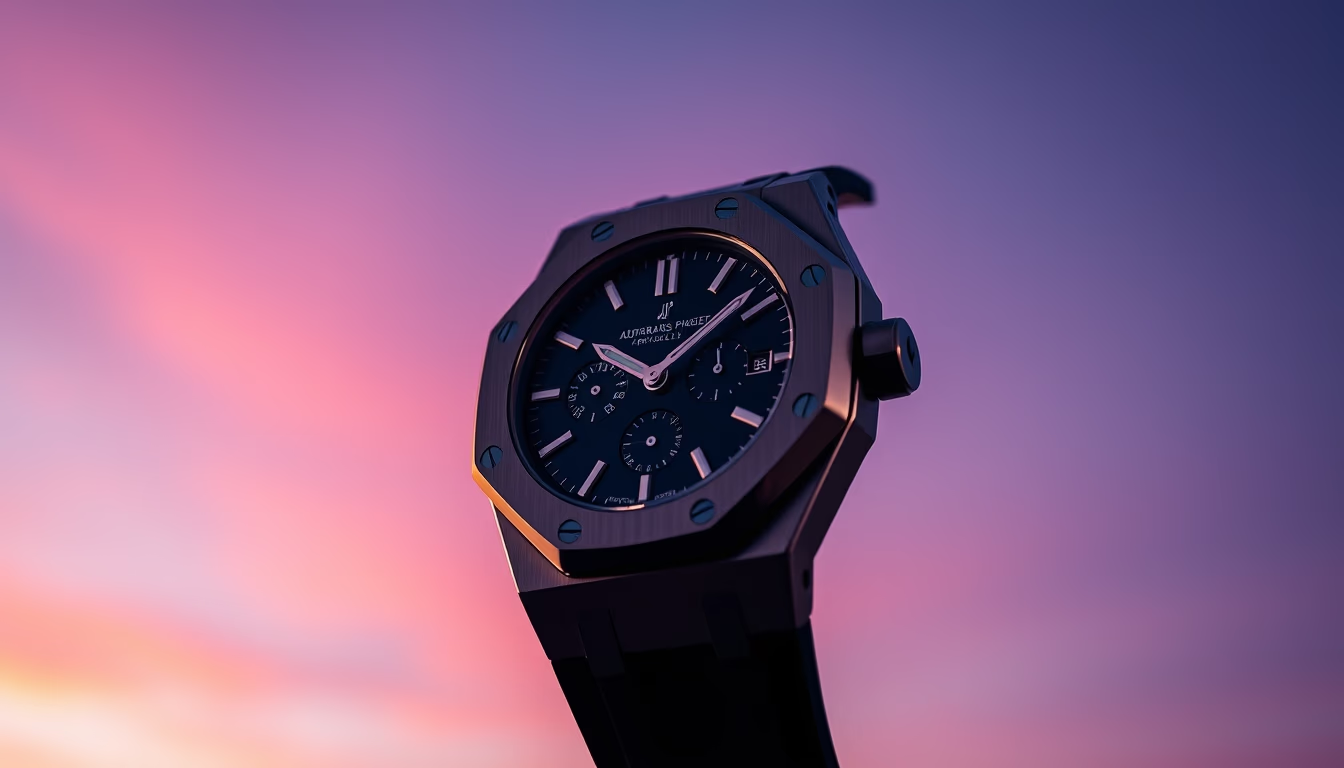
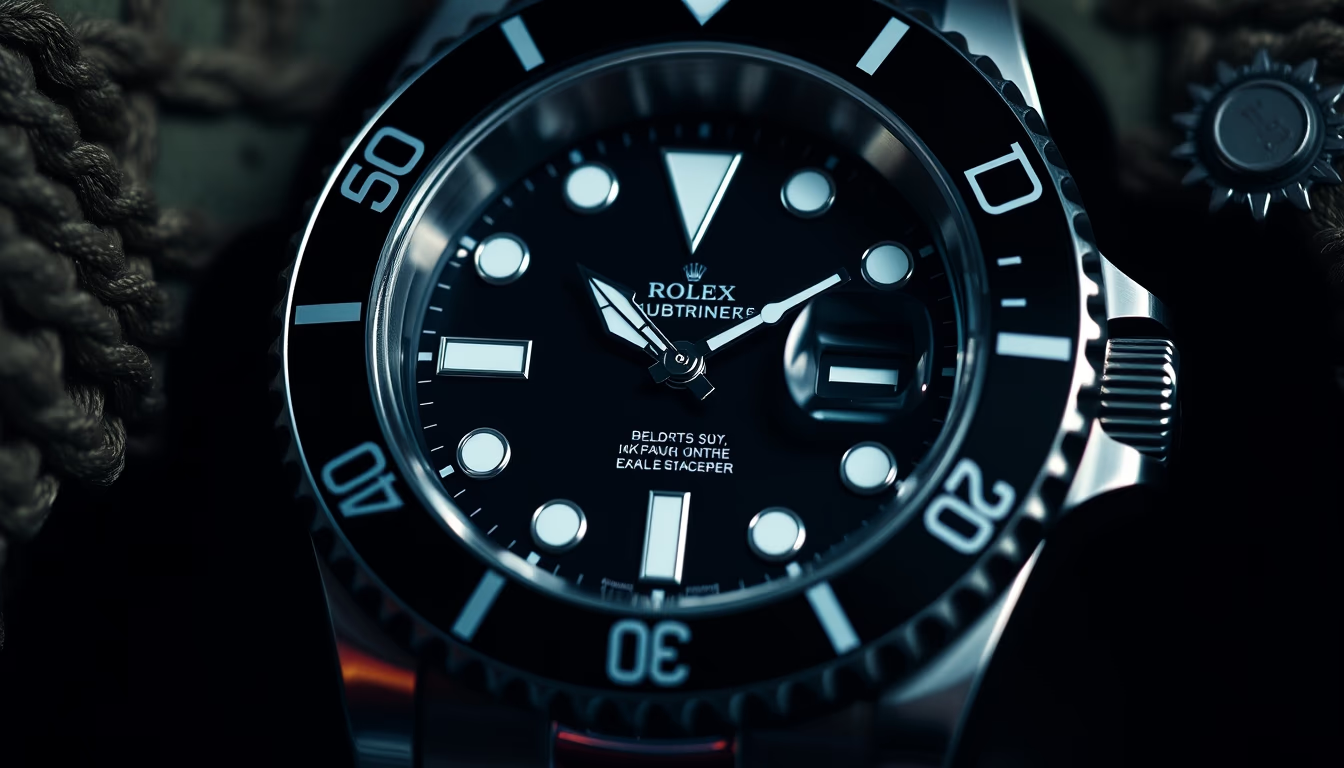
Detail of a mechanical watch with tourbillon, a complex mechanism that compensates for gravity effects on timekeeping, symbol of high horology.
About this subject
The tourbillon was invented by Abraham-Louis Breguet in 1795 and patented in 1801. Its original purpose was to improve the accuracy of pocket watches, which were worn vertically and subject to gravitational variations. The mechanism consists of a rotating cage that houses the escapement and balance wheel, completing one full rotation per minute. This allows positional rate errors to be statistically averaged out over each cycle.
Today, the tourbillon is a luxury complication in wristwatches, prized for its engineering and aesthetics. Although its practical utility in modern watches is debatable due to advances in materials and mass distribution, it remains a symbol of horological mastery. Many models allow viewing the mechanism through an open dial or sapphire crystal caseback.
Manufacturing a tourbillon requires extreme precision and skilled labor. Components are often made of materials like titanium or silicon to reduce weight and friction. Tourbillon watches can cost tens of thousands to millions of dollars, depending on brand and complexity. Brands such as Patek Philippe, Audemars Piguet, and Rolex are renowned for their creations in this category.
Interestingly, the term tourbillon means “whirlwind” in French, referencing the rotating motion of the mechanism. Beyond its technical function, the tourbillon has become an iconic design element, often displayed with visible bridges and screws, celebrating the art of mechanical watchmaking.
Frequently Asked Questions
What is a tourbillon in watches?
It is a mechanism that rotates the escapement and balance wheel on an axis to compensate for gravity effects, improving accuracy. It was invented by Abraham-Louis Breguet in 1795.
How does a tourbillon work?
A cage containing the escapement and balance wheel completes one rotation per minute, spreading rate variations over the cycle and canceling positional errors.
Why are tourbillon watches so expensive?
They require high-precision handcrafting, specialized components, and meticulous assembly. The complexity of the mechanism and production time drive up costs, making them luxury items.
Direct URL
https://pub-c7d6a6ea828543ac903a74a341ccb2e1.r2.dev/imagens/tourbillon-watch-detail-studio-still-life-fresh0.avifHow to credit
Include a visible link back to UtilizAí. Copy one of the snippets below:
<a href="https://xn--utiliza-eza.com/en/midia/imagens/tourbillon-watch-detail-studio-still-life-fresh0">Tourbillon watch detail</a> by <a href="https://xn--utiliza-eza.com">UtilizAí</a>, licensed under <a href="https://creativecommons.org/licenses/by/4.0/">CC BY 4.0</a>.
[Tourbillon watch detail](https://xn--utiliza-eza.com/en/midia/imagens/tourbillon-watch-detail-studio-still-life-fresh0) by [UtilizAí](https://xn--utiliza-eza.com), CC BY 4.0
License: CC-BY-4.0