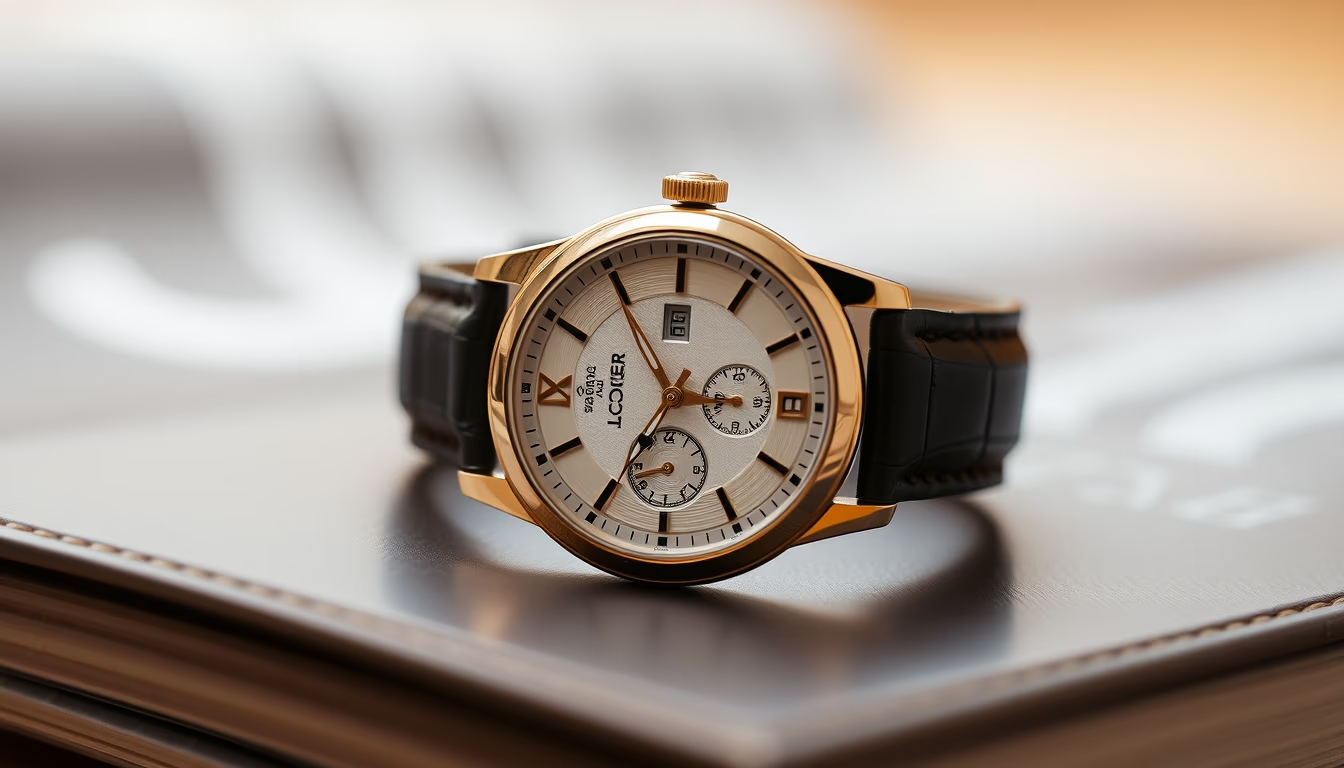
Tourbillon watch detail
1344×768 · AVIF · CC BY 4.0
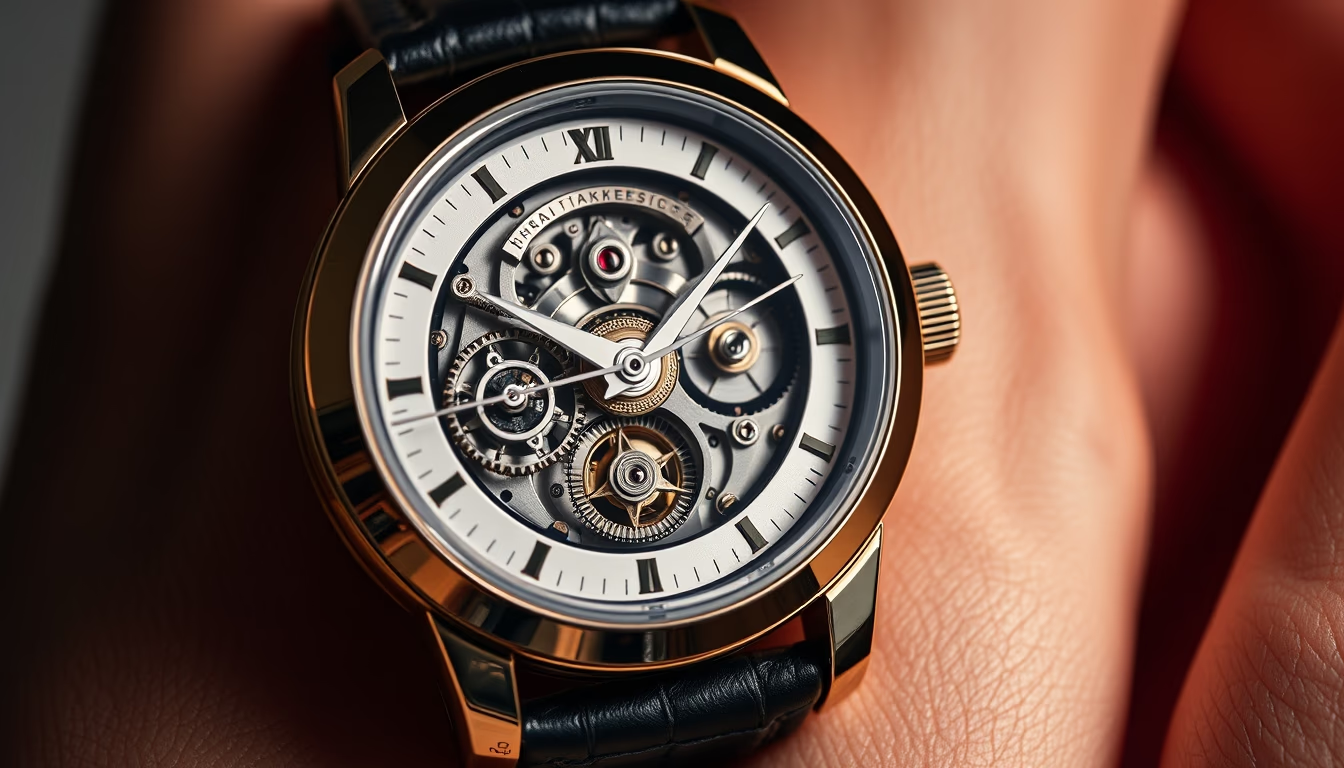
The tourbillon, a horological mechanism invented by Abraham-Louis Breguet in 1801, combines technical precision and aesthetic refinement in luxury watches.
About this subject
The tourbillon is one of the most emblematic mechanisms in high horology. It was patented by Abraham-Louis Breguet in 1801, aiming to counteract the effects of gravity on the regulating organ of pocket watches. Instead of a fixed escapement, the tourbillon mounts the balance wheel and escapement in a rotating cage, typically completing one revolution per minute, canceling out position-related errors. Although this function is less critical in modern wristwatches due to other advancements, the tourbillon remains a symbol of technical mastery and watchmaking artistry.
Since its invention, the tourbillon has been adopted by the most prestigious manufacturers, such as Patek Philippe, Audemars Piguet, and Vacheron Constantin, featuring it in collectible pieces. Variations include the flying tourbillon, without an upper bridge, and multi-axis tourbillons that rotate in more than one plane, such as the double tourbillon by Greubel Forsey. The complexity of its construction, requiring months of manual labor and miniaturized components with micrometric tolerances, explains its high prices, often exceeding one hundred thousand dollars.
In contemporary culture, the tourbillon transcends technical function and becomes an icon of status and design. Watches with tourbillons often display the mechanism through openworked dials or sapphire casebacks, enhancing the visual spectacle of motion. Luxury fashion and lifestyle brands also incorporate the tourbillon into high-end collections, associating it with sophistication and exclusivity. The allure of the tourbillon lies both in its two-hundred-year history and its ability to unite science and art in a wearable object.
Frequently Asked Questions
What is a tourbillon?
A tourbillon is a horological mechanism that mounts the escapement and balance wheel in a rotating cage to counteract the effects of gravity on a watch's accuracy. It was invented by Abraham-Louis Breguet in 1801.
How does a tourbillon work?
The tourbillon cage rotates continuously, usually once per minute, changing the escapement's position relative to gravity. This averages out positional errors, thus improving timekeeping precision.
Who invented the tourbillon and why?
The tourbillon was invented by Swiss watchmaker Abraham-Louis Breguet around 1795 and patented in 1801. He designed it for pocket watches, which when carried vertically were affected by gravity, reducing accuracy.
Direct URL
https://pub-c7d6a6ea828543ac903a74a341ccb2e1.r2.dev/imagens/tourbillon-watch-detail-high-fashion-editorial-fresh16.avifHow to credit
Include a visible link back to UtilizAí. Copy one of the snippets below:
<a href="https://xn--utiliza-eza.com/en/midia/imagens/tourbillon-watch-detail-high-fashion-editorial-fresh16">Tourbillon watch detail</a> by <a href="https://xn--utiliza-eza.com">UtilizAí</a>, licensed under <a href="https://creativecommons.org/licenses/by/4.0/">CC BY 4.0</a>.
[Tourbillon watch detail](https://xn--utiliza-eza.com/en/midia/imagens/tourbillon-watch-detail-high-fashion-editorial-fresh16) by [UtilizAí](https://xn--utiliza-eza.com), CC BY 4.0
License: CC-BY-4.0