Tourbillon watch detail
1344×768 · AVIF · CC BY 4.0
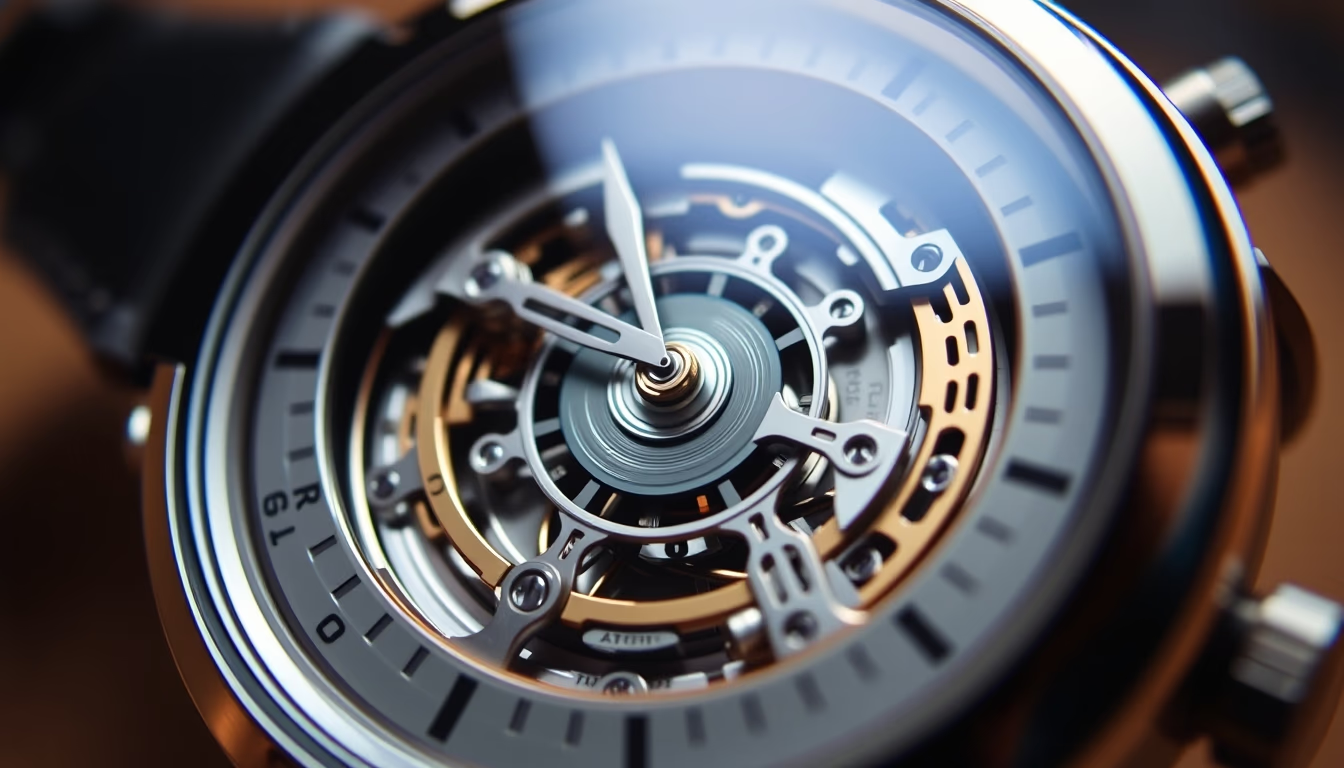
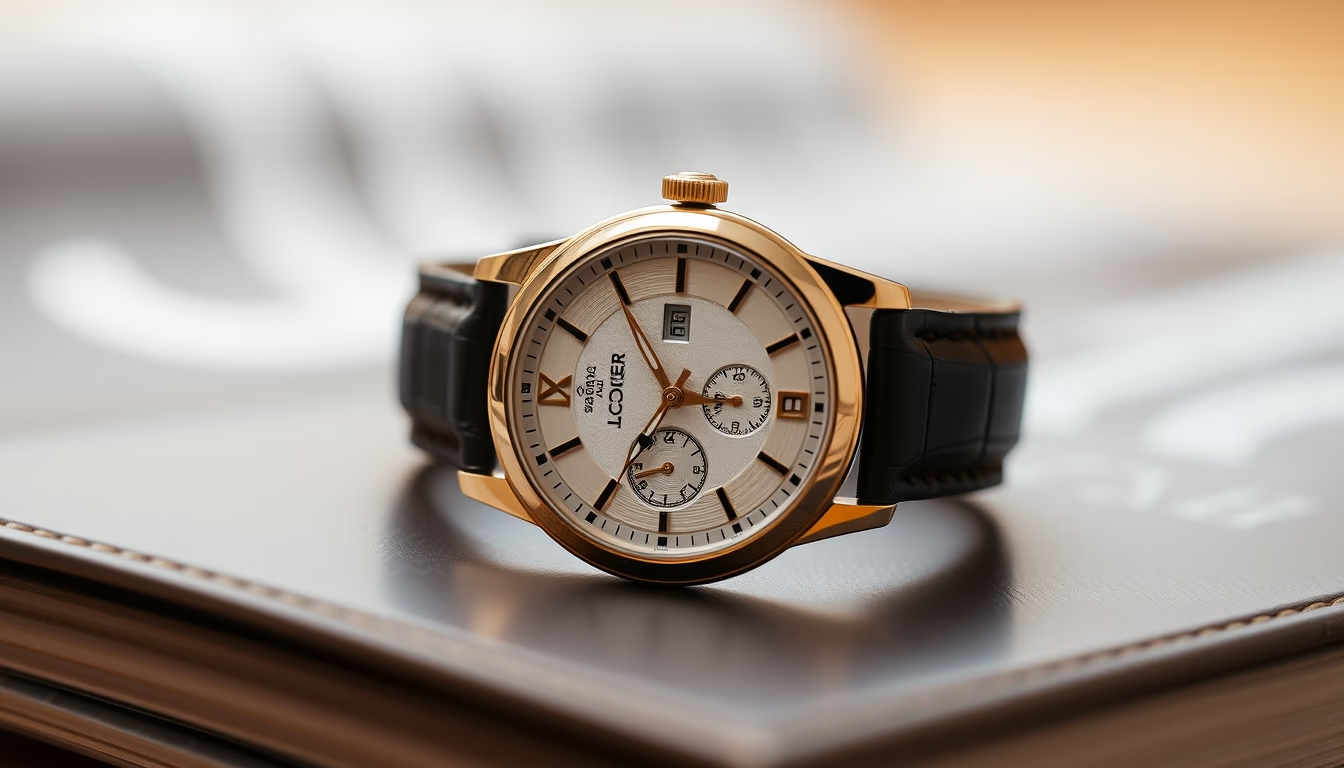
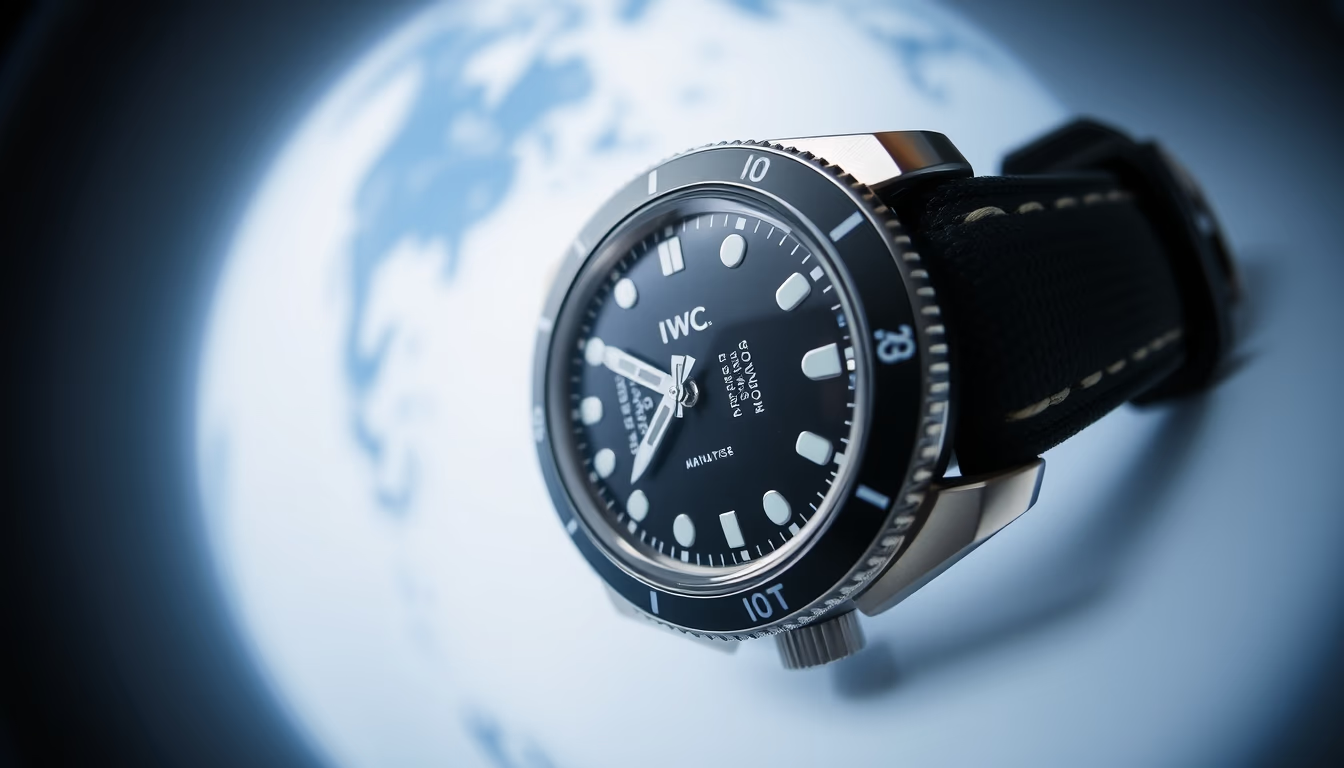
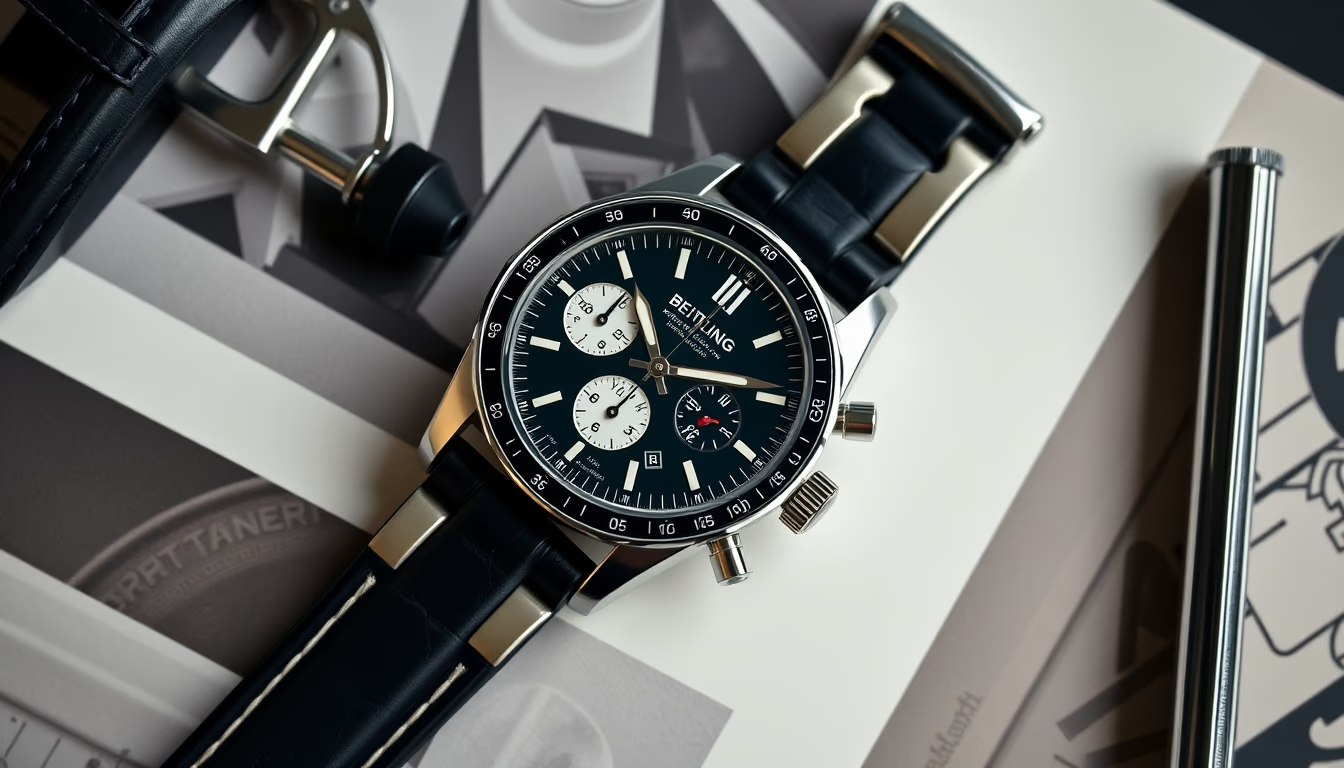
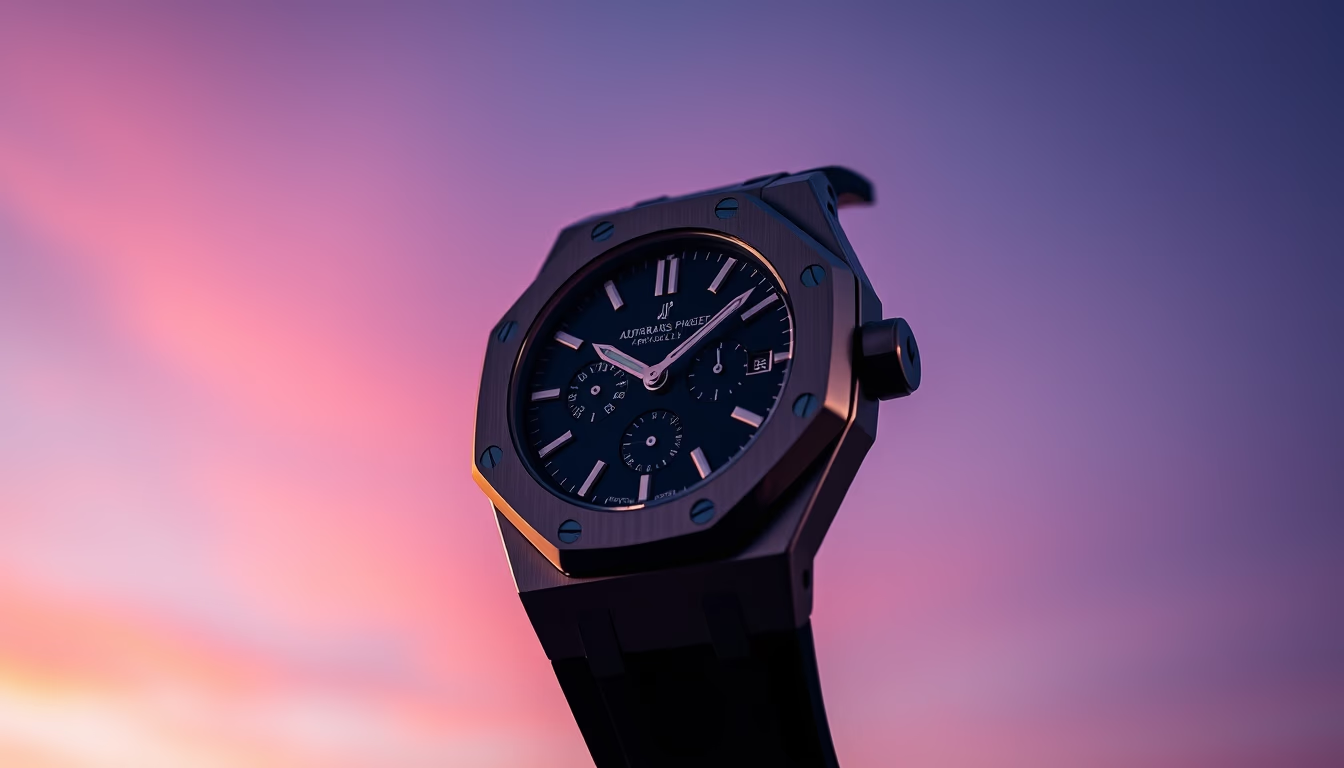
Detail of a watch with a tourbillon mechanism, one of the most complex and fascinating complications in luxury watchmaking.
About this subject
The tourbillon is a watch complication invented by Swiss master watchmaker Abraham-Louis Breguet in 1795, patented in 1801. Its original purpose was to counteract the effects of gravity on the watch's oscillator, especially when worn in a vertical position, such as in a pocket. The mechanism consists of a rotating cage that houses the balance wheel and hairspring, completing a full rotation typically every 60 seconds. This rotation averages out positional errors, theoretically improving accuracy.
Today, tourbillons are considered a pinnacle of haute horlogerie due to the extreme difficulty of manufacturing and adjustment. They require hundreds of tiny parts, hand assembly, and years of expertise. Brands like Patek Philippe, Audemars Piguet, and Jaeger-LeCoultre are renowned for their exceptional tourbillons. Modern variations include flying tourbillons (without a top bridge), multi-axis tourbillons, and gyroscopic tourbillons, pushing technical boundaries further.
While tourbillon watches are very expensive, often over US$50,000, affordable models from Chinese brands incorporate the mechanism for around US$500, albeit with lower quality. The cultural value and rarity make the tourbillon a status symbol among collectors and enthusiasts.
Notably, the first wristwatch with a tourbillon was created in 1947, more than 150 years after the invention. Today, the complication is often displayed through skeletonized dials, allowing wearers to admire the hypnotic motion of the cage.
Frequently Asked Questions
What is a tourbillon in watches?
It is a rotating mechanism that houses the balance wheel and hairspring, designed to counteract the effects of gravity on accuracy. It continuously rotates, usually once per minute, averaging positional errors.
Why are tourbillon watches so expensive?
Due to manufacturing complexity: hundreds of tiny parts, entirely hand assembly, and precise adjustments. Production can take months, and demand is high among collectors.
Does the tourbillon really improve watch accuracy?
Originally yes, but in modern wristwatches the benefit is minimal because natural arm movements already compensate for gravity. Today, the value is more aesthetic and prestigious than functional.
Direct URL
https://pub-c7d6a6ea828543ac903a74a341ccb2e1.r2.dev/imagens/tourbillon-watch-detail-fish-eye-wide-angle-fresh3.avifHow to credit
Include a visible link back to UtilizAí. Copy one of the snippets below:
<a href="https://xn--utiliza-eza.com/en/midia/imagens/tourbillon-watch-detail-fish-eye-wide-angle-fresh3">Tourbillon watch detail</a> by <a href="https://xn--utiliza-eza.com">UtilizAí</a>, licensed under <a href="https://creativecommons.org/licenses/by/4.0/">CC BY 4.0</a>.
[Tourbillon watch detail](https://xn--utiliza-eza.com/en/midia/imagens/tourbillon-watch-detail-fish-eye-wide-angle-fresh3) by [UtilizAí](https://xn--utiliza-eza.com), CC BY 4.0
License: CC-BY-4.0