Tourbillon watch detail
1344×768 · AVIF · CC BY 4.0
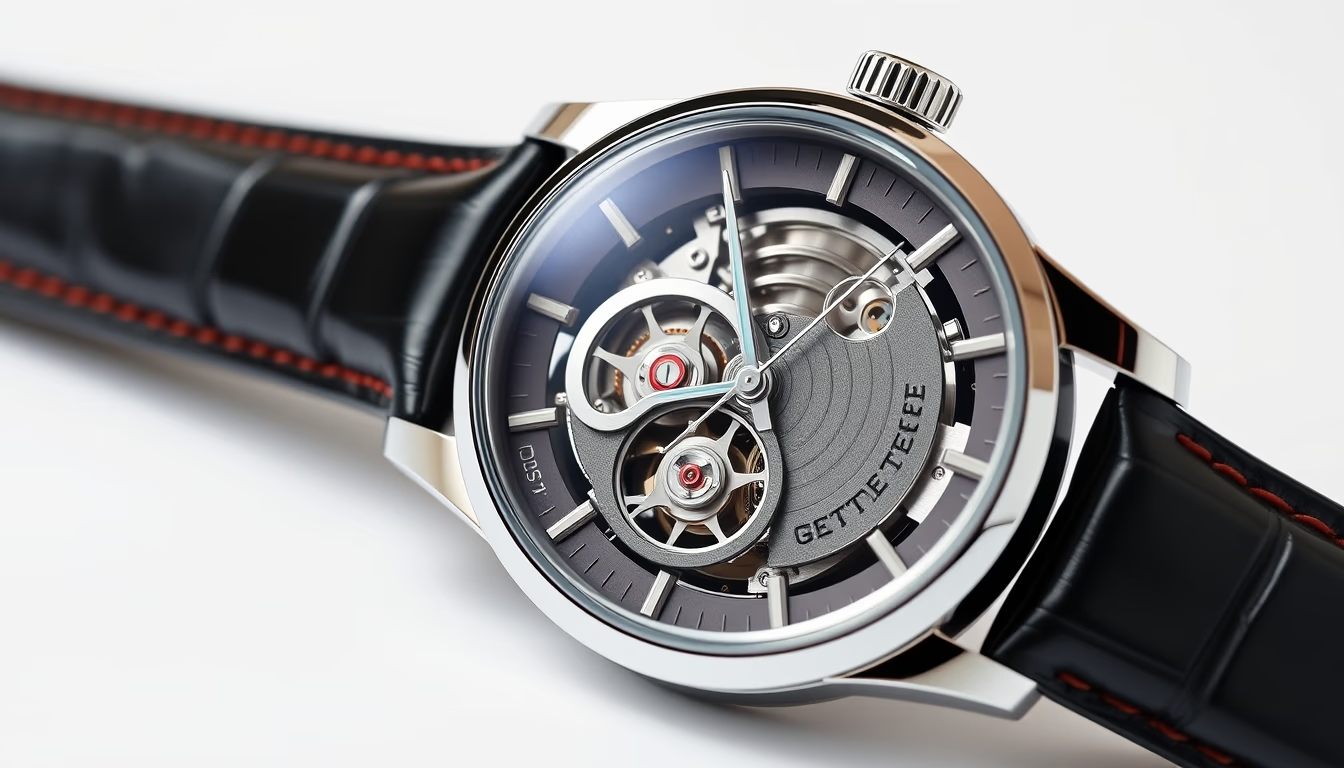
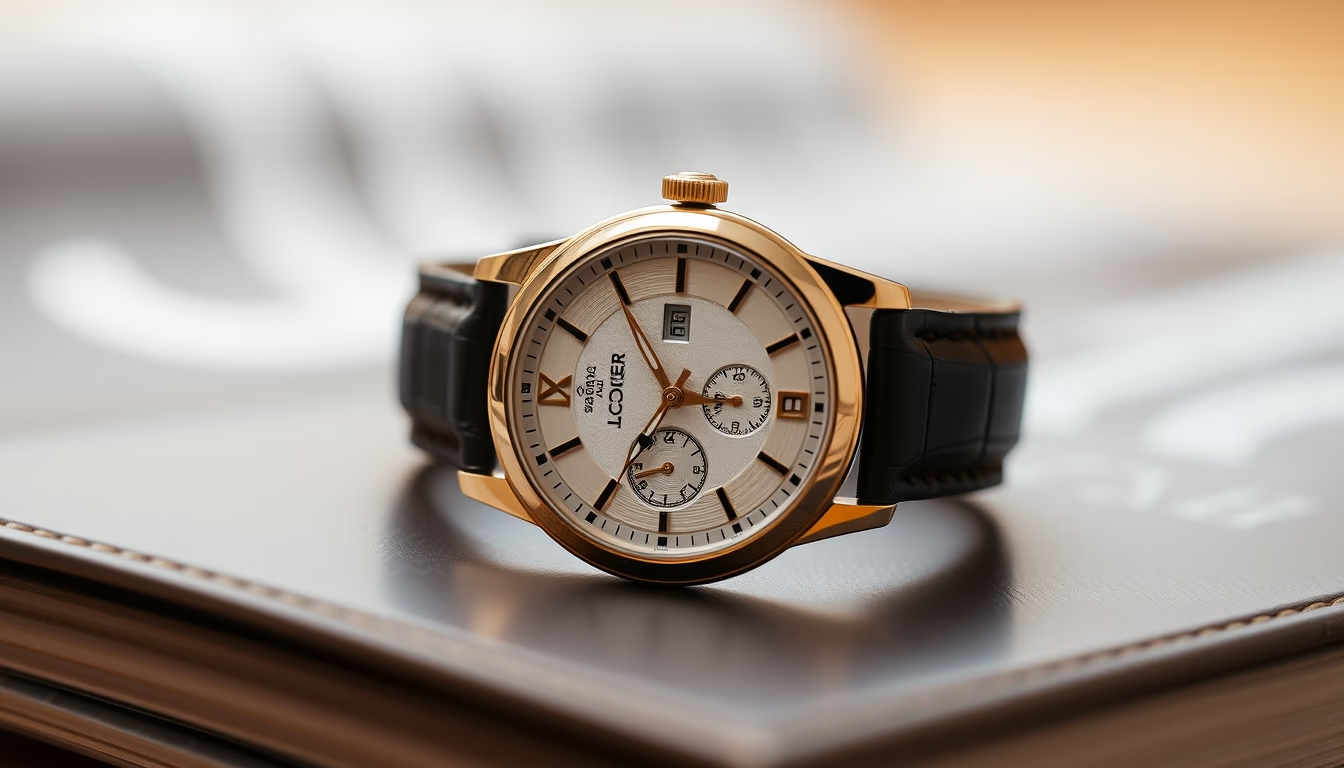
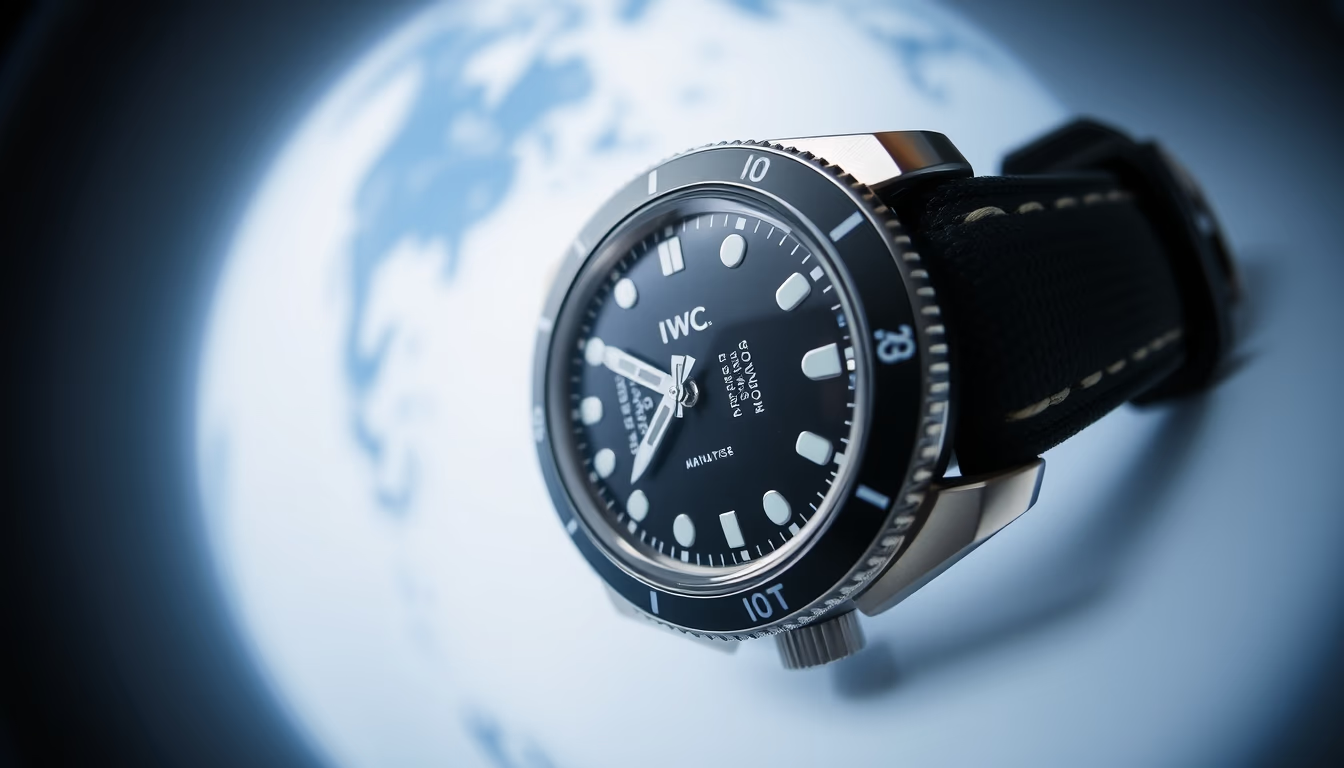
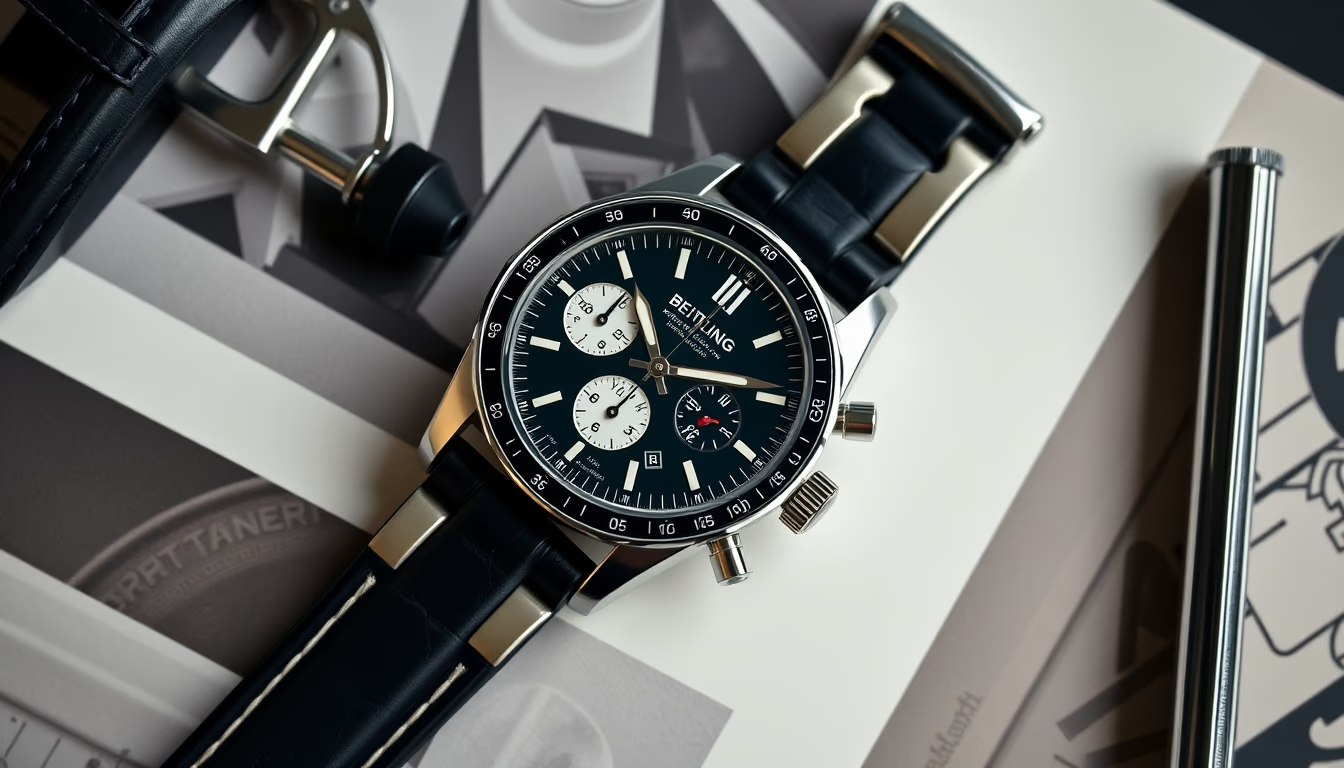
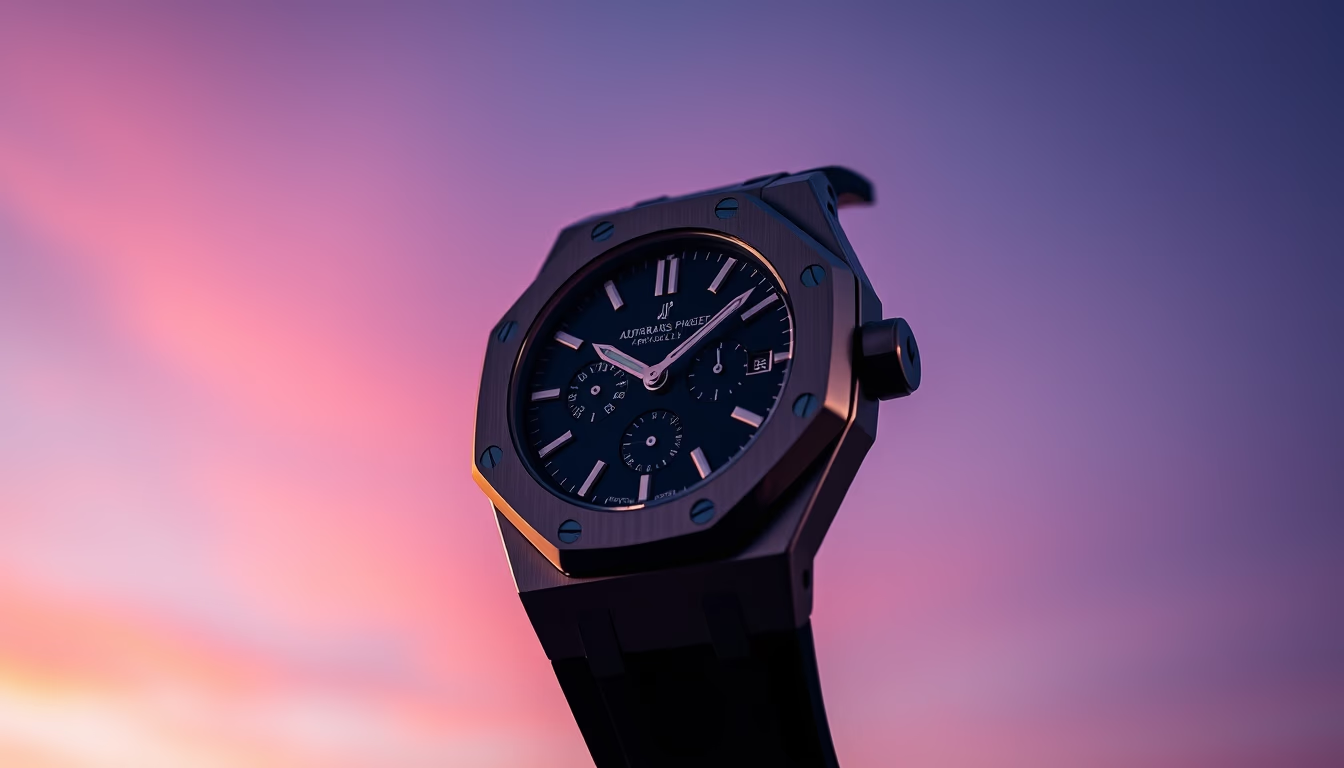
Detail of a tourbillon mechanism in a luxury watch, invented by Abraham-Louis Breguet in 1801 to counteract the effects of gravity.
About this subject
The tourbillon is a watch complication invented by Swiss master watchmaker Abraham-Louis Breguet in 1801, patented in 1801 and presented to the public in 1806. Its primary purpose is to improve the accuracy of mechanical watches by compensating for errors caused by Earth's gravity. To achieve this, the escapement and balance wheel are mounted inside a rotating cage, typically completing one revolution per minute (though some modern models use intervals like 360 seconds). By continuously rotating, the average position of the balance's center of gravity is nullified, reducing rate differences between vertical and horizontal positions.
Initially developed for pocket watches, which were often kept vertically in a vest, the tourbillon's importance diminished with the advent of modern wristwatches and quartz movements. Nevertheless, it remains one of the most emblematic complications in high-end watchmaking, symbolizing craftsmanship and technical innovation. Crafting a tourbillon requires months of manual labor by specialized watchmakers, with tiny parts weighing less than a gram. Brands like Patek Philippe, Audemars Piguet, and Jaeger-LeCoultre produce acclaimed tourbillons; the world's thinnest tourbillon record is held by Bulgari's Octo Finissimo Tourbillon.
Today, the tourbillon is often associated with extremely high-value watches, but there are also more affordable versions from brands like TAG Heuer and Tissot using in-house movements. Beyond the classic tourbillon, variations include the flying tourbillon (without an upper bridge), the double tourbillon, and the inclined tourbillon. Enthusiasts value the mechanical complexity and visual beauty of the rotating cage, often displayed through skeleton dials or sapphire crystal casebacks.
Frequently Asked Questions
What is the difference between a tourbillon and a chronograph?
A tourbillon is a complication intended to improve accuracy by counteracting gravity, while a chronograph is a mechanism for measuring time intervals with start, stop, and reset functions.
Are all tourbillon watches very expensive?
Not necessarily. Entry-level models from brands like Tissot and TAG Heuer cost a few thousand dollars, but high-end luxury tourbillons can reach hundreds of thousands.
Does a tourbillon actually improve the accuracy of a modern watch?
In modern wristwatches, the benefit is marginal because movements are already very precise, and the tourbillon does not compensate for other factors like shocks or temperature variation.
Direct URL
https://pub-c7d6a6ea828543ac903a74a341ccb2e1.r2.dev/imagens/tourbillon-watch-detail-commercial-product-photography-fresh14.avifHow to credit
Include a visible link back to UtilizAí. Copy one of the snippets below:
<a href="https://xn--utiliza-eza.com/en/midia/imagens/tourbillon-watch-detail-commercial-product-photography-fresh14">Tourbillon watch detail</a> by <a href="https://xn--utiliza-eza.com">UtilizAí</a>, licensed under <a href="https://creativecommons.org/licenses/by/4.0/">CC BY 4.0</a>.
[Tourbillon watch detail](https://xn--utiliza-eza.com/en/midia/imagens/tourbillon-watch-detail-commercial-product-photography-fresh14) by [UtilizAí](https://xn--utiliza-eza.com), CC BY 4.0
License: CC-BY-4.0