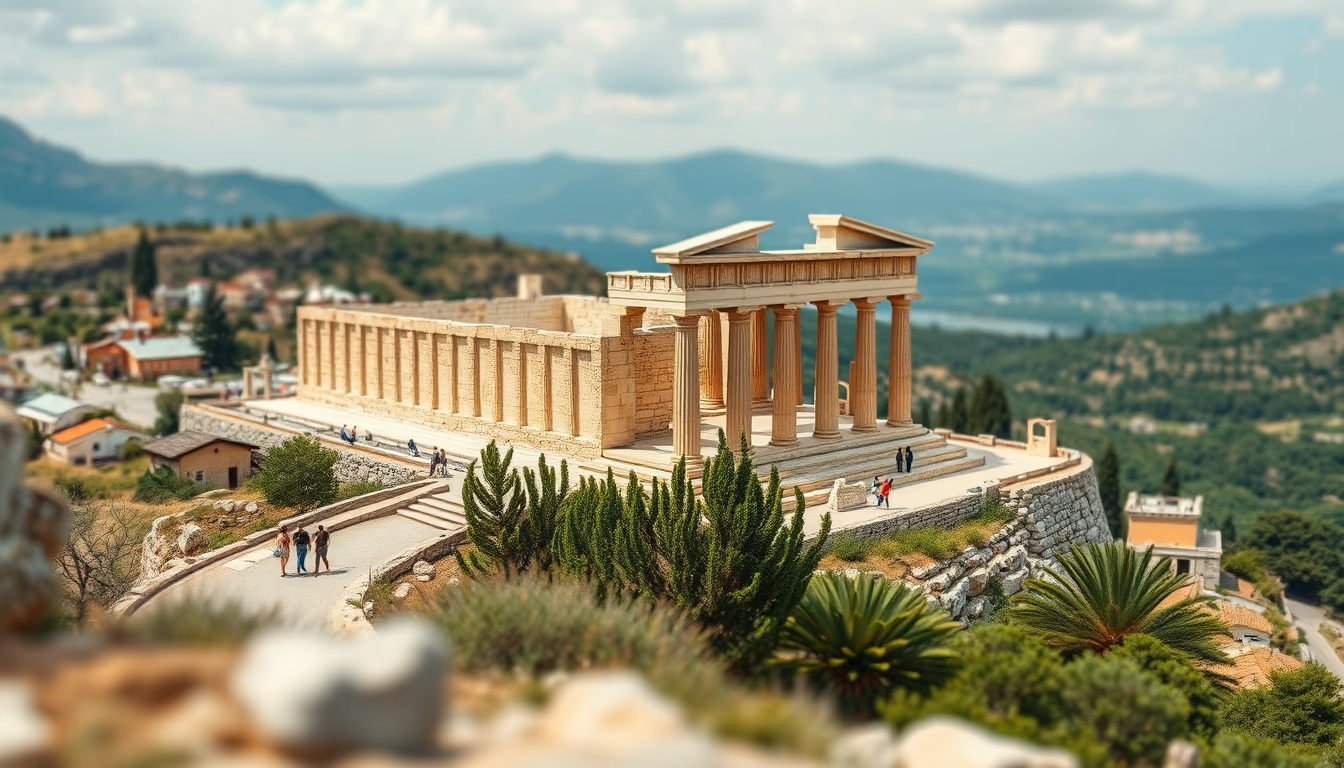
Thermopylae greek pass
1344×768 · AVIF · CC BY 4.0

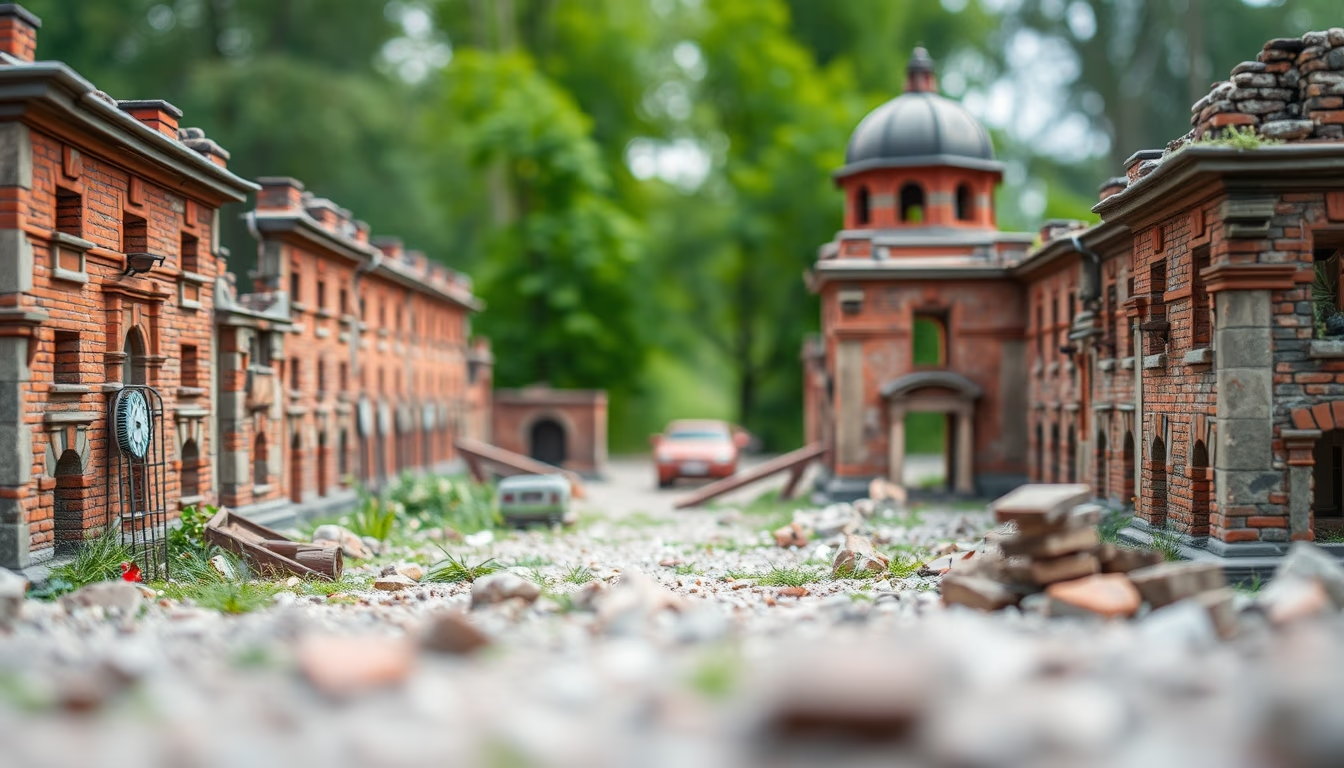
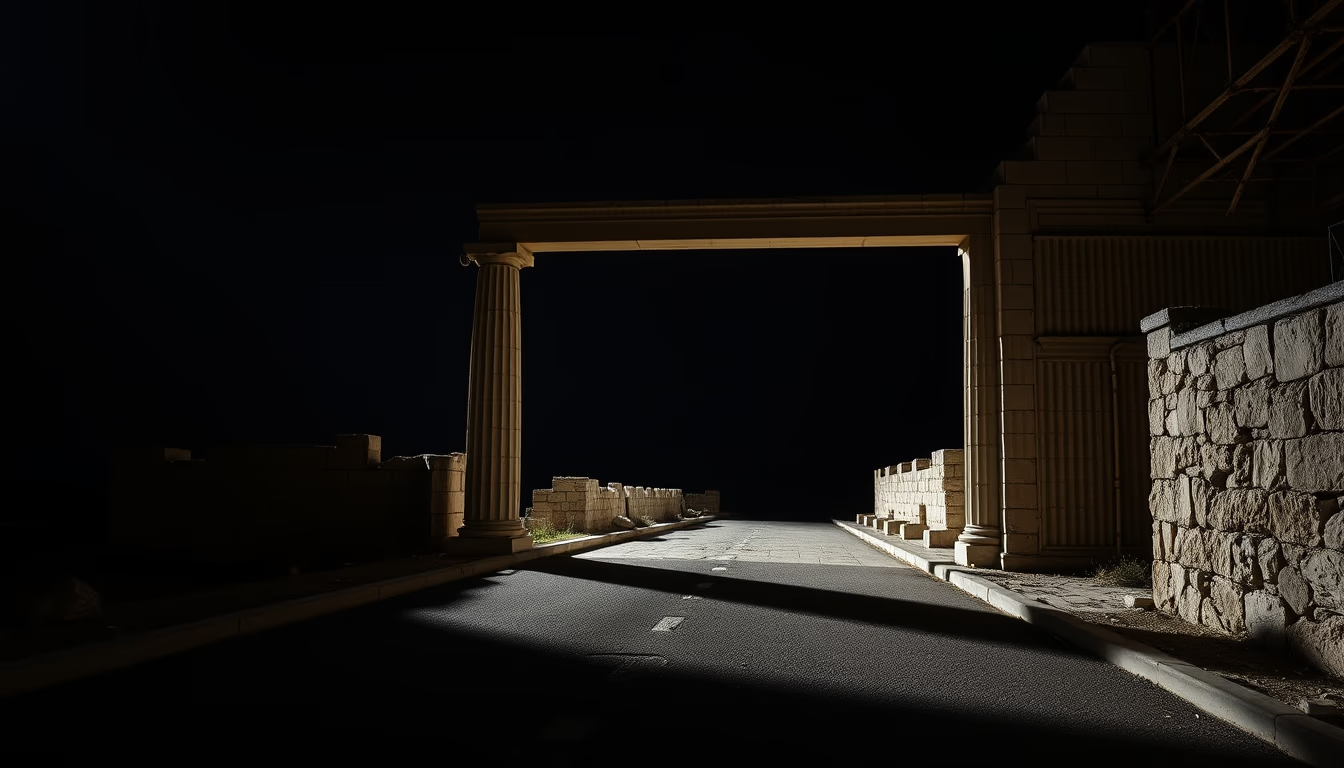
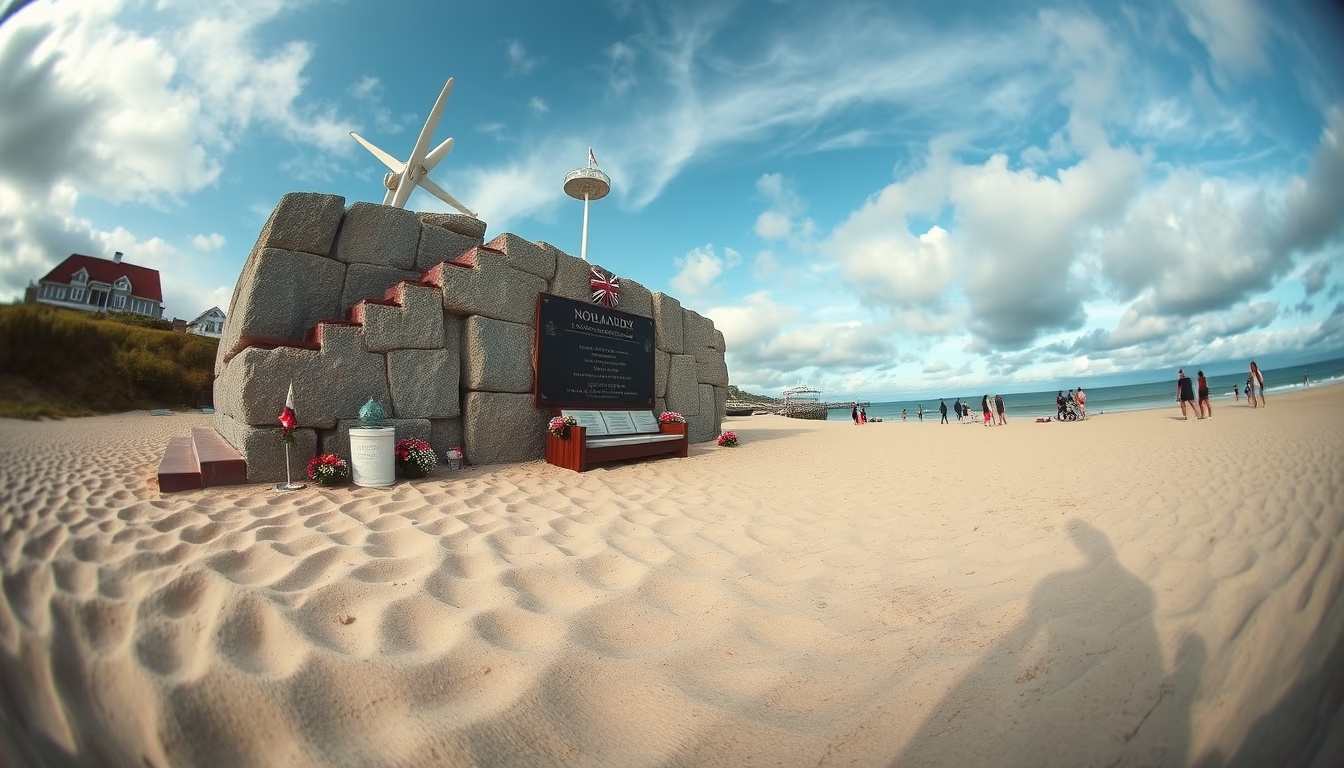
Thermopylae, a narrow pass in central Greece, was the site of the famous battle between Greeks and Persians in 480 BC, a landmark of Spartan resistance.
About this subject
Thermopylae, whose name means "Hot Gates" due to the nearby sulfurous hot springs, is a narrow coastal pass between Mount Callidromo and the Malian Gulf. In antiquity, its width was only a few meters, making it a strategic choke point for access to southern Greece. Today, silt deposition has widened the plain, but the landscape still evokes the historical setting.
In 480 BC, during the Second Greco-Persian War, the Spartan king Leonidas led a allied force of about 7,000 men, including 300 Spartans, against the Persian army of Xerxes I, estimated in the hundreds of thousands. After three days of fighting, the Greeks were betrayed by Ephialtes, who revealed a secret mountain path, the Anopaia. Leonidas then dismissed most of the army, remaining with his 300 Spartans, 700 Thespians, and 400 Thebans to cover the retreat. All perished, but their resistance inspired Greek unity and subsequent victories at Salamis and Plataea.
Today, the site features a monument to Leonidas and his soldiers, erected in 1955, bearing the inscribed epitaph: "Ω ξειν', αγγέλλειν Λακεδαιμονίοις ότι τήδε κείμεθα, τοις κείνων ρήμασι πειθόμενοι" ("Go tell the Spartans, stranger passing by, that here, obedient to their laws, we lie"). The archaeological site includes remnants of Phocian walls and a replica of the Leonidas statue in Sparta. Tourists and historians visit the area to recreate the battle's topography and reflect on its cultural significance as a symbol of sacrifice and courage.
Frequently Asked Questions
Where is the pass of Thermopylae located?
Thermopylae is located in central Greece, between Mount Callidromo and the Malian Gulf, along the Aegean coast. The modern national road passes near the historical site.
How many soldiers took part in the Battle of Thermopylae?
The Greek forces initially numbered about 7,000 men, including 300 Spartans. The Persian army, according to ancient sources, ranged from 100,000 to 300,000, but modern estimates suggest between 70,000 and 150,000.
What does the name Thermopylae mean?
Thermopylae means "Hot Gates" in Greek, a reference to the sulfurous hot springs found in the area. These springs are still visible today and are a tourist attraction.
Direct URL
https://pub-c7d6a6ea828543ac903a74a341ccb2e1.r2.dev/imagens/thermopylae-greek-pass-lo-fi-disposable-camera-fresh11.avifHow to credit
Include a visible link back to UtilizAí. Copy one of the snippets below:
<a href="https://xn--utiliza-eza.com/en/midia/imagens/thermopylae-greek-pass-lo-fi-disposable-camera-fresh11">Thermopylae greek pass</a> by <a href="https://xn--utiliza-eza.com">UtilizAí</a>, licensed under <a href="https://creativecommons.org/licenses/by/4.0/">CC BY 4.0</a>.
[Thermopylae greek pass](https://xn--utiliza-eza.com/en/midia/imagens/thermopylae-greek-pass-lo-fi-disposable-camera-fresh11) by [UtilizAí](https://xn--utiliza-eza.com), CC BY 4.0
License: CC-BY-4.0