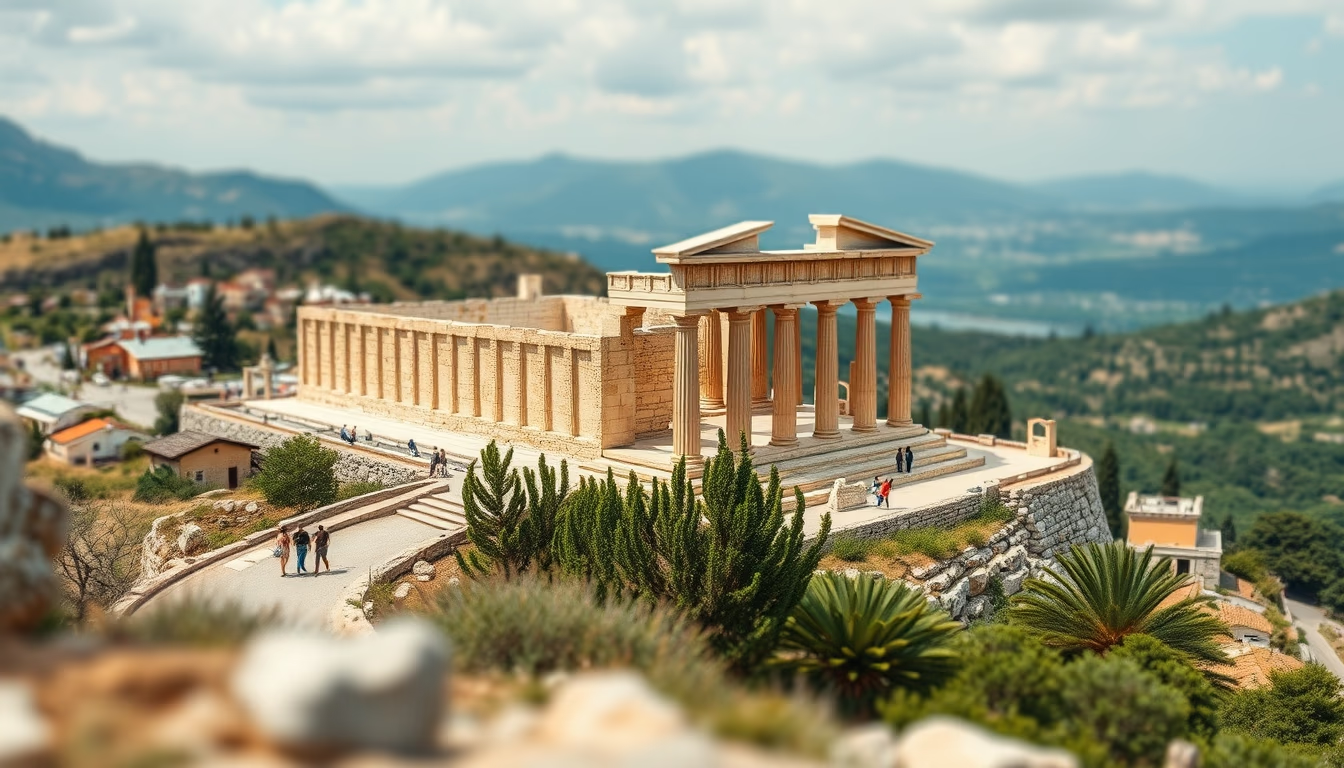
Thermopylae greek pass
1344×768 · AVIF · CC BY 4.0
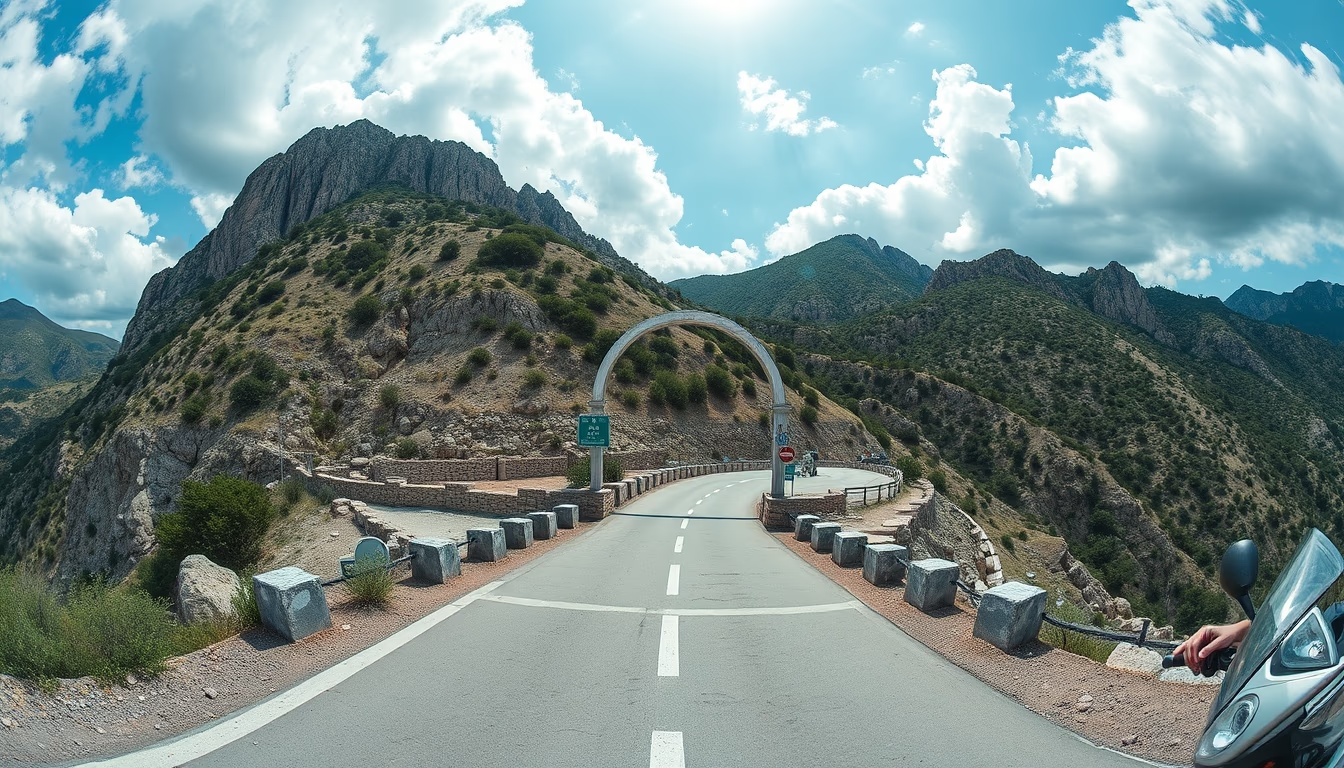
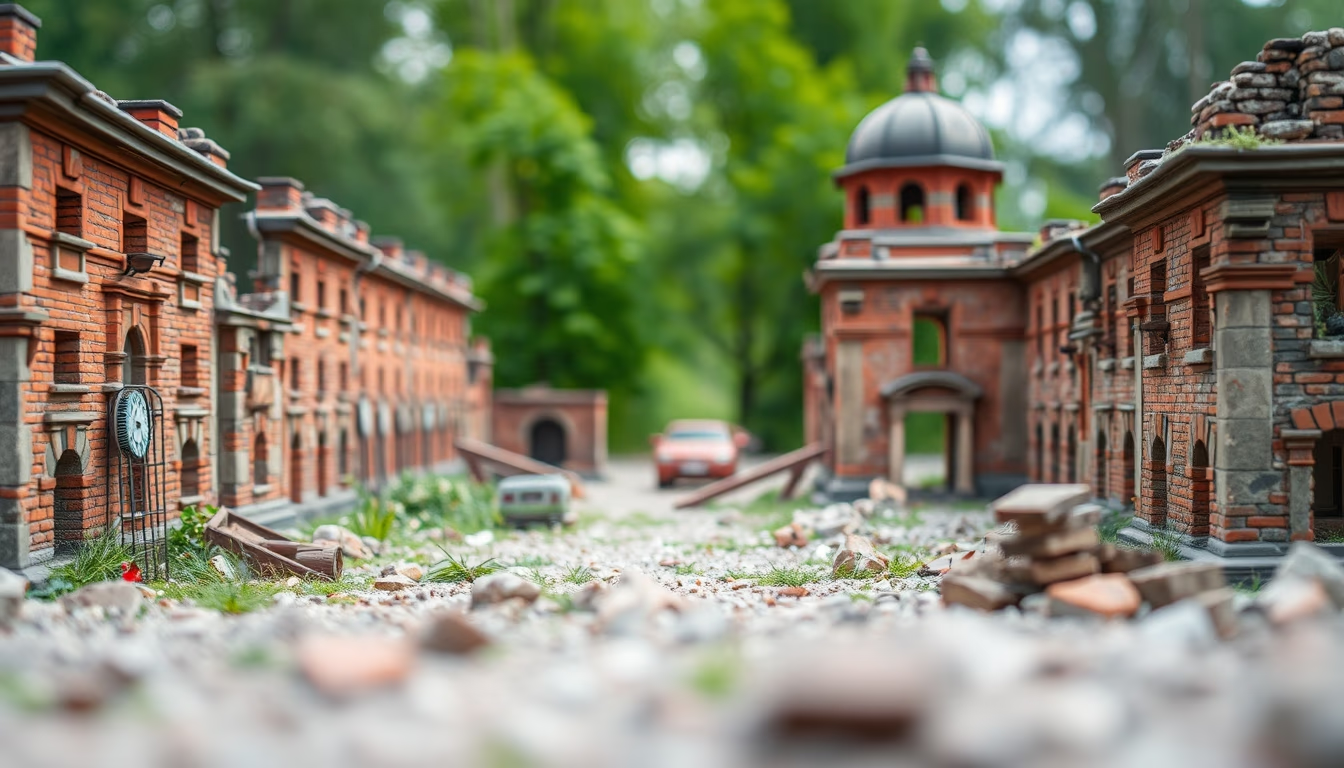
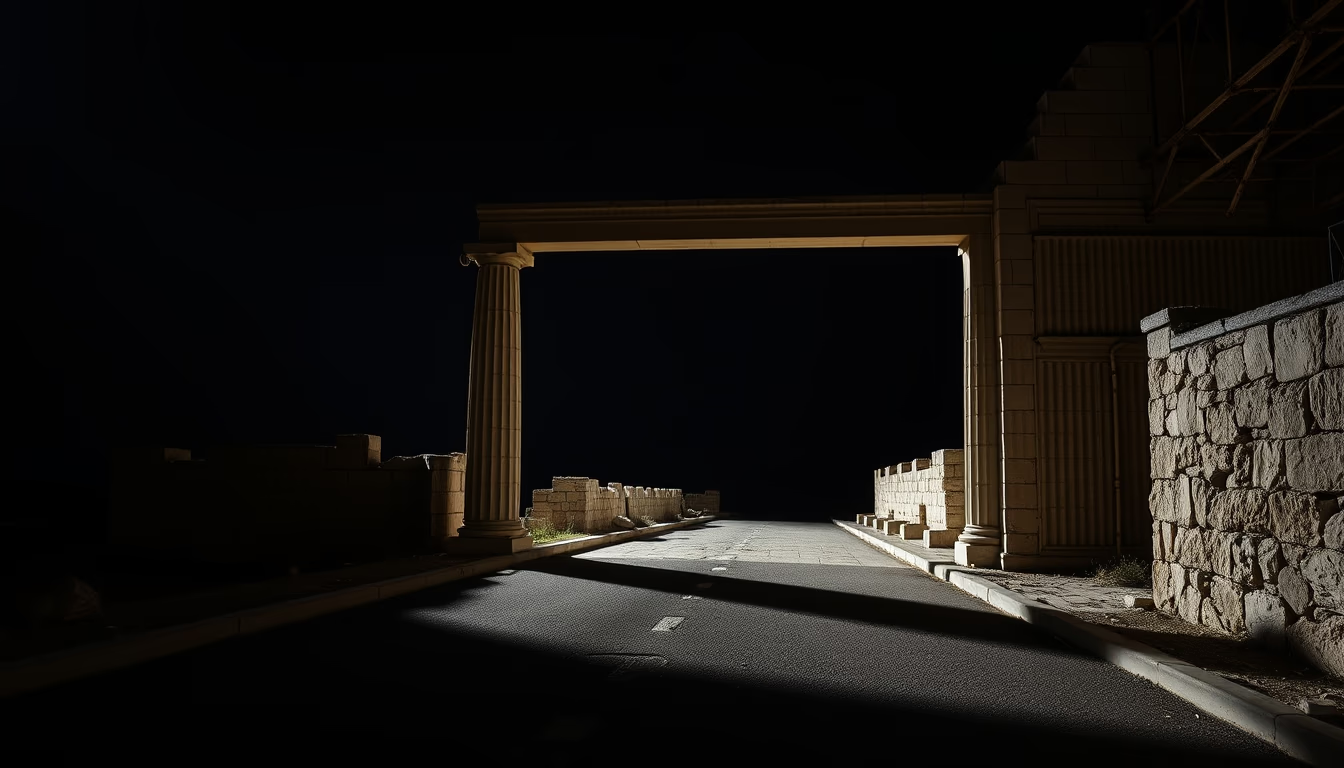
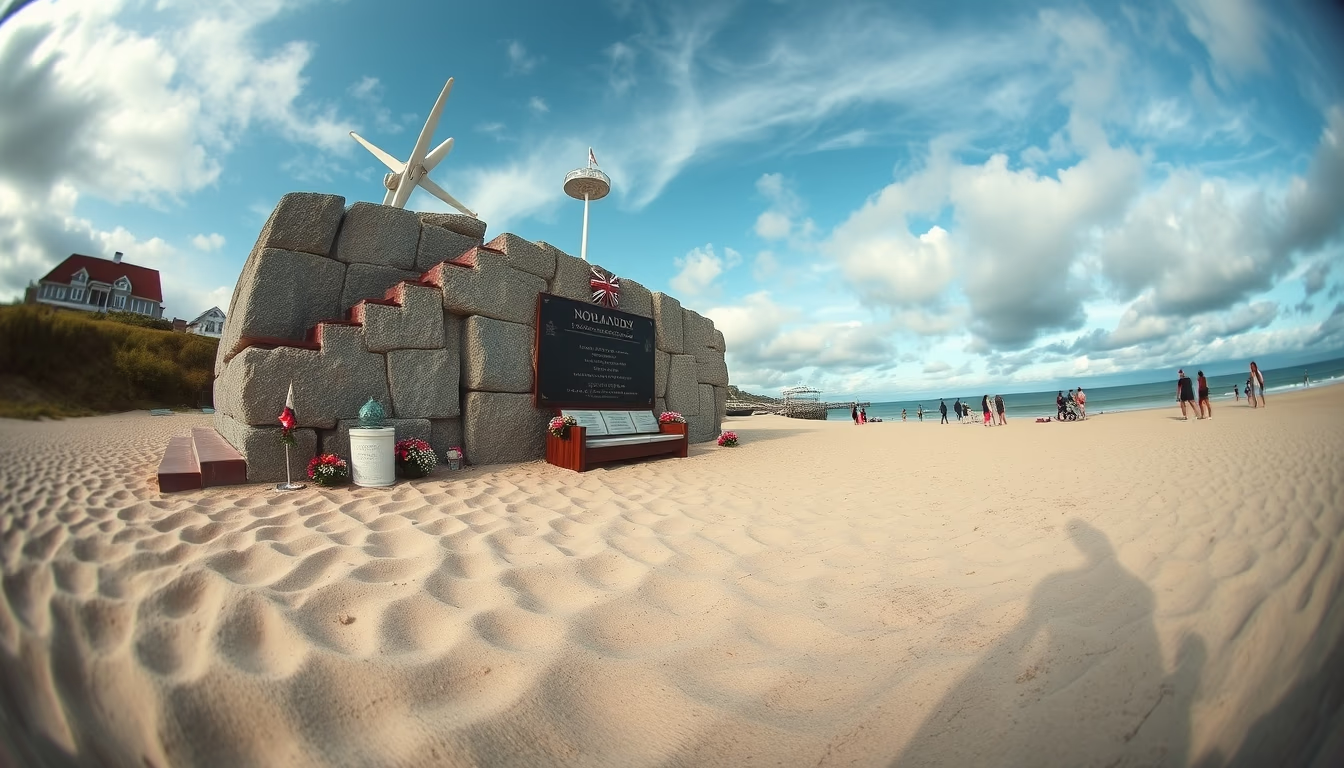
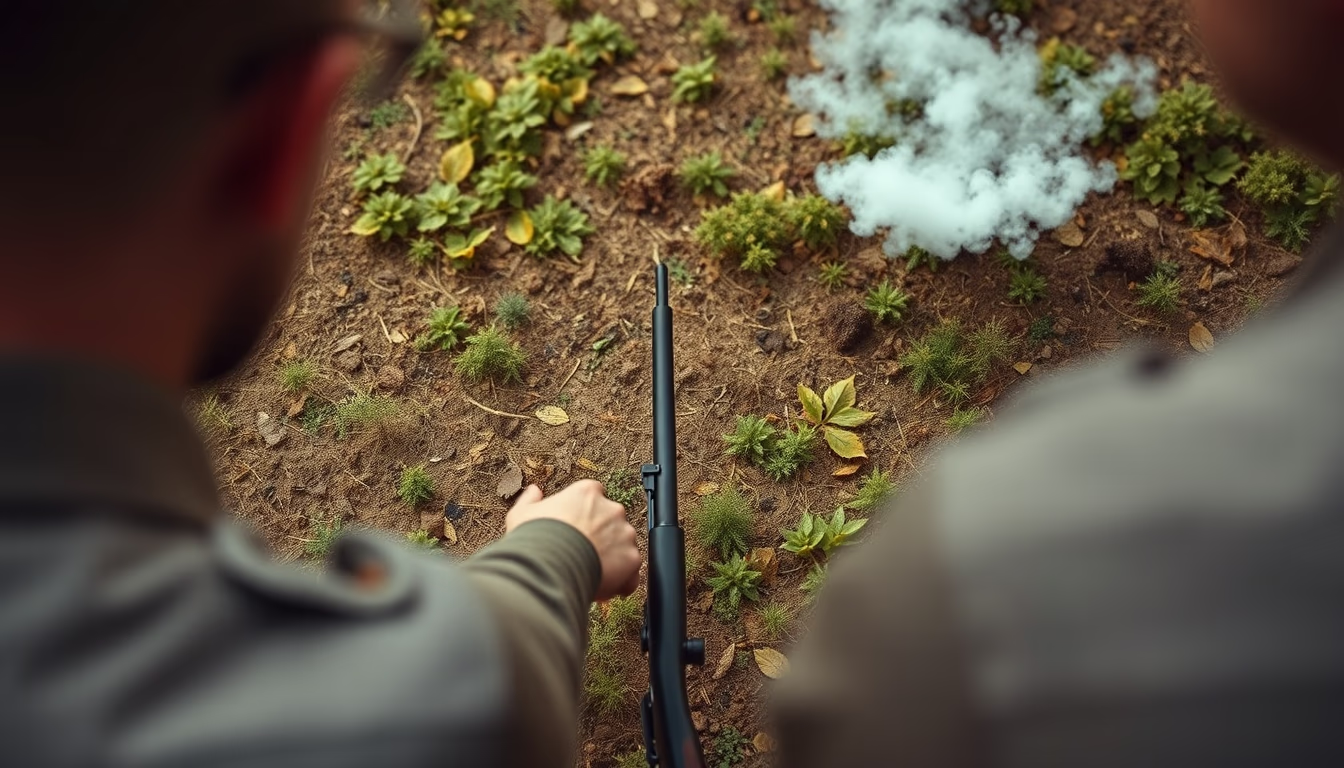
The Thermopylae pass in central Greece was the site of the legendary 480 BC battle between Greeks and Persians.
About this subject
The Thermopylae pass is a narrow coastal corridor in central Greece, about 150 km north of Athens. Its name means "hot gates," referencing the sulfur hot springs found there. Geographically, the pass lies between the Malian Gulf and Mount Kallidromon, a key chokepoint connecting Thessaly to central Greece. In antiquity, the pass was only a few meters wide, though sediment deposition over millennia has widened the coastal plain.
Historically, the site is famous for the Battle of Thermopylae in 480 BC during the Greco-Persian Wars. The Spartan king Leonidas led a combined Greek force of roughly 7,000 soldiers against the Persian army of Xerxes I, estimated at hundreds of thousands. For three days, the Greeks held the pass due to its narrowness, negating the Persian numerical advantage. The betrayal by a local Greek named Ephialtes revealed a mountain path that outflanked the defenders, leading to the Greek defeat. Despite the loss, the stand became a symbol of courage and sacrifice.
In modern culture, Thermopylae is frequently referenced as an example of military heroism. The site is a tourist destination, featuring a monument to Leonidas and a plaque with Simonides' epitaph: "Go tell the Spartans, stranger passing by, that here, obedient to their laws, we lie." The current landscape does not exactly match the ancient one due to geological changes, but it still evokes the epic setting. Nearby hot springs and the Archaeological Museum of Thermopylae enhance the historical visit.
Frequently Asked Questions
Where is the Thermopylae pass located?
It is in central Greece, about 150 km north of Athens, between the Malian Gulf and Mount Kallidromon.
Why is the Battle of Thermopylae so famous?
Because a small Greek army, led by Leonidas, held off the massive Persian army for three days, becoming a symbol of courage and sacrifice.
How has the landscape of Thermopylae changed since antiquity?
Sediment deposition has widened the coastal plain, making the pass much wider than it was during the battle.
Direct URL
https://pub-c7d6a6ea828543ac903a74a341ccb2e1.r2.dev/imagens/thermopylae-greek-pass-fish-eye-wide-angle-fresh15.avifHow to credit
Include a visible link back to UtilizAí. Copy one of the snippets below:
<a href="https://xn--utiliza-eza.com/en/midia/imagens/thermopylae-greek-pass-fish-eye-wide-angle-fresh15">Thermopylae greek pass</a> by <a href="https://xn--utiliza-eza.com">UtilizAí</a>, licensed under <a href="https://creativecommons.org/licenses/by/4.0/">CC BY 4.0</a>.
[Thermopylae greek pass](https://xn--utiliza-eza.com/en/midia/imagens/thermopylae-greek-pass-fish-eye-wide-angle-fresh15) by [UtilizAí](https://xn--utiliza-eza.com), CC BY 4.0
License: CC-BY-4.0