Thermopylae greek pass
1344×768 · AVIF · CC BY 4.0
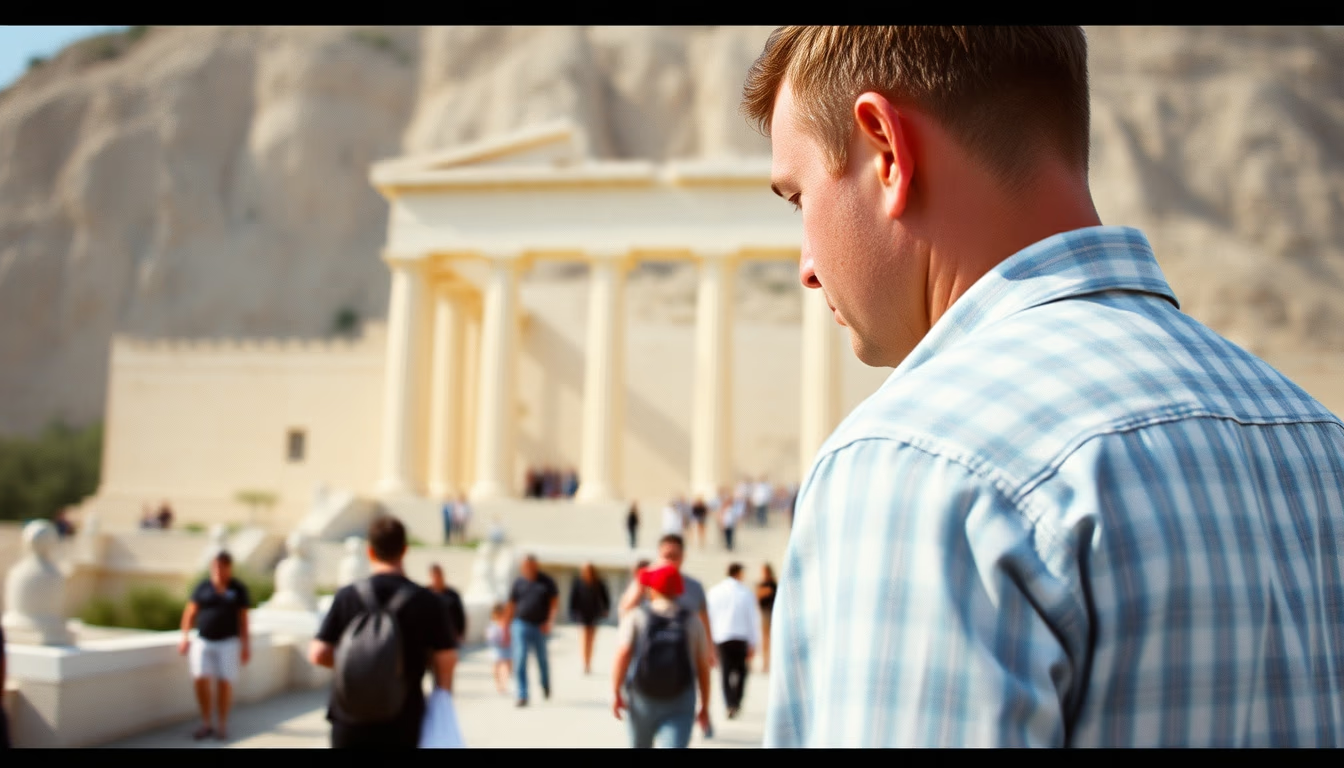
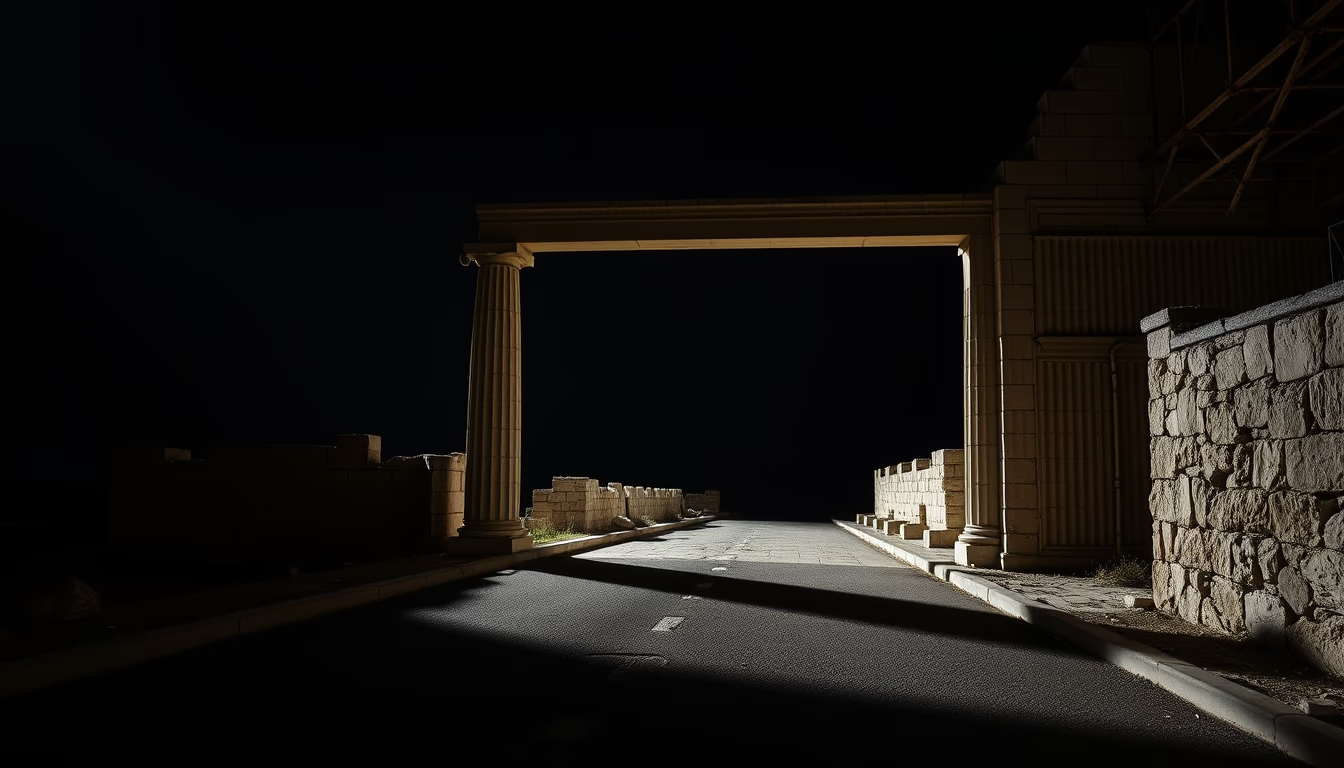
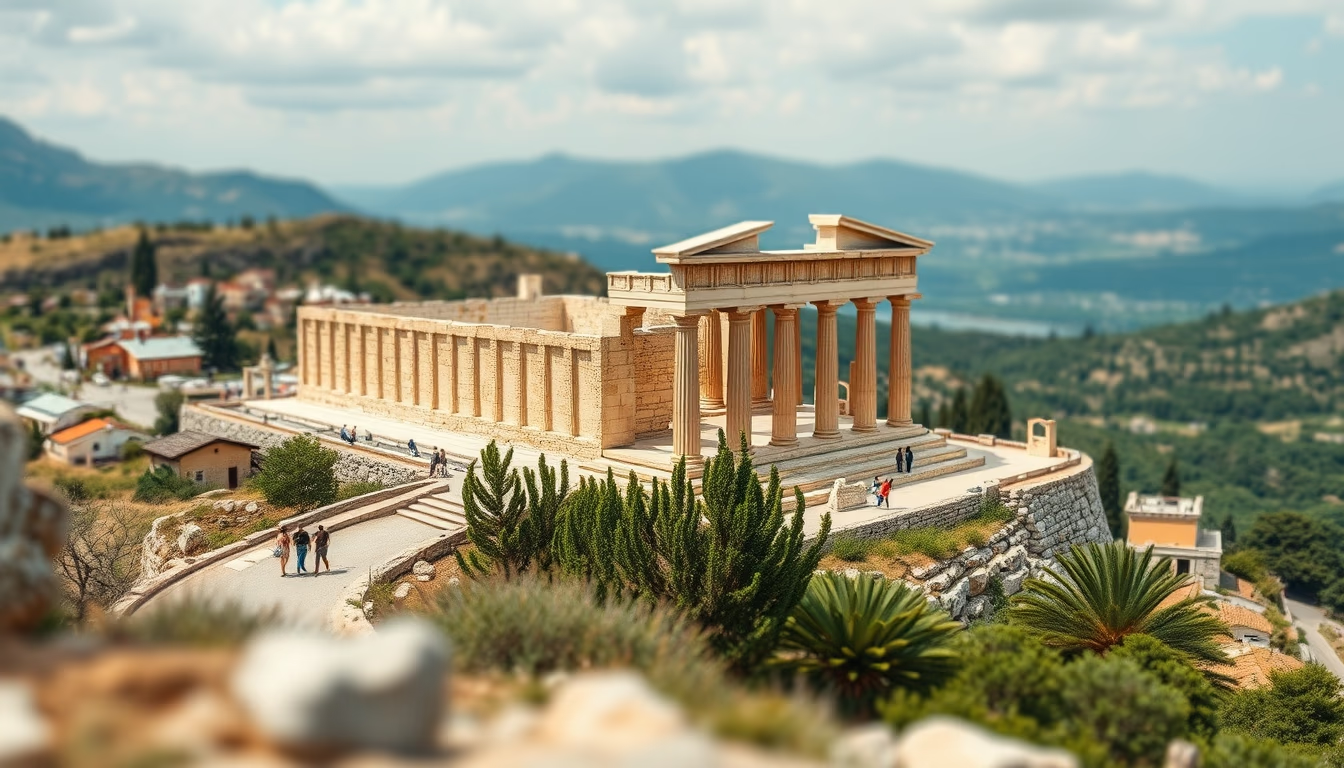
Thermopylae, a narrow coastal pass in central Greece, was the site of the legendary 480 BC battle between Greek city-states and the Persian Empire.
About this subject
Located in the region of Phocis, the pass of Thermopylae was a strategic route connecting Thessaly to central Greece. Its name, meaning "hot gates," derives from the nearby sulfurous hot springs. Geographically, the narrow corridor was flanked by steep mountains on one side and the Malian Gulf on the other, creating a natural bottleneck ideal for defense against numerically superior forces.
In 480 BC, during the second Persian invasion of Greece, the Spartan king Leonidas led a small allied force of about 7,000 soldiers against the massive Persian army of Xerxes I, estimated in the hundreds of thousands. For three days, the Greeks repelled Persian assaults, but were betrayed by a local shepherd, Ephialtes, who revealed a mountain path that outflanked the Greek position. Surrounded, Leonidas dismissed most of the troops, remaining with 300 Spartans and a few other allies in a last stand.
The battle became an enduring symbol of courage, sacrifice, and defense of liberty against tyranny, influencing Western culture for millennia. The site has undergone significant geographical changes over the centuries due to sedimentation from the Spercheios River, which widened the coastal plain. Today, the archaeological site features modern monuments, including a statue of Leonidas and a plaque with Simonides' epitaph: "Go tell the Spartans, stranger passing by, that here, obedient to their laws, we lie."
Frequently Asked Questions
How many Spartan soldiers actually fought at Thermopylae?
According to ancient sources like Herodotus, Leonidas led 300 Spartans, but there were also about 700 Thespians, 400 Thebans, and other allies, totaling approximately 7,000 Greek soldiers.
Does the Pass of Thermopylae exist today?
Yes, but its geography has changed. Sediment deposition from the Spercheios River has widened the coastal plain, making the original pass unrecognizable. The current site is a historical area with monuments.
What was the role of the traitor Ephialtes?
Ephialtes, a local shepherd, revealed a secret mountain path to the Persians, allowing them to surround the Greeks. His betrayal was decisive for the defeat, and his name became synonymous with traitor in Greek.
Direct URL
https://pub-c7d6a6ea828543ac903a74a341ccb2e1.r2.dev/imagens/thermopylae-greek-pass-film-grain-authentic-fresh10.avifHow to credit
Include a visible link back to UtilizAí. Copy one of the snippets below:
<a href="https://xn--utiliza-eza.com/en/midia/imagens/thermopylae-greek-pass-film-grain-authentic-fresh10">Thermopylae greek pass</a> by <a href="https://xn--utiliza-eza.com">UtilizAí</a>, licensed under <a href="https://creativecommons.org/licenses/by/4.0/">CC BY 4.0</a>.
[Thermopylae greek pass](https://xn--utiliza-eza.com/en/midia/imagens/thermopylae-greek-pass-film-grain-authentic-fresh10) by [UtilizAí](https://xn--utiliza-eza.com), CC BY 4.0
License: CC-BY-4.0