Telegraph machine ticker
1344×768 · AVIF · CC BY 4.0
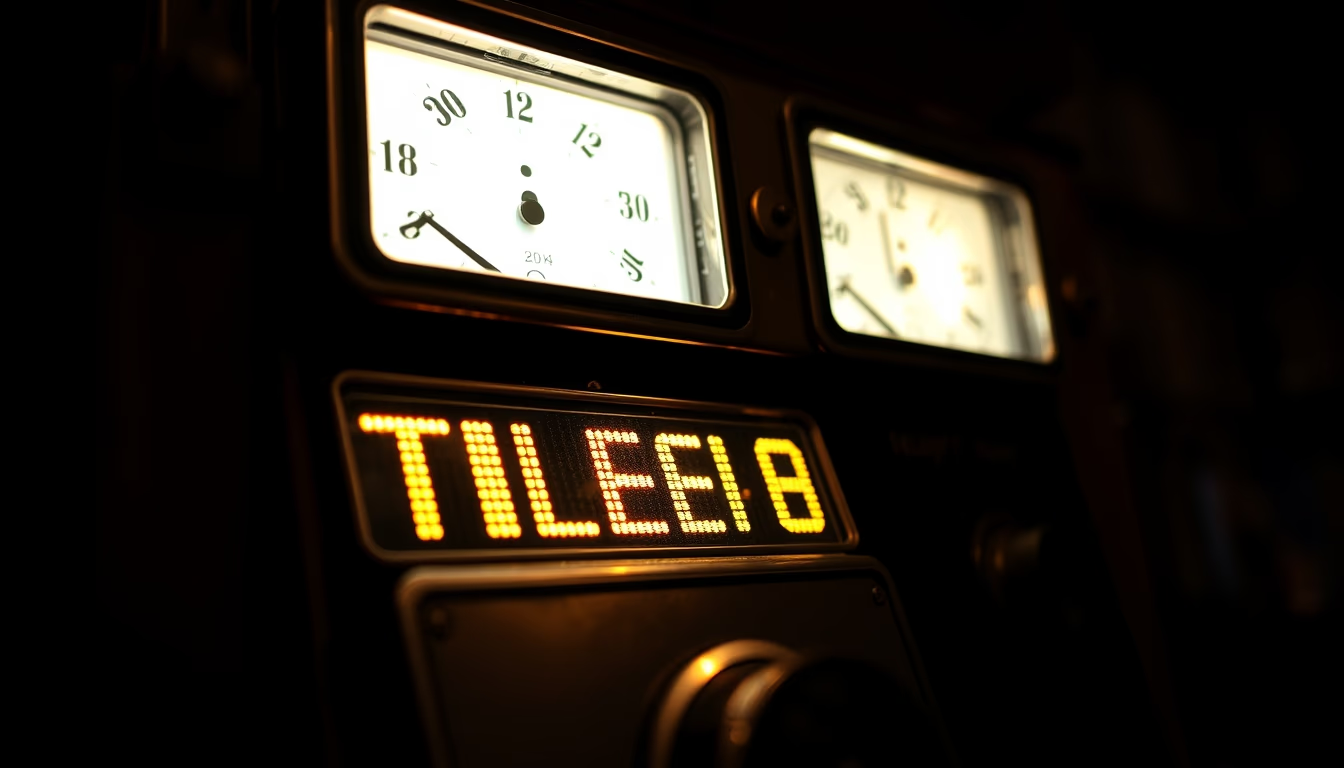
The telegraph ticker, invented in 1867, revolutionized real-time transmission of stock quotes and financial news.
About this subject
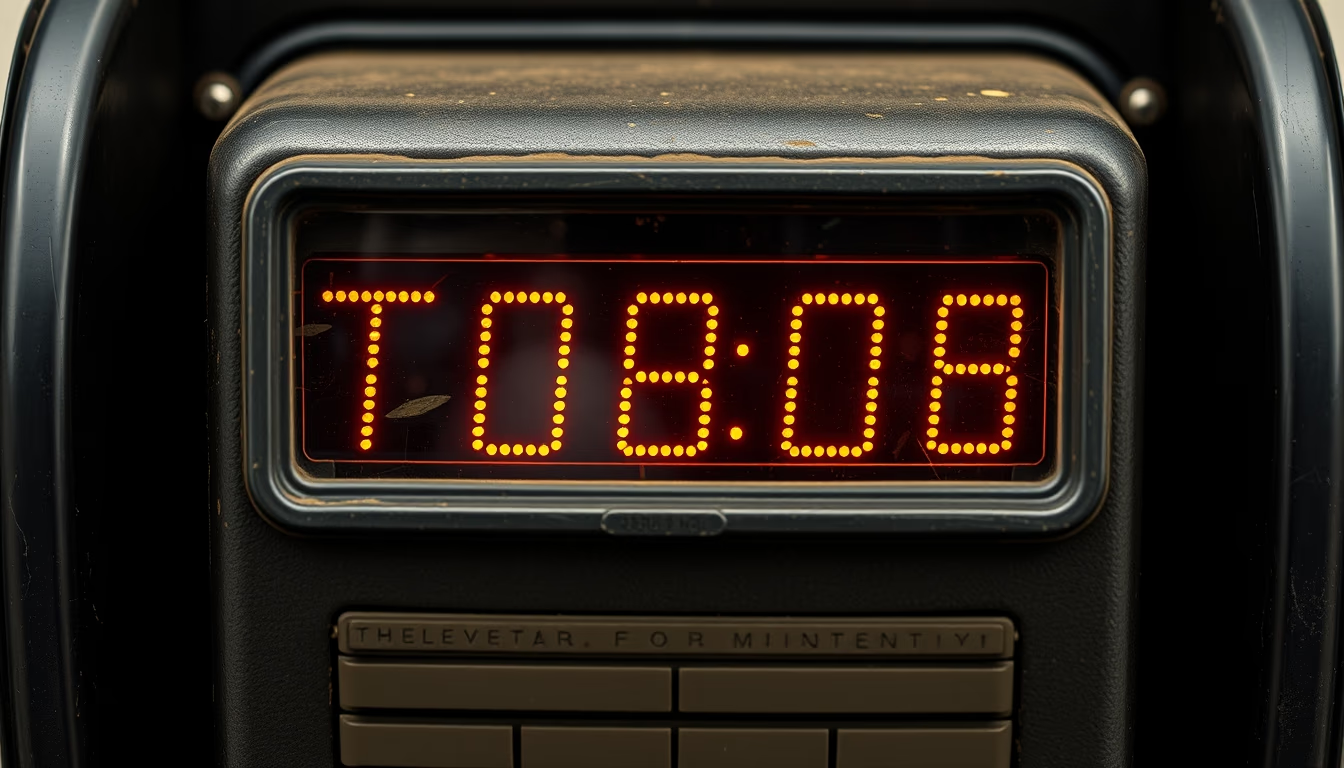
The telegraph ticker, also known as a printing telegraph, was one of the first devices to allow instant transmission of financial information. Invented by Edward A. Calahan in 1867, the machine used the electric telegraph system to print stock quotes on a strip of paper. Before its invention, stock price information took hours or even days to reach investors, often carried by carrier pigeons or horseback messengers. The first tickers were installed at the New York Stock Exchange (NYSE), radically transforming the speed and transparency of the market.
Each ticker was connected to a central telegraph line that received data from an operator at the exchange. Upon receiving the signal, the ticker's internal mechanism activated a type wheel that pressed against the paper, printing stock symbols and prices. The rhythmic sound of the printing gave rise to the term "ticker tape," later associated with New York ticker-tape parades. Companies like Western Union and Thomas A. Edison, Inc. manufactured these devices, with Edison even patenting design improvements.
With technological advancements, mechanical tickers were gradually replaced by electronic versions in the 1960s. Today, the term "ticker" persists in the digital realm, referring to real-time price scrolls on websites and television. Though obsolete, original telegraph tickers are museum pieces representing a milestone in communication and finance history. Interestingly, ticker tape gave rise to the term "tape reading," a technique used by professional traders to analyze order flow.
The manufacture of these devices required mechanical precision: gears, springs, and electromagnets worked together to ensure fast and legible printing. Models like the Western Union "Universal Stock Ticker" could print up to 400 characters per minute, an impressive speed at the time. Despite being noisy and prone to jams, they were the precursors of modern financial information displays, forever changing how the world follows markets.
Frequently Asked Questions
How did the telegraph ticker work?
The ticker received electrical signals from a central telegraph line. These signals triggered a type wheel that pressed against a paper tape, printing stock quotes in real time.
Who invented the telegraph ticker?
The ticker was invented by Edward A. Calahan in 1867, an employee of the American Telegraph Company. Later, Thomas Edison improved the design.
Why is ticker tape used in parades?
Ticker tape became a symbol of celebration in New York. The first parade with ticker tape confetti occurred in 1886, and the tradition continues today for major events.
Direct URL
https://pub-c7d6a6ea828543ac903a74a341ccb2e1.r2.dev/imagens/telegraph-machine-ticker-fine-art-photography-fresh14.avifHow to credit
Include a visible link back to UtilizAí. Copy one of the snippets below:
<a href="https://xn--utiliza-eza.com/en/midia/imagens/telegraph-machine-ticker-fine-art-photography-fresh14">Telegraph machine ticker</a> by <a href="https://xn--utiliza-eza.com">UtilizAí</a>, licensed under <a href="https://creativecommons.org/licenses/by/4.0/">CC BY 4.0</a>.
[Telegraph machine ticker](https://xn--utiliza-eza.com/en/midia/imagens/telegraph-machine-ticker-fine-art-photography-fresh14) by [UtilizAí](https://xn--utiliza-eza.com), CC BY 4.0
License: CC-BY-4.0