Telegram paper yellow
1344×768 · AVIF · CC BY 4.0
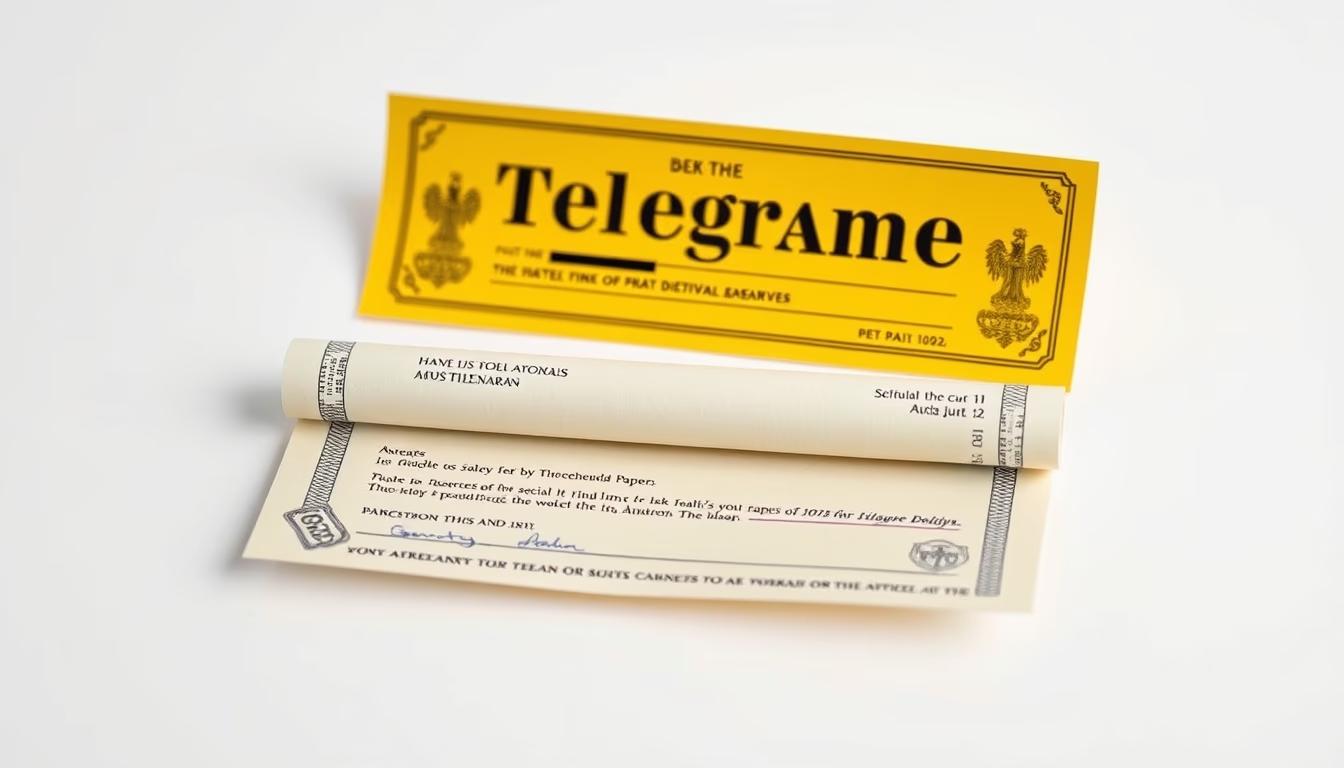
The yellow telegram paper, an icon of 20th-century communication, carries history and nostalgia in its color and texture.
About this subject
The yellow telegram paper became a globally recognized symbol, associated with urgent and important messages transmitted by telegraph services. Originally printed on white paper, from the late 19th century Western Union and other companies adopted yellow to make messages stand out visually. Yellow was chosen for its readability under artificial light and better resistance to frequent handling. The light tone also helped mask natural paper yellowing over time.
The typical telegram format included a header with the company name, date, and word count, followed by the message in capital letters. The paper was thin and lightweight, optimized for fast telegraph transmission and subsequent delivery. Yellow telegrams carried news of births, deaths, commercial orders, and declarations of war. During both world wars, millions of yellow telegrams crossed borders, delivering life-changing news.
In Brazil, the telegraph service was introduced in 1852 and operated for over a century. The yellow telegram is embedded in popular culture, appearing in films, books, and the collective memory of generations. Although telegraphy has been largely replaced by email and instant messaging, the yellow paper remains a historical artifact valued by collectors. Its slightly rough texture and vibrant color evoke an era when every word counted and was charged by the cent.
Interestingly, the phrase "to receive a telegram" acquired a figurative meaning of shocking or unexpected news, perpetuating the legacy of this simple piece of paper. Today, reproductions of yellow telegram paper are used in retro decor and themed products, keeping alive the aesthetic of a transformative era of global communication.
Frequently Asked Questions
Why was telegram paper yellow?
Yellow paper was chosen for practical reasons: it was easier to read under artificial light, resisted handling better, and the light tone masked natural paper yellowing. Companies like Western Union standardized the color to make telegrams visually distinct.
Is yellow telegram paper still used today?
Traditional telegram service has virtually disappeared with digital communications. However, yellow paper is still produced for nostalgic, collectible, or decorative purposes.
What is the difference between a telegram and a telephone?
A telegram was a written message transmitted via Morse code over telegraph, while the telephone allows real-time conversation. Telegrams were slower and more expensive per word but left a physical record.
Direct URL
https://pub-c7d6a6ea828543ac903a74a341ccb2e1.r2.dev/imagens/telegram-paper-yellow-commercial-product-photography-fresh14.avifHow to credit
Include a visible link back to UtilizAí. Copy one of the snippets below:
<a href="https://xn--utiliza-eza.com/en/midia/imagens/telegram-paper-yellow-commercial-product-photography-fresh14">Telegram paper yellow</a> by <a href="https://xn--utiliza-eza.com">UtilizAí</a>, licensed under <a href="https://creativecommons.org/licenses/by/4.0/">CC BY 4.0</a>.
[Telegram paper yellow](https://xn--utiliza-eza.com/en/midia/imagens/telegram-paper-yellow-commercial-product-photography-fresh14) by [UtilizAí](https://xn--utiliza-eza.com), CC BY 4.0
License: CC-BY-4.0