Tea room tatami
1344×768 · AVIF · CC BY 4.0
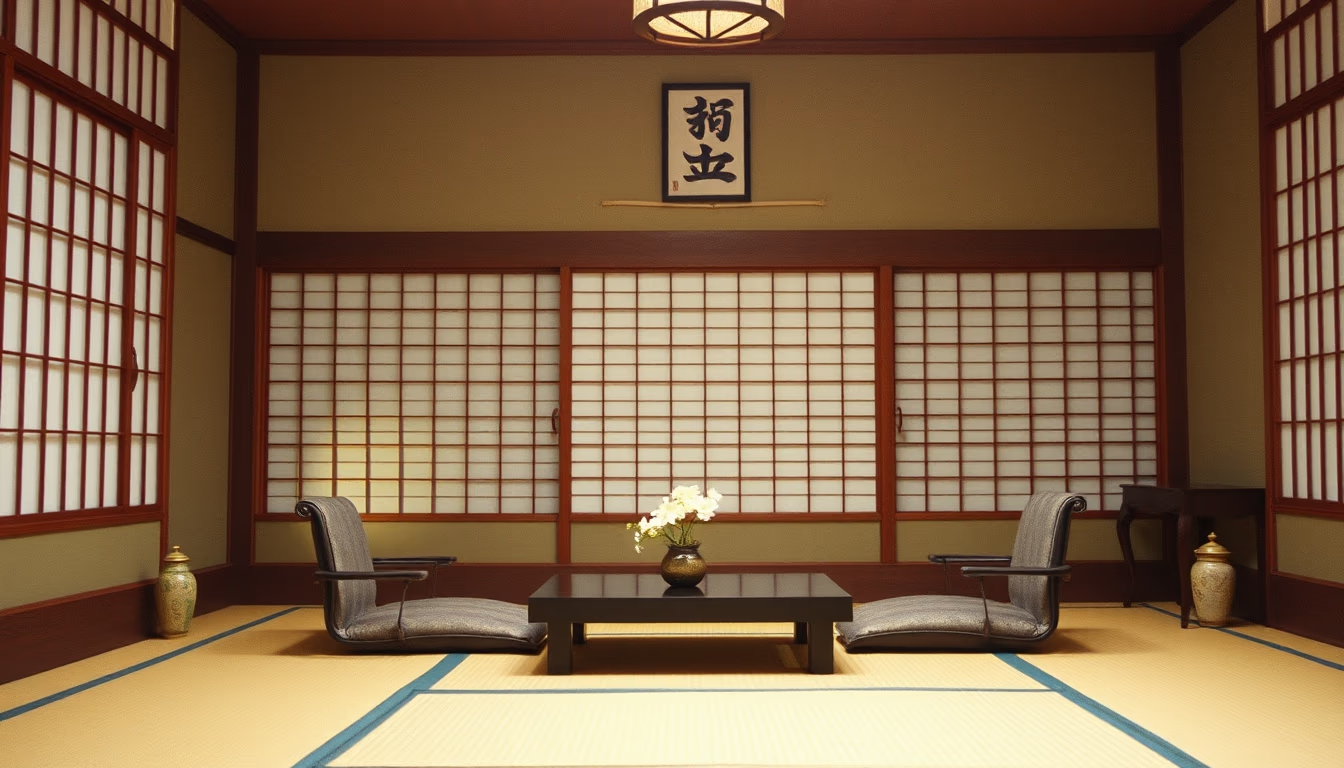
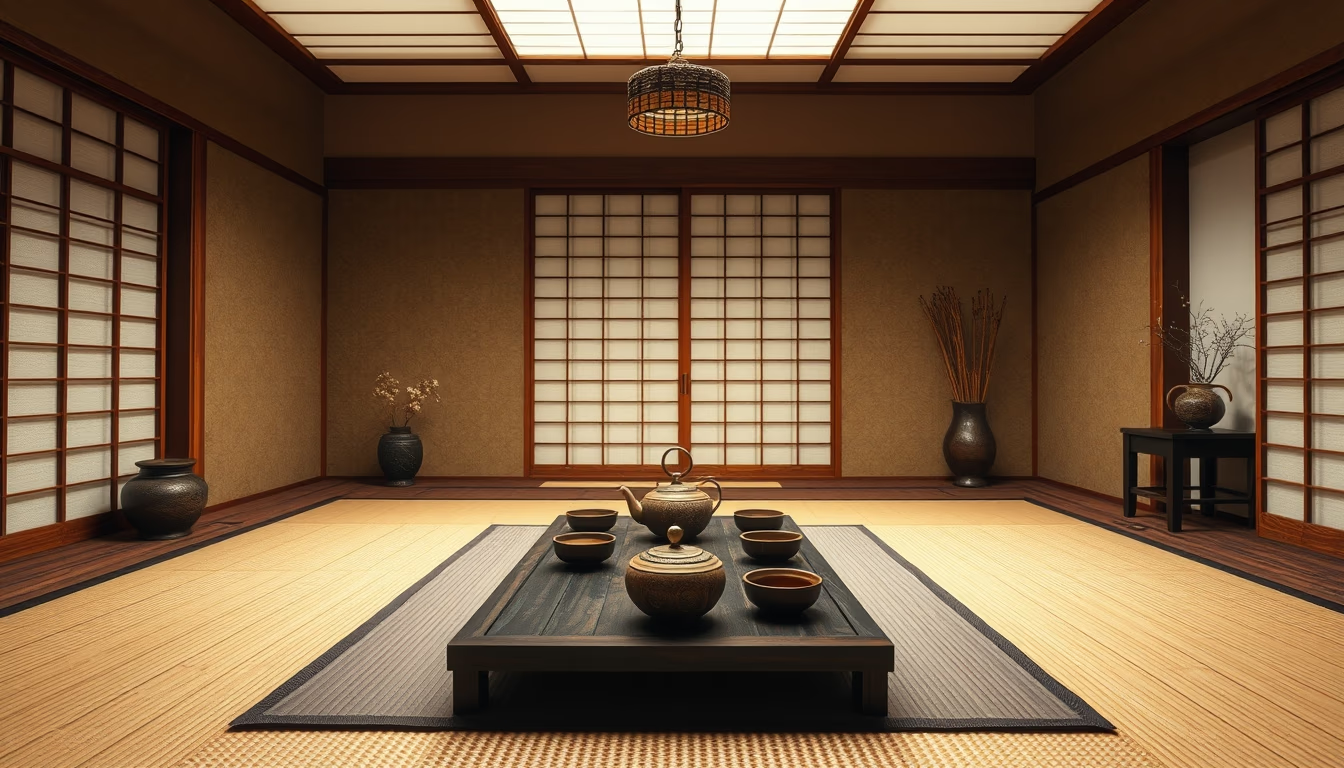
Tatami mats in a Japanese tea room: learn about the tradition of tatami in the tea ceremony, their handcrafted production, and the cultural significance of these rice straw mats.
About this subject
Tatami is a traditional Japanese mat made from woven rice straw and covered with a rush grass surface called igusa. Its origins trace back to the Heian period (794, 1185), when they were used as seating for nobility. In the tea ceremony (chanoyu), tatami is essential, defining the ritual space and etiquette. A standard tatami measures approximately 1.91 m by 0.95 m, and the tea room (chashitsu) usually has 4.5 tatami (yojohan) or fewer, creating an intimate atmosphere.
Crafting a tatami is a handmade skill. The rice straw base is compressed and stitched, then covered with woven igusa. The natural green color of igusa turns golden over time. Each year, millions of tatami are produced in Japan, mainly in regions like Okayama and Hiroshima. Tatami have insulating properties and regulate humidity, offering a soft surface for walking barefoot.
In Japanese culture, tatami influences architecture and interior design. Room dimensions are often measured in tatami. Placement follows harmony rules, avoiding patterns that form a cross, associated with bad luck. In tea ceremony, the honored seat (kamiza) is on the tatami near the tokonoma (alcove). Sitting correctly on tatami with legs folded (seiza) is fundamental in tea ceremony training.
Interestingly, tatami appears in modern settings like martial arts dojos and contemporary homes seeking a traditional touch. However, traditional production faces challenges from fewer artisans and demand for synthetic tatami. Yet, the tatami remains an enduring symbol of Japanese aesthetics and spirituality, especially within the tea ritual.
Frequently Asked Questions
Why is tatami important in the tea ceremony?
Tatami defines the ritual space and etiquette of the ceremony. It determines where to sit, how to walk, and the placement of utensils. The texture and scent of tatami contribute to the atmosphere of simplicity and harmony (wabi-sabi).
What material is traditional tatami made from?
Traditional tatami is made from compressed rice straw on the inside, covered with a woven rush grass surface (igusa). The straw provides cushioning, and igusa offers a soft, aromatic surface. Modern synthetic versions are also available.
How many tatami mats are in a typical tea room?
A traditional tea room (chashitsu) usually has 4.5 tatami (yojohan), about 8.5 m². Smaller rooms with 3 or 2 tatami are also common to create intimacy. The number of tatami influences the arrangement of guests and host.
Direct URL
https://pub-c7d6a6ea828543ac903a74a341ccb2e1.r2.dev/imagens/tea-room-tatami-lo-fi-disposable-camera-fresh17.avifHow to credit
Include a visible link back to UtilizAí. Copy one of the snippets below:
<a href="https://xn--utiliza-eza.com/en/midia/imagens/tea-room-tatami-lo-fi-disposable-camera-fresh17">Tea room tatami</a> by <a href="https://xn--utiliza-eza.com">UtilizAí</a>, licensed under <a href="https://creativecommons.org/licenses/by/4.0/">CC BY 4.0</a>.
[Tea room tatami](https://xn--utiliza-eza.com/en/midia/imagens/tea-room-tatami-lo-fi-disposable-camera-fresh17) by [UtilizAí](https://xn--utiliza-eza.com), CC BY 4.0
License: CC-BY-4.0