Tea room tatami
1344×768 · AVIF · CC BY 4.0
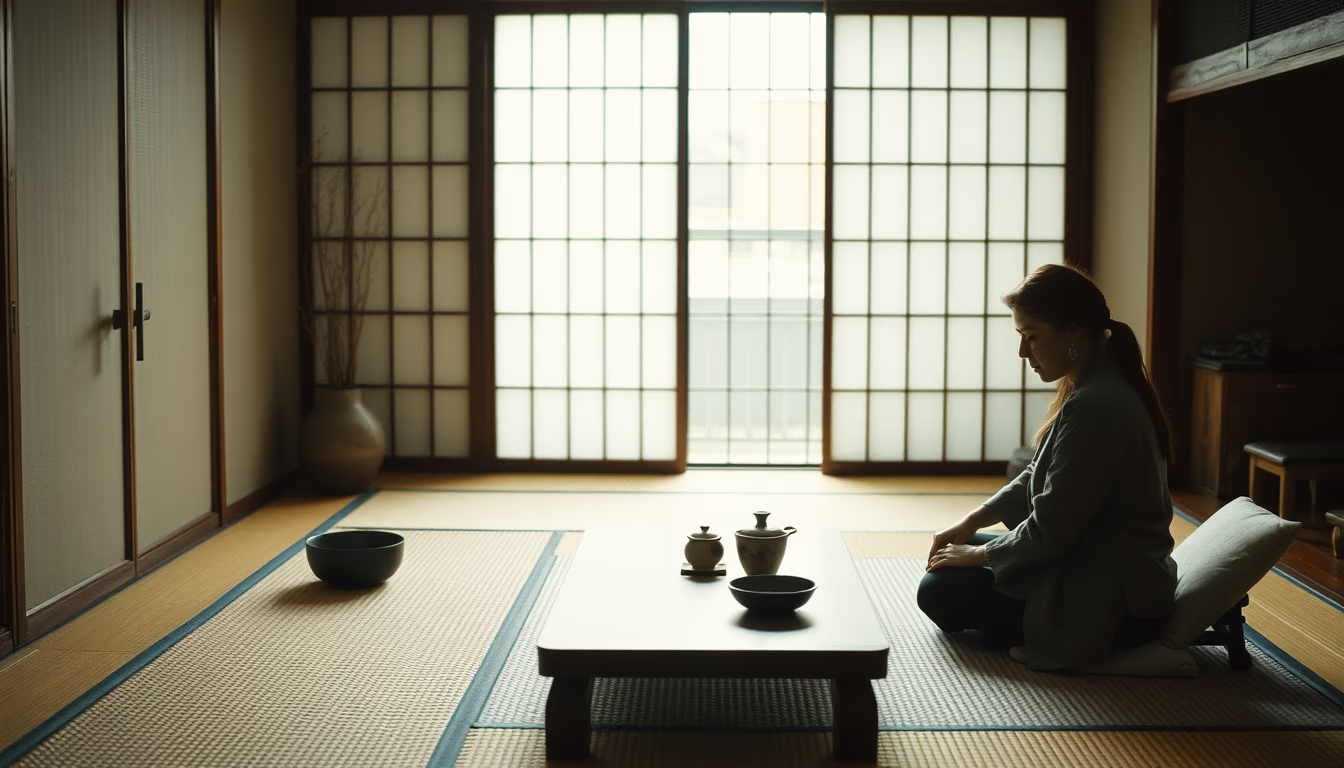
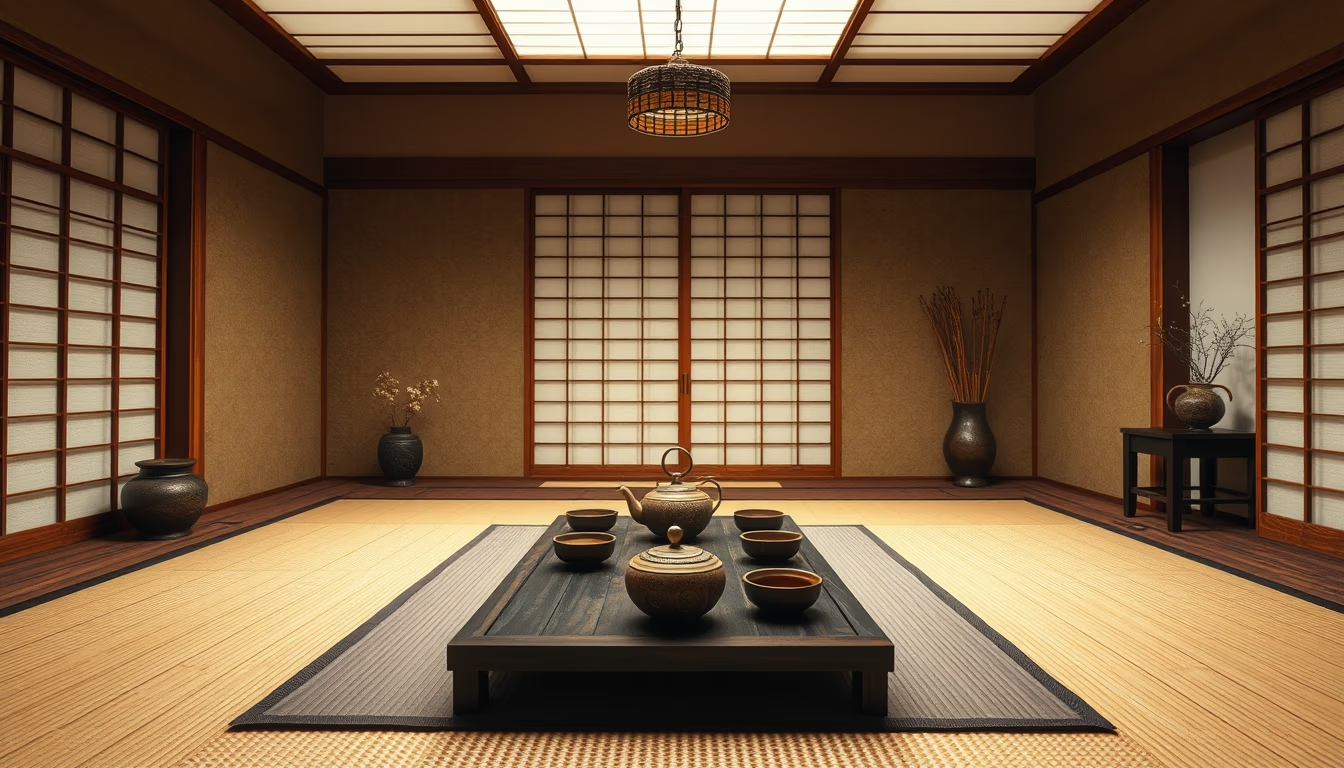
Rice straw and rush tatami mats form the traditional flooring of Japanese tea rooms, spaces that symbolize harmony and respect.
About this subject
Tatami is a central element in traditional Japanese architecture, especially in tea rooms (chashitsu). Made from a compressed rice straw core covered with a woven rush (igusa) mat, each tatami measures approximately 1.80 m by 0.90 m, with a thickness of about 5 cm. The arrangement of tatami mats defines the space and flow of movement in the tea ceremony, influencing the positioning of guests and the host.
The choice of tatami flooring is not merely aesthetic; it is rooted in centuries of tradition. During the Muromachi period (1336-1573), tea rooms were influenced by the wabi-sabi aesthetic, valuing simplicity and imperfection. Tatami, with its natural texture and scent of dried rush, contributes to the serene and introspective atmosphere required by the ceremony. Moreover, the number of tatami standardizes the room size: a typical tea room is four and a half tatami mats, dictating the scale and proportion of the space.
In a Japanese tea room, tatami is not just the floor but a guide for behavior. Guests sit on it, often in the seiza position, and must avoid stepping on the edges, which have cloth borders (heri). The dark green rush and yellowish straw contrast with the earthen walls and filtered light from paper windows, creating a contemplative environment. Tatami also absorbs sound and provides thermal insulation, making the space comfortable in different seasons.
Interestingly, tatami production follows artisanal methods that require skill. Rice straw is dried and pressed, while rush is hand-woven and then stretched over the core. Although synthetic versions exist today, traditional tatami are still preferred in authentic tea ceremonies because their slight flexibility and characteristic scent are irreplaceable. Care for tatami includes avoiding direct sunlight and cleaning with damp cloths to preserve durability.
Frequently Asked Questions
Why is tatami used in the tea ceremony?
Tatami provides a soft, natural flooring that encourages proper posture and focus. Its scent and texture contribute to the atmosphere of simplicity and harmony (wabi-sabi) essential to the tea ceremony.
What is the standard size of a tatami mat?
A traditional tatami mat measures about 1.80 m by 0.90 m, with a thickness of 5 cm. However, regional variations exist: slightly larger in eastern Japan and smaller in western Japan.
How does tatami influence the architecture of tea rooms?
The number of tatami mats determines the room size. A typical chashitsu has 4.5 tatami, with a tokonoma alcove and windows positioned to enhance natural light. The arrangement of mats guides movement flow and guest hierarchy.
Direct URL
https://pub-c7d6a6ea828543ac903a74a341ccb2e1.r2.dev/imagens/tea-room-tatami-film-grain-authentic-fresh16.avifHow to credit
Include a visible link back to UtilizAí. Copy one of the snippets below:
<a href="https://xn--utiliza-eza.com/en/midia/imagens/tea-room-tatami-film-grain-authentic-fresh16">Tea room tatami</a> by <a href="https://xn--utiliza-eza.com">UtilizAí</a>, licensed under <a href="https://creativecommons.org/licenses/by/4.0/">CC BY 4.0</a>.
[Tea room tatami](https://xn--utiliza-eza.com/en/midia/imagens/tea-room-tatami-film-grain-authentic-fresh16) by [UtilizAí](https://xn--utiliza-eza.com), CC BY 4.0
License: CC-BY-4.0