Tea room tatami
1344×768 · AVIF · CC BY 4.0
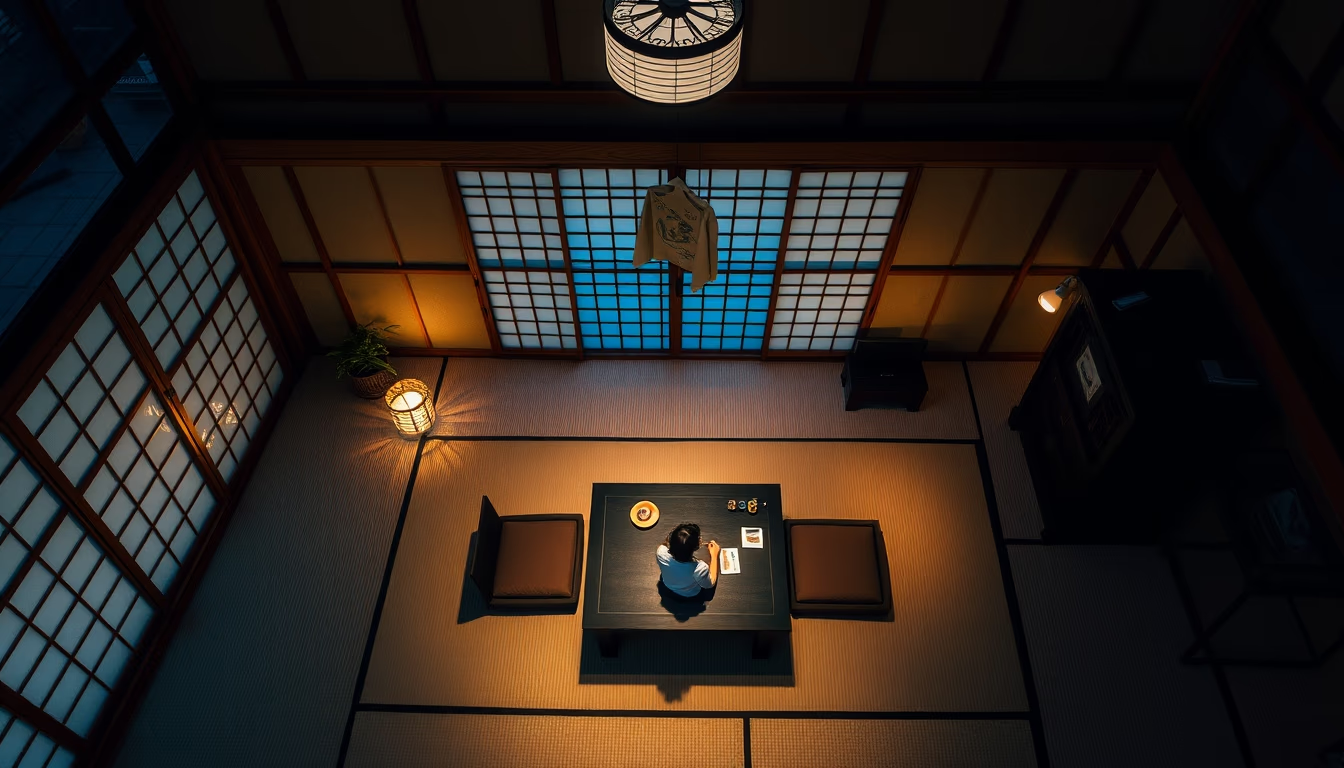
Tatami mats in a traditional Japanese tea room, arranged in a geometric pattern that reveals the minimalist aesthetic and functional design of the ceremonial space.
About this subject
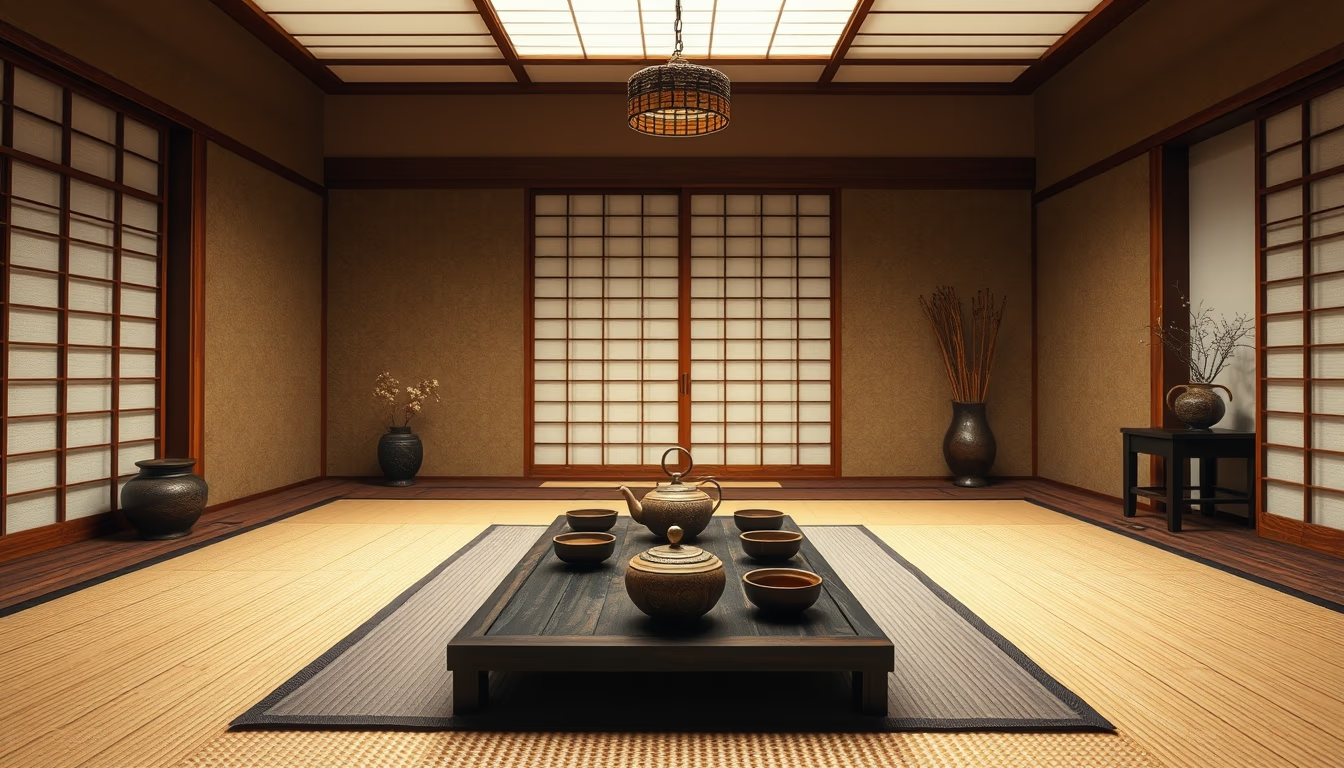
The tea room, or chashitsu, is an architectural space deeply rooted in Japanese culture, designed for the tea ceremony (chanoyu). The tatami floor is a central element: made of compressed rice straw covered with soft rush grass (igusa) mats, each tatami has standardized dimensions (approximately 1.91 m by 0.955 m in the kyoma style). The arrangement of tatami follows strict rules, with the number of mats indicating the room's size. The most common rooms have four and a half tatami (yojōhan), a format established by master Sen no Rikyū in the 16th century.
Tatami is not just flooring; it defines the posture and movement of participants. Upon entering, guests step on specific edges to avoid damaging the structure. The tactile feel of the rush and the natural aroma of the straw contribute to the wabi-sabi atmosphere, the appreciation of imperfection and transience. Lighting is usually soft, coming from rice paper windows (shoji), and the ceiling is low to encourage humility.
Historically, tea rooms evolved from temple annexes to independent structures in gardens (roji). Tatami originated from thermal insulation techniques in the Heian period (794-1185), but its use in tea rooms became standard from the Muromachi period. Each tatami has a border (heri) made of silk or linen, whose color and pattern indicate the season or the host's status.
Interestingly, the number of tatami also influences acoustics: the straw and rush absorb sound, creating an intimate setting ideal for the ceremony. Maintenance is delicate, tatami must be rotated periodically for even wear and replaced every few years. This artisanal tradition keeps alive a centuries-old practice that combines architecture, design, and spirituality.
Frequently Asked Questions
Why do Japanese tea rooms use tatami mats?
Tatami provide thermal and acoustic comfort, and define the ceremonial posture. The traditional flooring reinforces the wabi-sabi aesthetic of simplicity and connection with nature.
What is the standard size of a tatami mat?
A traditional tatami measures about 1.91 m in length by 0.955 m in width, though dimensions vary by region. Tea rooms typically have 4.5 tatami (yojōhan).
How are tatami mats manufactured?
They are made from compressed rice straw as a core, covered by a woven rush grass (igusa) surface. The artisanal process requires drying and manual sewing of the edges.
Direct URL
https://pub-c7d6a6ea828543ac903a74a341ccb2e1.r2.dev/imagens/tea-room-tatami-aerial-drone-shot-fresh7.avifHow to credit
Include a visible link back to UtilizAí. Copy one of the snippets below:
<a href="https://xn--utiliza-eza.com/en/midia/imagens/tea-room-tatami-aerial-drone-shot-fresh7">Tea room tatami</a> by <a href="https://xn--utiliza-eza.com">UtilizAí</a>, licensed under <a href="https://creativecommons.org/licenses/by/4.0/">CC BY 4.0</a>.
[Tea room tatami](https://xn--utiliza-eza.com/en/midia/imagens/tea-room-tatami-aerial-drone-shot-fresh7) by [UtilizAí](https://xn--utiliza-eza.com), CC BY 4.0
License: CC-BY-4.0