Tapestry medieval flemish
1344×768 · AVIF · CC BY 4.0
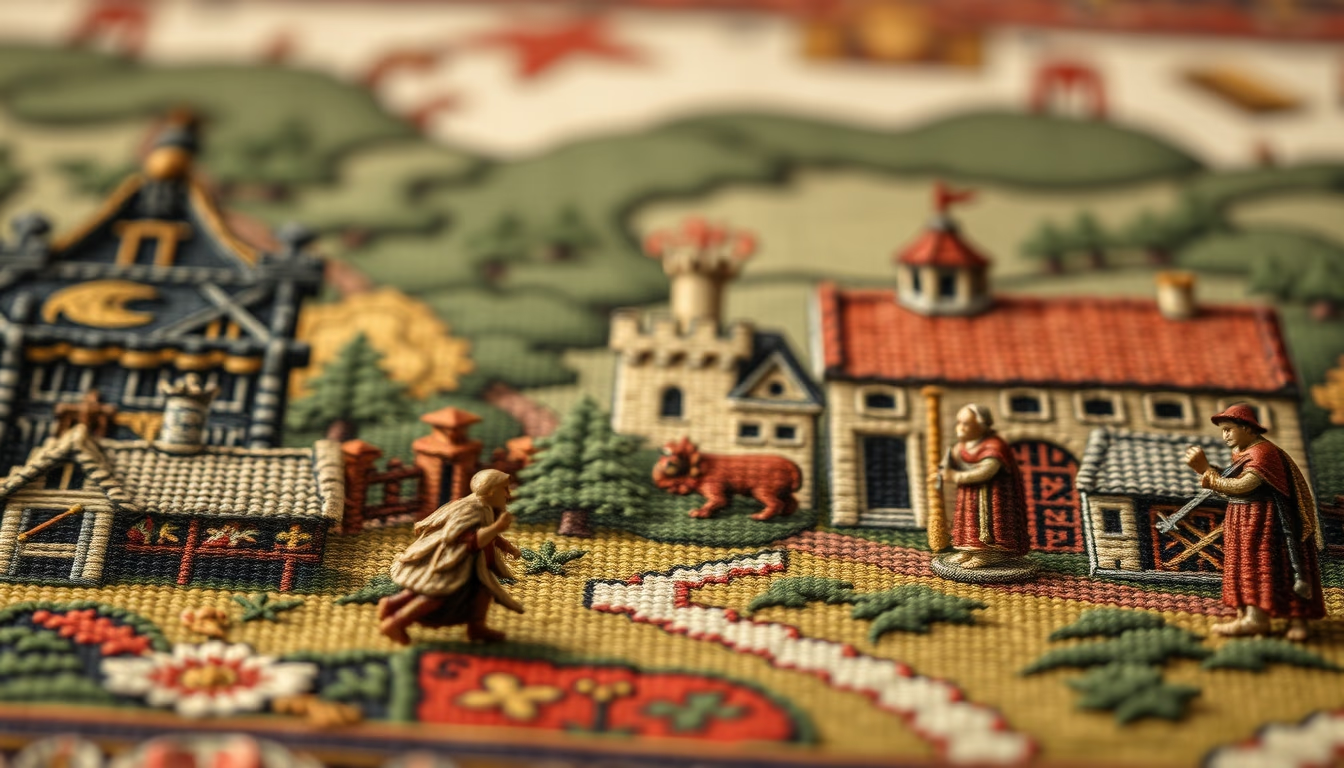
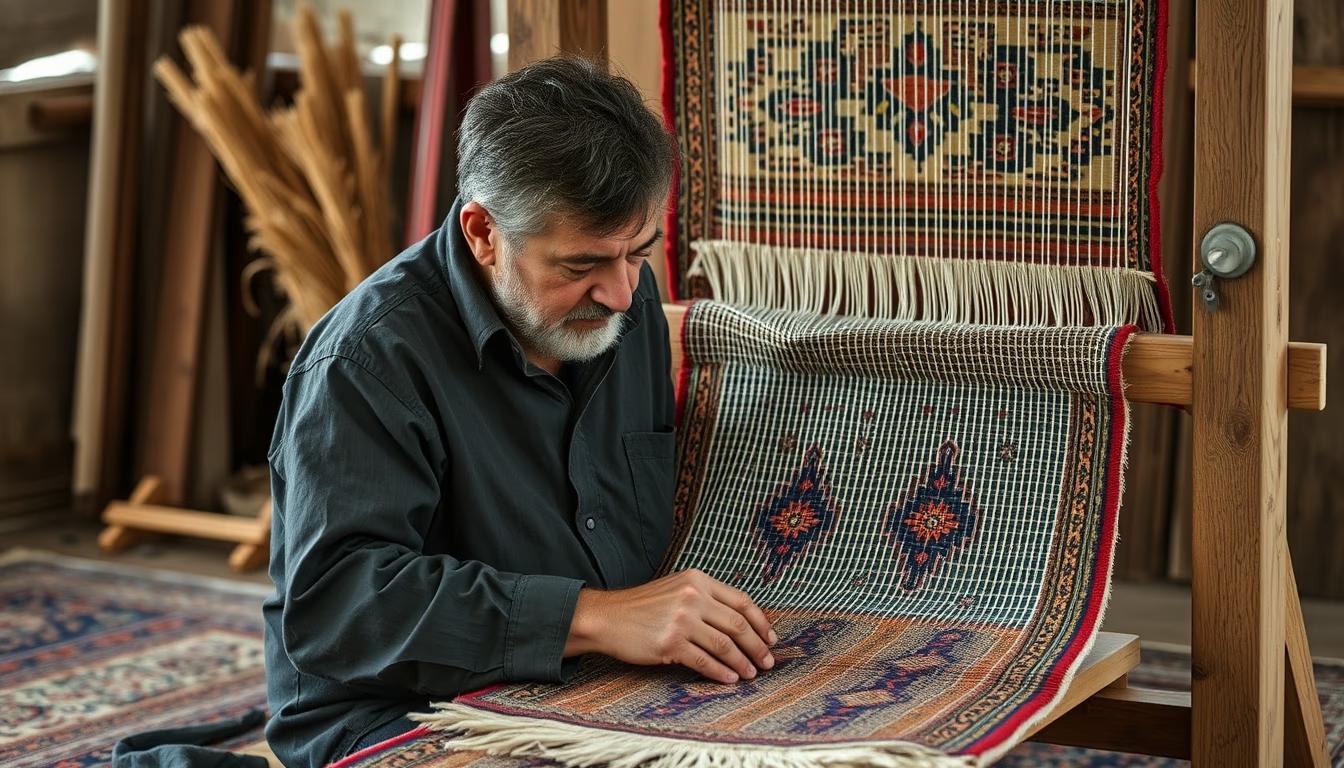
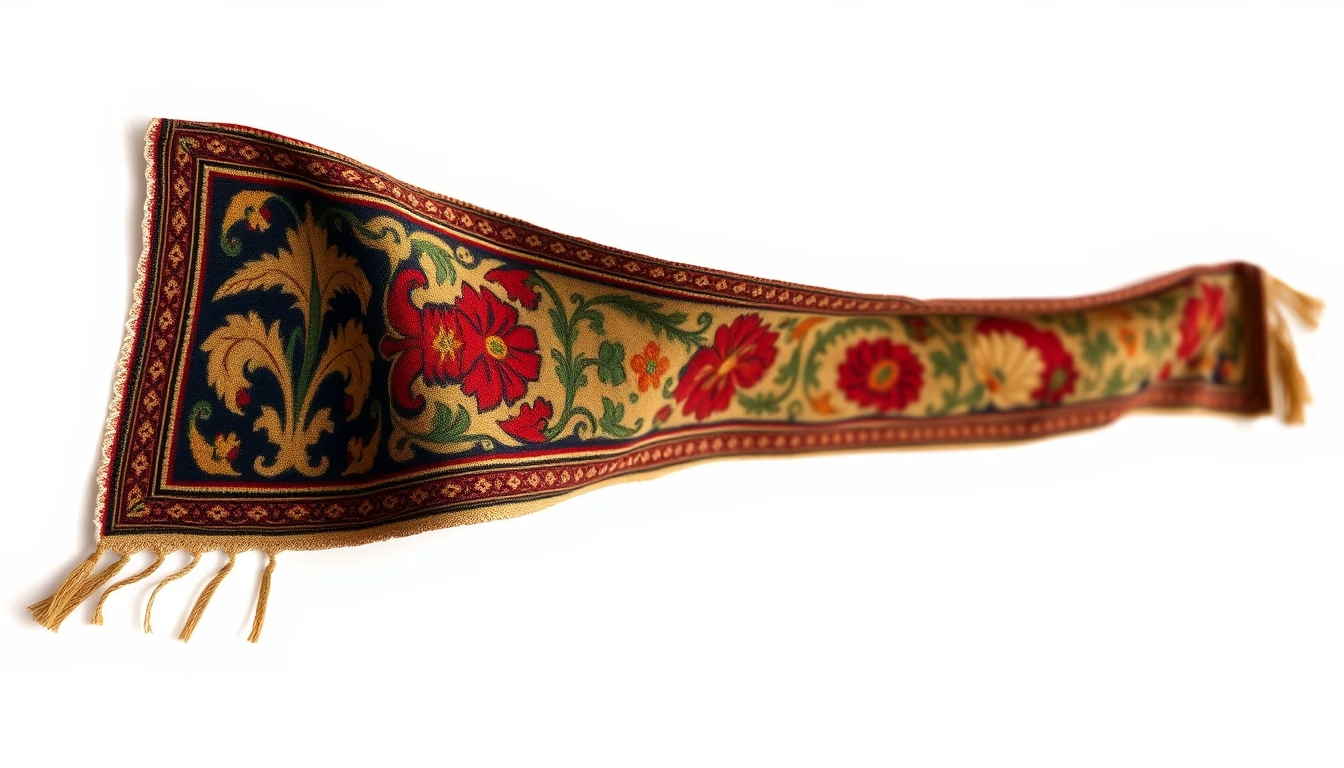
Medieval Flemish tapestry, woven in wool and silk, was one of the most prized luxury goods in Europe between the 14th and 16th centuries, symbolizing power and culture.
About this subject
Medieval Flemish tapestry flourished between the 15th and 16th centuries, especially in the cities of Brussels, Tournai and Arras, in the historical region of Flanders (present-day Belgium and northern France). These pieces were handwoven on looms, mainly in wool dyed with natural colors, with silk threads and, in richer works, gold and silver threads. The most common technique was the high-warp loom (vertical), which allowed greater detail, but the low-warp loom (horizontal) was also used.
Themes were varied: biblical scenes, mythology, allegories, historical battles and courtly life. One of the most famous series is "The Hunt of the Unicorn", from the late 15th century, part of a set of seven tapestries depicting the hunt and capture of the mythical animal. Another masterpiece is "The Lady and the Unicorn", a set of six tapestries representing the five senses and a sixth symbolic theme, now exhibited at the Musée de Cluny in Paris.
Producing these tapestries was a complex and expensive process involving several craftsmen: cartoonists (who designed the model), dyers and weavers. They were commissioned by nobles, kings and religious institutions as symbols of status and devotion. Flemish tapestry dominated the European market due to material quality, high technical skill and creative designs, influencing textile art for centuries. Many of these works survive in museums and royal collections, considered cultural heritage of humanity.
Frequently Asked Questions
Why were Flemish tapestries so highly valued in the Middle Ages?
They were luxury items that demonstrated power and wealth, made with precious materials like silk and gold threads. They also served as thermal insulation in stone castles and as a way to tell stories or propagate political and religious ideas.
How long did it take to weave a Flemish tapestry?
A medium-sized tapestry could take one to two years to complete by a team of weavers. Larger and more detailed pieces required up to five years of work.
Which are the most famous surviving Flemish tapestries?
The best-known series are The Hunt of the Unicorn (The Cloisters, New York) and The Lady and the Unicorn (Musée de Cluny, Paris). Other notable ones include the Bayeux Tapestry (though Norman, influenced by Flemish style) and the Apocalypse Tapestry of Angers.
Direct URL
https://pub-c7d6a6ea828543ac903a74a341ccb2e1.r2.dev/imagens/tapestry-medieval-flemish-tilt-shift-miniature-fresh8.avifHow to credit
Include a visible link back to UtilizAí. Copy one of the snippets below:
<a href="https://xn--utiliza-eza.com/en/midia/imagens/tapestry-medieval-flemish-tilt-shift-miniature-fresh8">Tapestry medieval flemish</a> by <a href="https://xn--utiliza-eza.com">UtilizAí</a>, licensed under <a href="https://creativecommons.org/licenses/by/4.0/">CC BY 4.0</a>.
[Tapestry medieval flemish](https://xn--utiliza-eza.com/en/midia/imagens/tapestry-medieval-flemish-tilt-shift-miniature-fresh8) by [UtilizAí](https://xn--utiliza-eza.com), CC BY 4.0
License: CC-BY-4.0