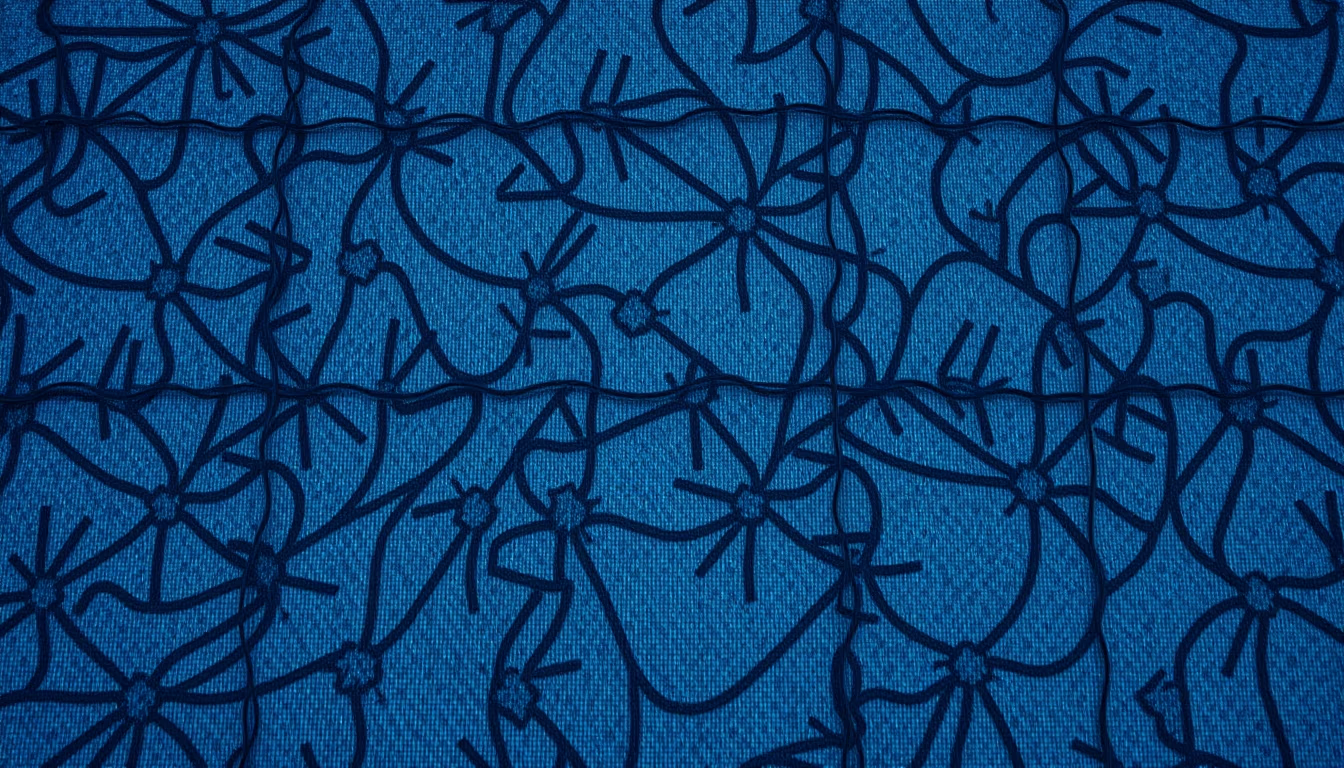
Tapestry medieval flemish
1344×768 · AVIF · CC BY 4.0

Medieval Flemish tapestries are textile masterpieces produced in the 14th and 15th centuries in the Low Countries, renowned for their rich detail and visual narratives.
About this subject
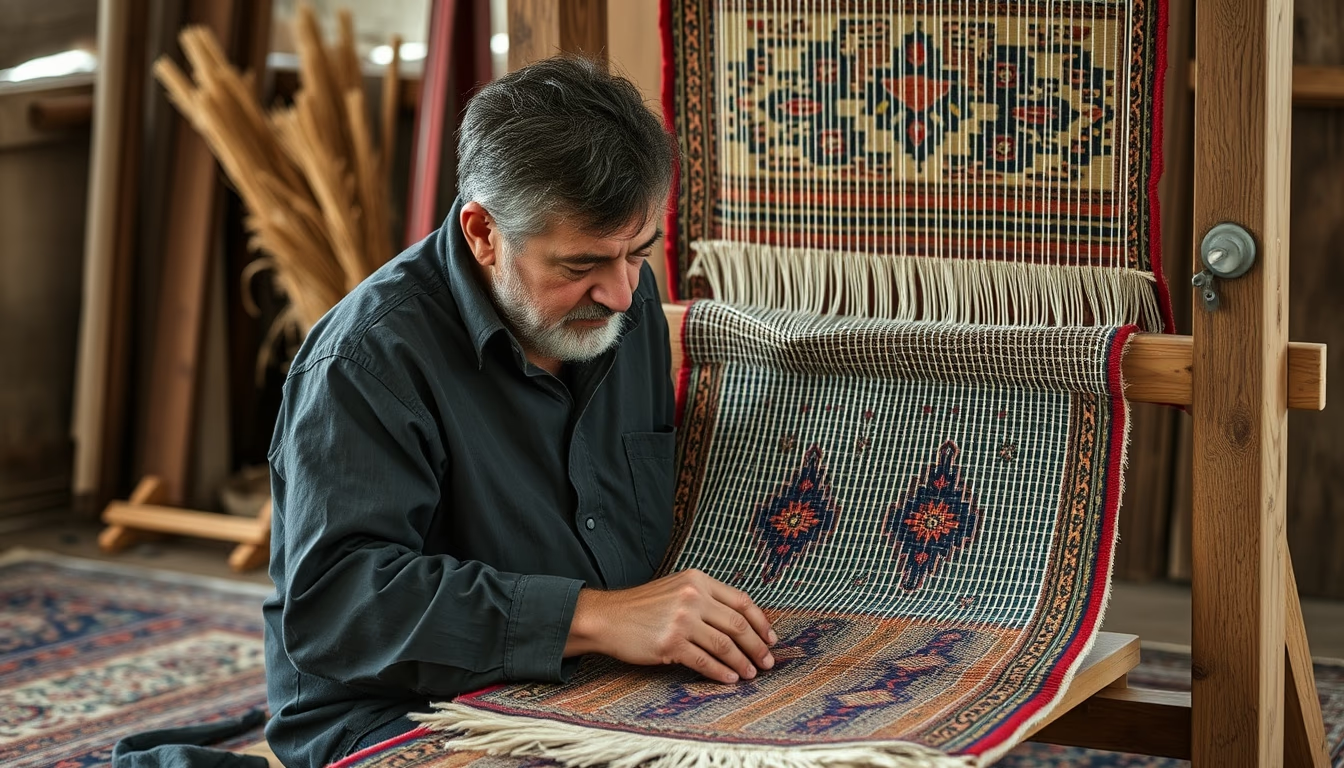
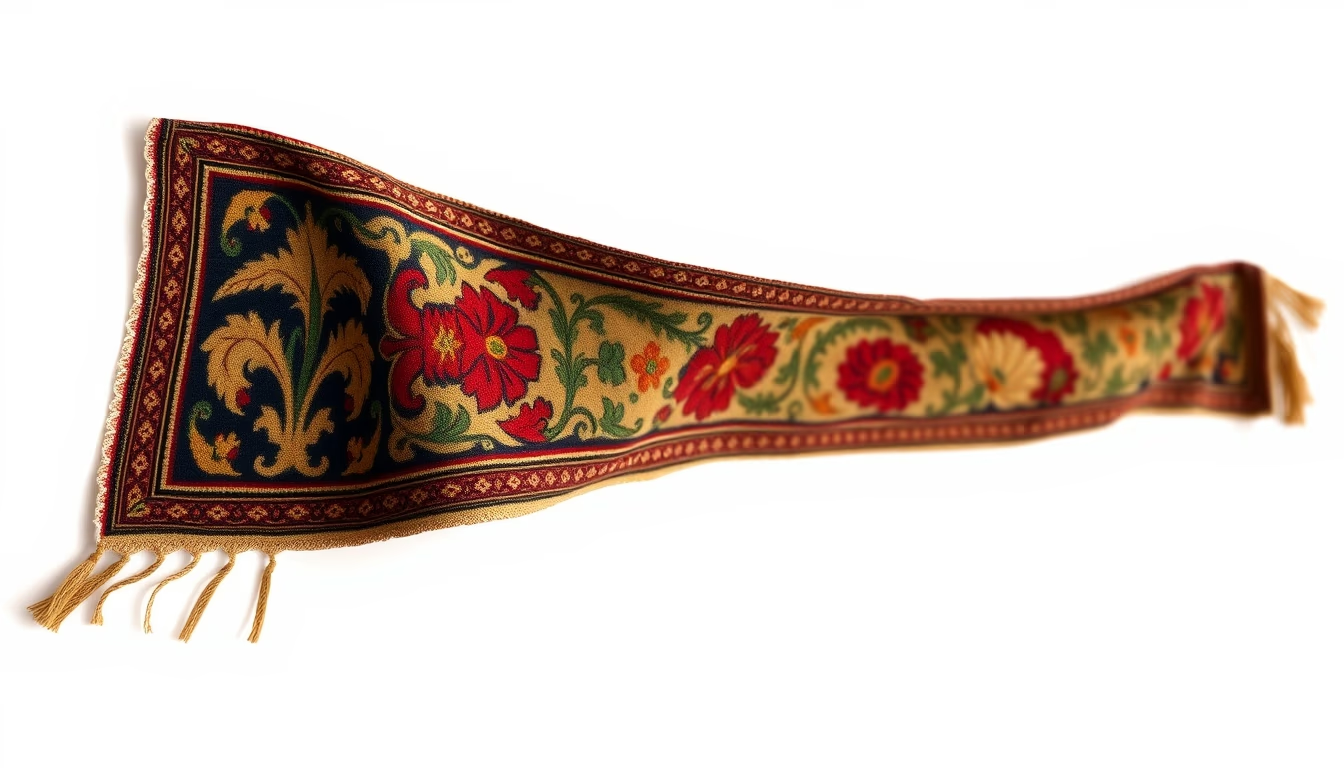
Medieval Flemish tapestries are among the finest achievements of European textile art. Produced mainly in cities such as Brussels, Tournai, and Arras, these works were woven on high-warp looms using wool, silk, and sometimes gold and silver threads. During the 14th and 15th centuries, the region of Flanders (modern-day Belgium and northern France) dominated production, supplying royal courts and churches across the continent. The tapestries served both as thermal insulation in drafty stone castles and as displays of power and wealth, often depicting battles, mythological scenes, biblical stories, or allegories.
The craft required years of training: cartoonists created full-scale designs, and weavers, often anonymous, interpreted the drawing with millimeter precision. A single tapestry could take years to complete, involving dozens of artisans. Colors came from natural dyes such as madder (red), woad (blue), and weld (yellow), ensuring lasting vibrancy. Popular series include The Lady and the Unicorn, The Hunt of the Unicorn (now at the Met Cloisters), and the Apocalypse of Angers (though woven in Paris, it demonstrates the Flemish influence). The Bayeux Tapestry, while Norman and embroidered rather than woven, shares thematic and stylistic parallels.
Culturally, these tapestries mirror the medieval mindset: narratives were often moralizing, celebrating chivalric virtues or religious teachings. The Flemish tapestry trade was so profitable that Brussels became a major financial and artistic hub. Production declined in the 16th century with the rise of the French Gobelins manufactory and competition from Italian workshops. Nevertheless, the legacy endures: weaving techniques and iconography influenced modern artists like William Morris and the Arts and Crafts movement.
Frequently Asked Questions
What distinguishes a medieval Flemish tapestry from other European tapestries?
Medieval Flemish tapestries are noted for their technical complexity, use of gold and silver threads in noble pieces, and detailed narratives blending religious, mythological, and everyday themes. Production concentrated in cities like Brussels and Tournai ensured a high standard of quality and innovation.
How long did it take to weave a large Flemish tapestry?
A large tapestry (for example, 4m x 6m) could take from 2 to 5 years to complete, depending on design complexity and the number of weavers. Teams of up to 10 artisans worked simultaneously on the same loom.
Where can I see original medieval Flemish tapestries today?
Museums such as the Metropolitan Museum of Art (New York), the Musée de Cluny (Paris), the Rijksmuseum (Amsterdam), and the Museum of Decorative Arts in Brussels hold significant collections. 'The Lady and the Unicorn' is at the Musée de Cluny, and 'The Hunt of the Unicorn' is at The Cloisters in New York.
Direct URL
https://pub-c7d6a6ea828543ac903a74a341ccb2e1.r2.dev/imagens/tapestry-medieval-flemish-studio-editorial-portrait-fresh12.avifHow to credit
Include a visible link back to UtilizAí. Copy one of the snippets below:
<a href="https://xn--utiliza-eza.com/en/midia/imagens/tapestry-medieval-flemish-studio-editorial-portrait-fresh12">Tapestry medieval flemish</a> by <a href="https://xn--utiliza-eza.com">UtilizAí</a>, licensed under <a href="https://creativecommons.org/licenses/by/4.0/">CC BY 4.0</a>.
[Tapestry medieval flemish](https://xn--utiliza-eza.com/en/midia/imagens/tapestry-medieval-flemish-studio-editorial-portrait-fresh12) by [UtilizAí](https://xn--utiliza-eza.com), CC BY 4.0
License: CC-BY-4.0