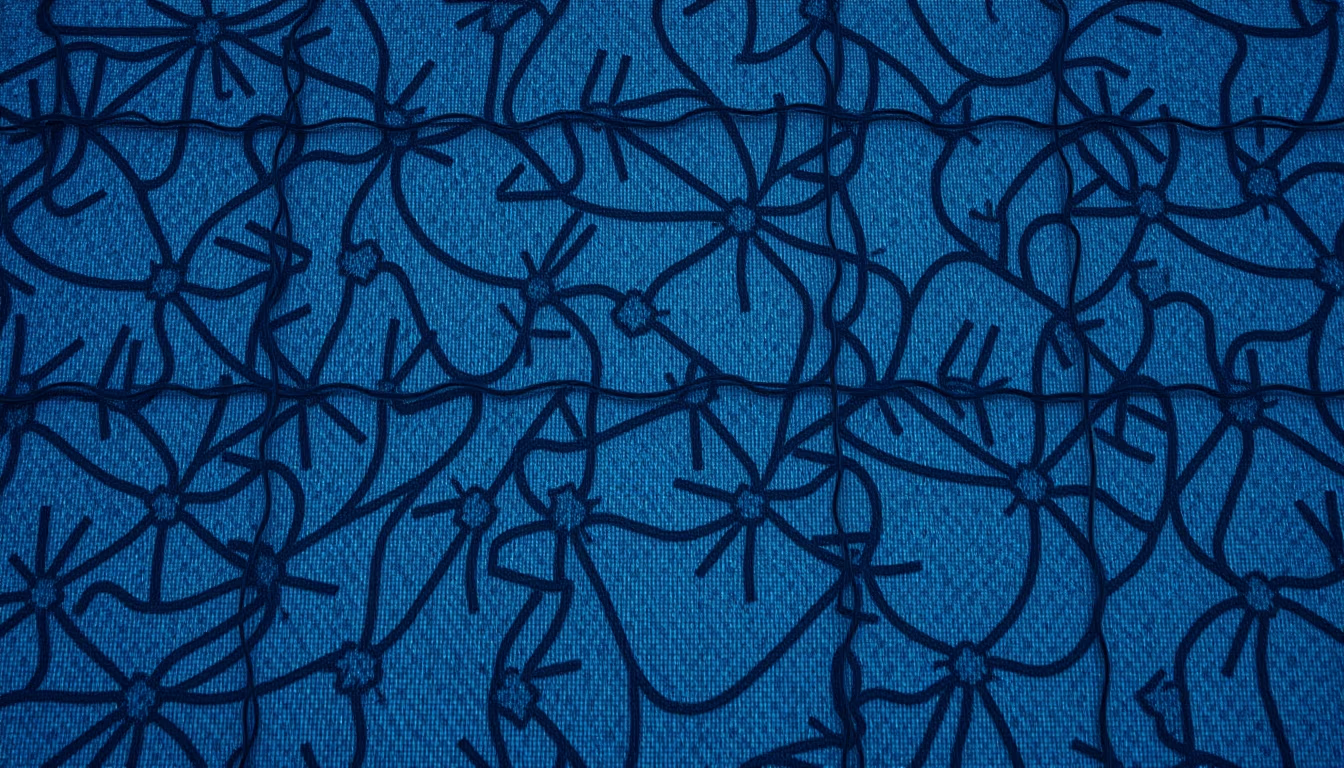
Tapestry medieval flemish
1344×768 · AVIF · CC BY 4.0

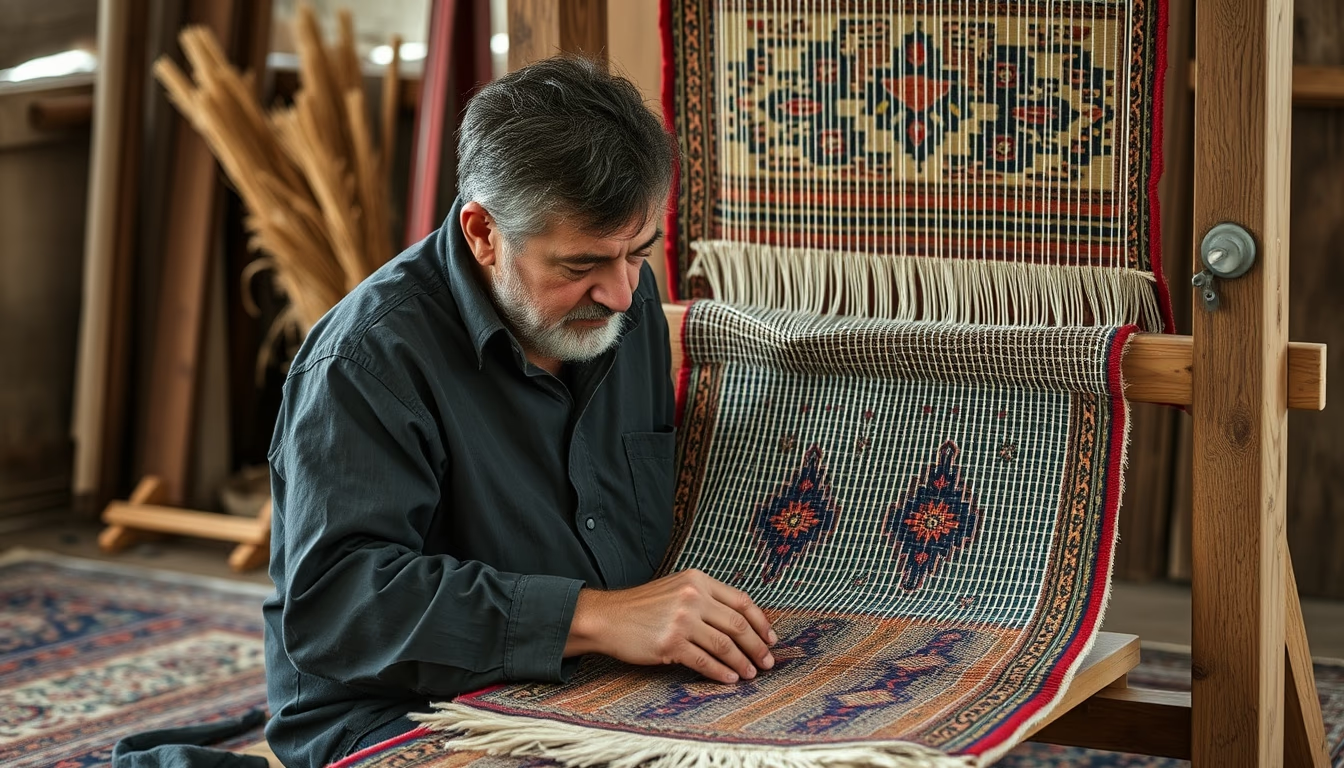
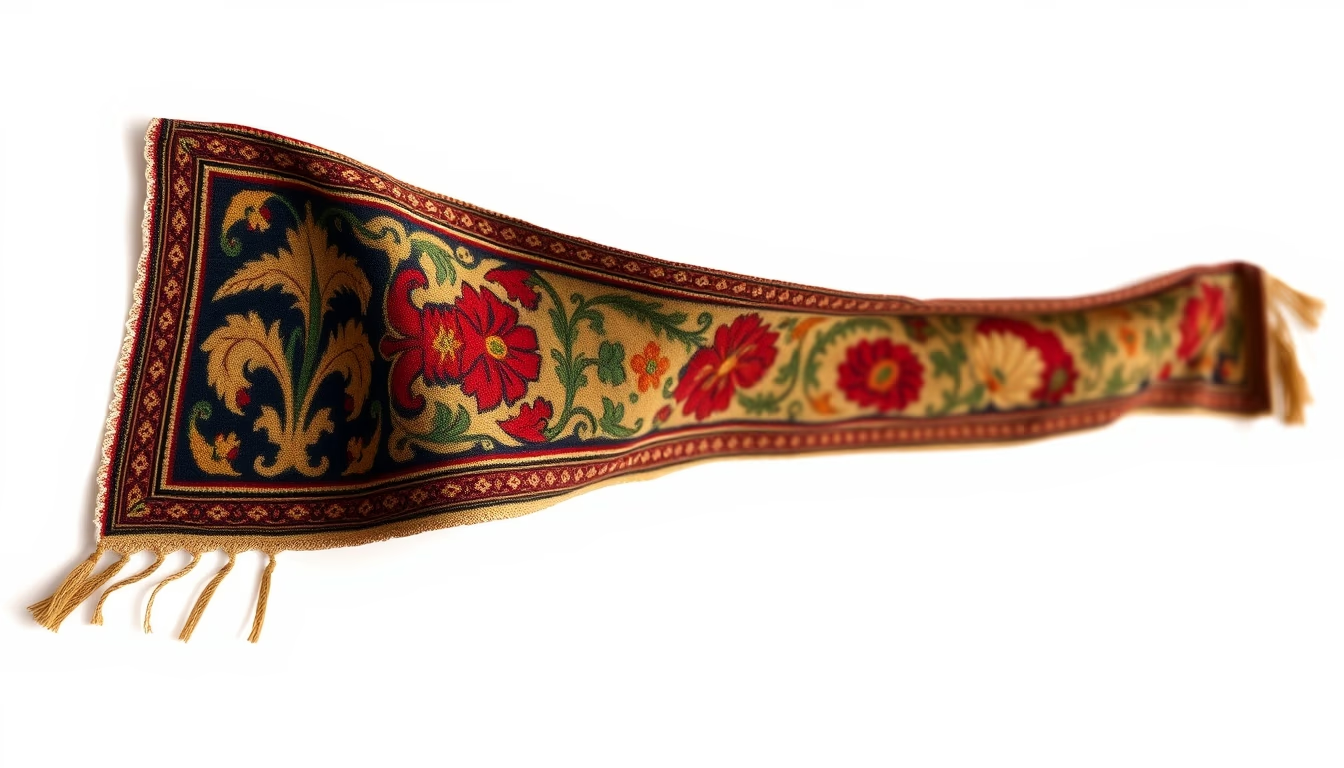
Flemish medieval tapestry stands as one of the most refined artistic expressions of the period, combining complex textile techniques with elaborate visual narratives.
About this subject
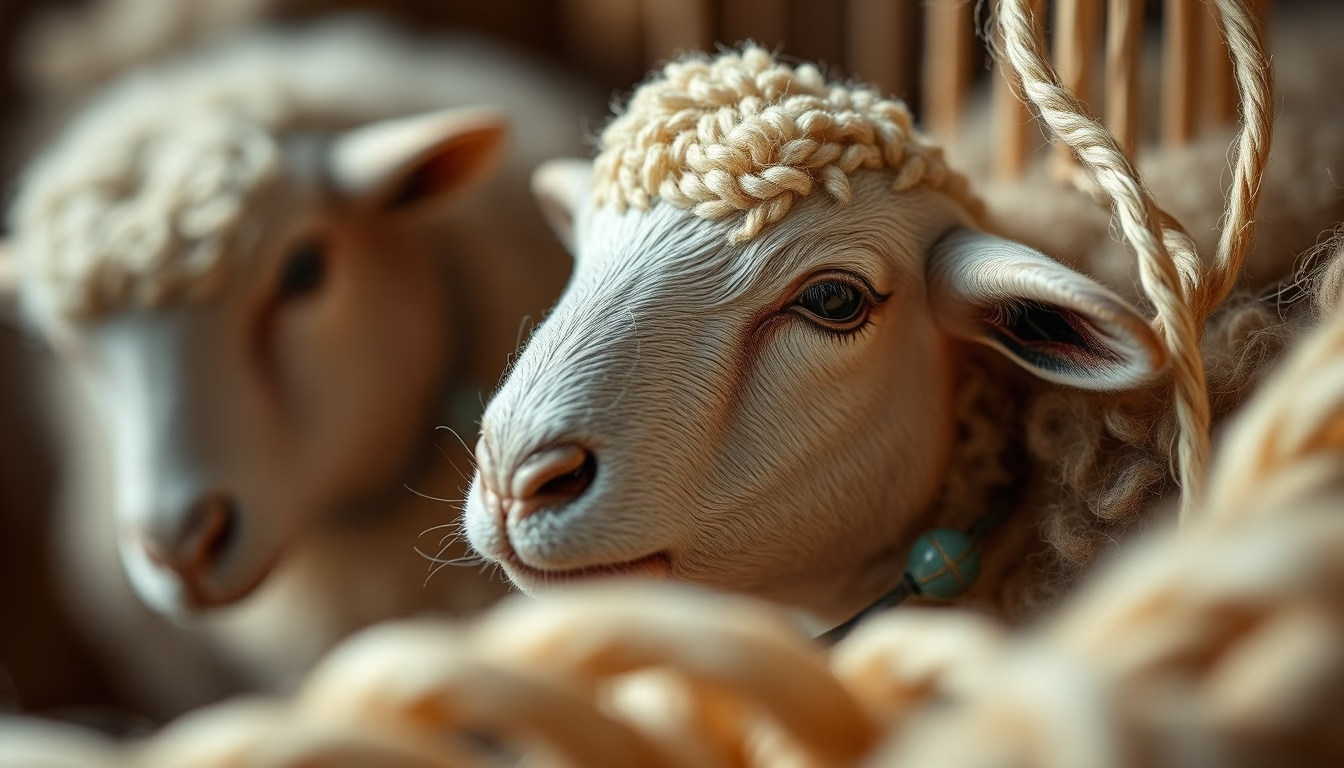
Flemish medieval tapestries flourished between the 14th and 16th centuries, mainly in textile centers such as Bruges, Tournai, and Brussels. These works were woven on high-warp looms using wool dyed with natural pigments, silk, and, in noble pieces, gold and silver threads. The artisans, known as tapestry weavers, followed cartoons prepared by painters, allowing a high degree of detail and color fidelity.
Themes ranged from biblical scenes, mythological allegories, historical episodes, and scenes of courtly life. One of the most famous series is 'The Hunt of the Unicorn', now at the Metropolitan Museum of Art in New York. Tapestries served both to thermally insulate cold castle rooms and to display the owner's power and wealth. They were extremely expensive, often costing as much as a ship or a rural estate.
Production was controlled by guilds that regulated material quality and apprentice training. In the 15th century, the Flemish tapestry industry reached its peak, exporting across Europe. The tapestry 'The Mystic Marriage of Saint Catherine' from Brussels exemplifies technical mastery with its gold highlights and subtle shading. With economic decline and competition from the Gobelins manufactory in France, the Flemish tradition waned, but its legacy influenced Western tapestry for centuries.
Frequently Asked Questions
How were Flemish medieval tapestries produced?
They were woven on high-warp looms using wool, silk, and metallic threads, following cartoons (designs) by painters. The process took months or years depending on complexity.
What was the cultural importance of Flemish tapestries in the Middle Ages?
Besides insulating castles, they were status symbols and wealth displays. They told biblical or mythological stories and served as ostentatious decoration in European courts.
Where are the main surviving Flemish tapestries today?
Many are in museums such as the Metropolitan Museum of Art (New York), the Louvre (Paris), and the Royal Museums of Art and History in Brussels. Some still belong to churches and private collections.
Direct URL
https://pub-c7d6a6ea828543ac903a74a341ccb2e1.r2.dev/imagens/tapestry-medieval-flemish-lo-fi-disposable-camera-fresh3.avifHow to credit
Include a visible link back to UtilizAí. Copy one of the snippets below:
<a href="https://xn--utiliza-eza.com/en/midia/imagens/tapestry-medieval-flemish-lo-fi-disposable-camera-fresh3">Tapestry medieval flemish</a> by <a href="https://xn--utiliza-eza.com">UtilizAí</a>, licensed under <a href="https://creativecommons.org/licenses/by/4.0/">CC BY 4.0</a>.
[Tapestry medieval flemish](https://xn--utiliza-eza.com/en/midia/imagens/tapestry-medieval-flemish-lo-fi-disposable-camera-fresh3) by [UtilizAí](https://xn--utiliza-eza.com), CC BY 4.0
License: CC-BY-4.0