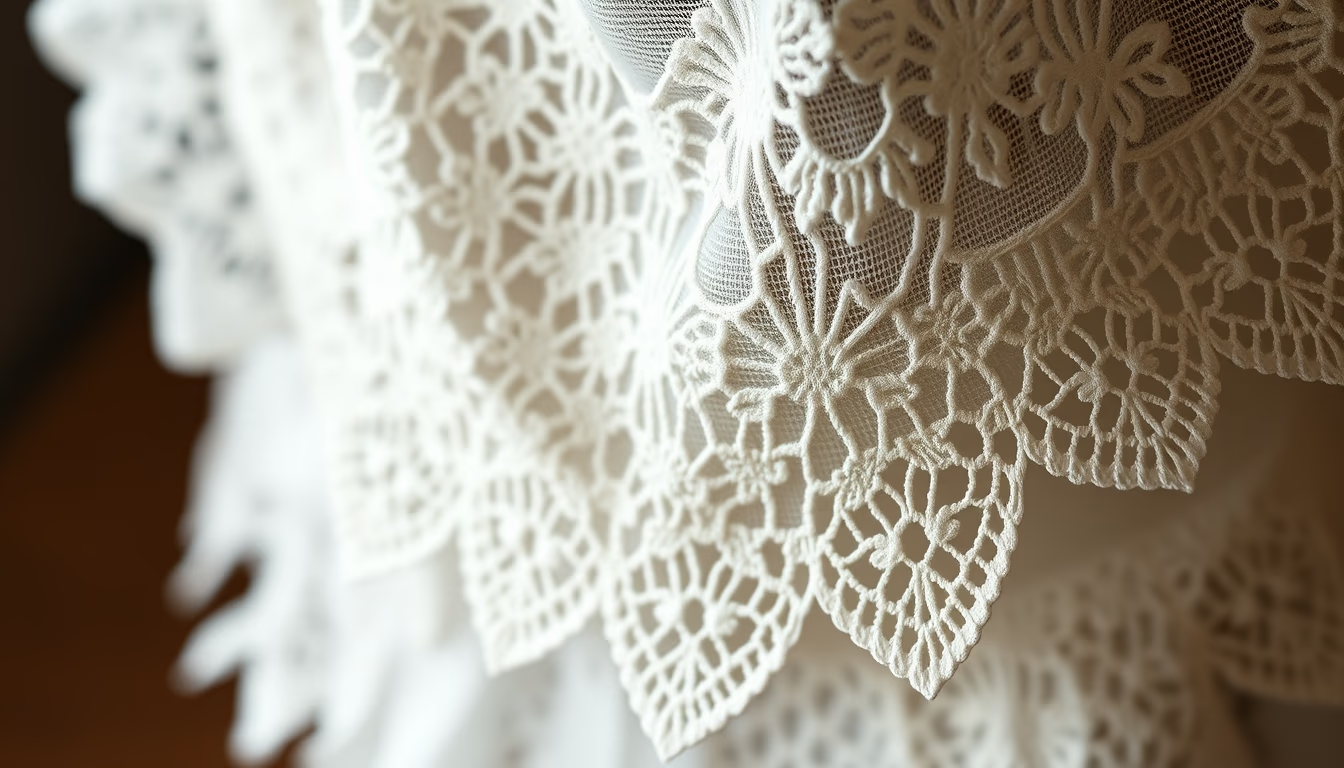
Tapestry medieval flemish
1344×768 · AVIF · CC BY 4.0
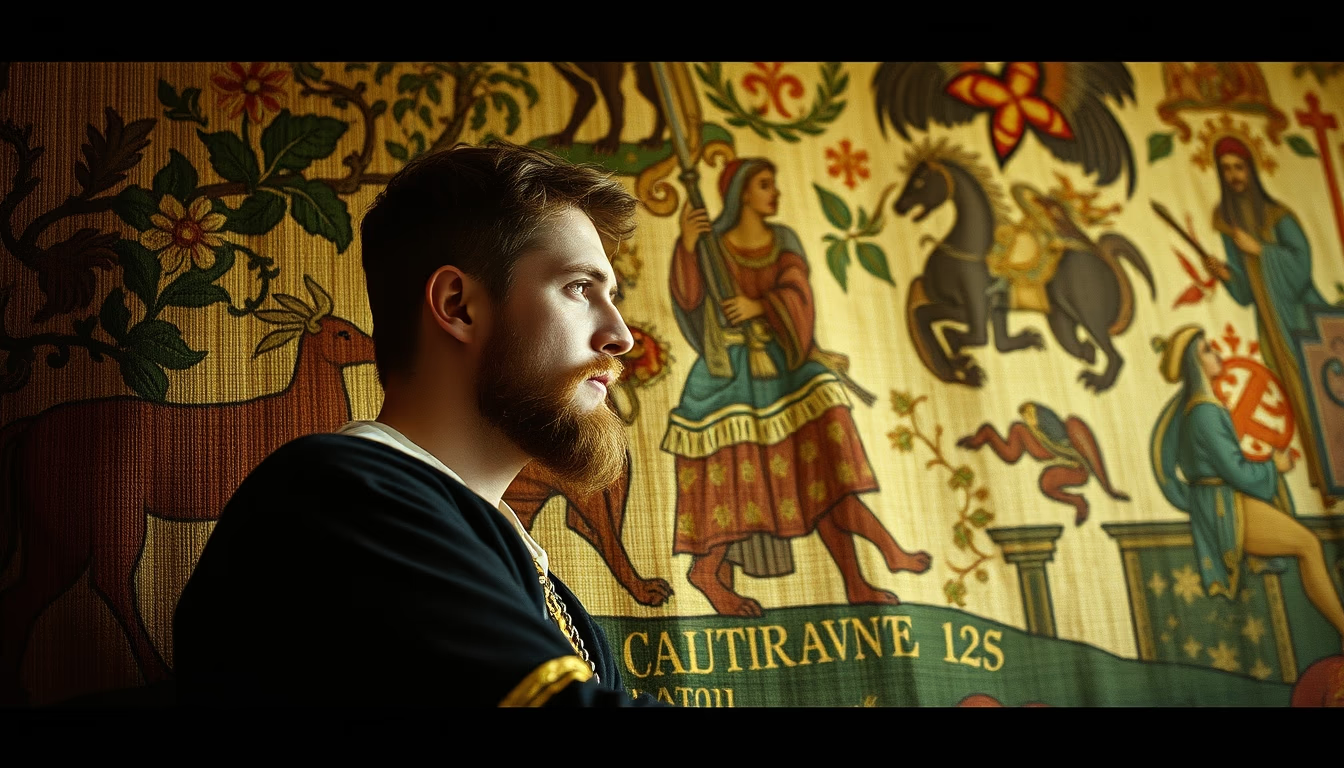
Flemish medieval tapestry is a textile artwork depicting historical, mythological or daily life scenes, produced in the 15th and 16th centuries in the Burgundian Netherlands.
About this subject
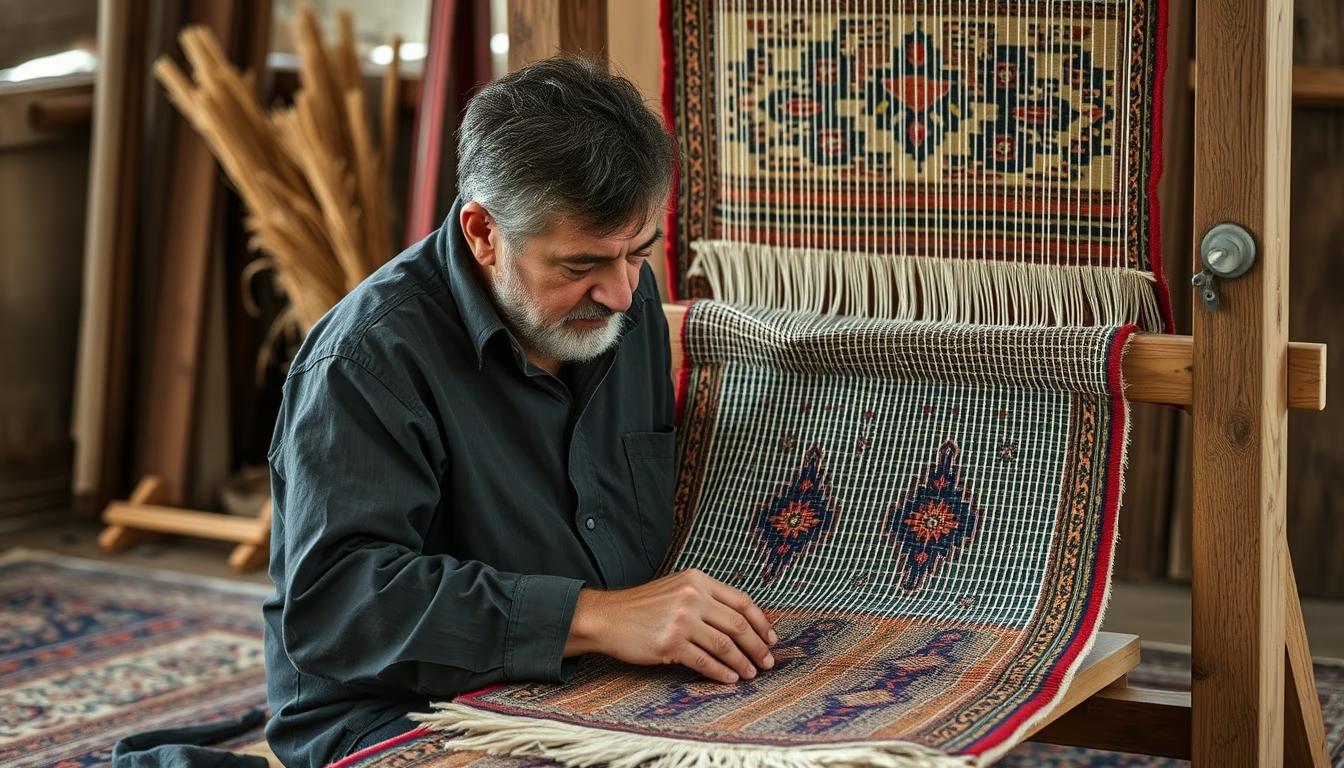
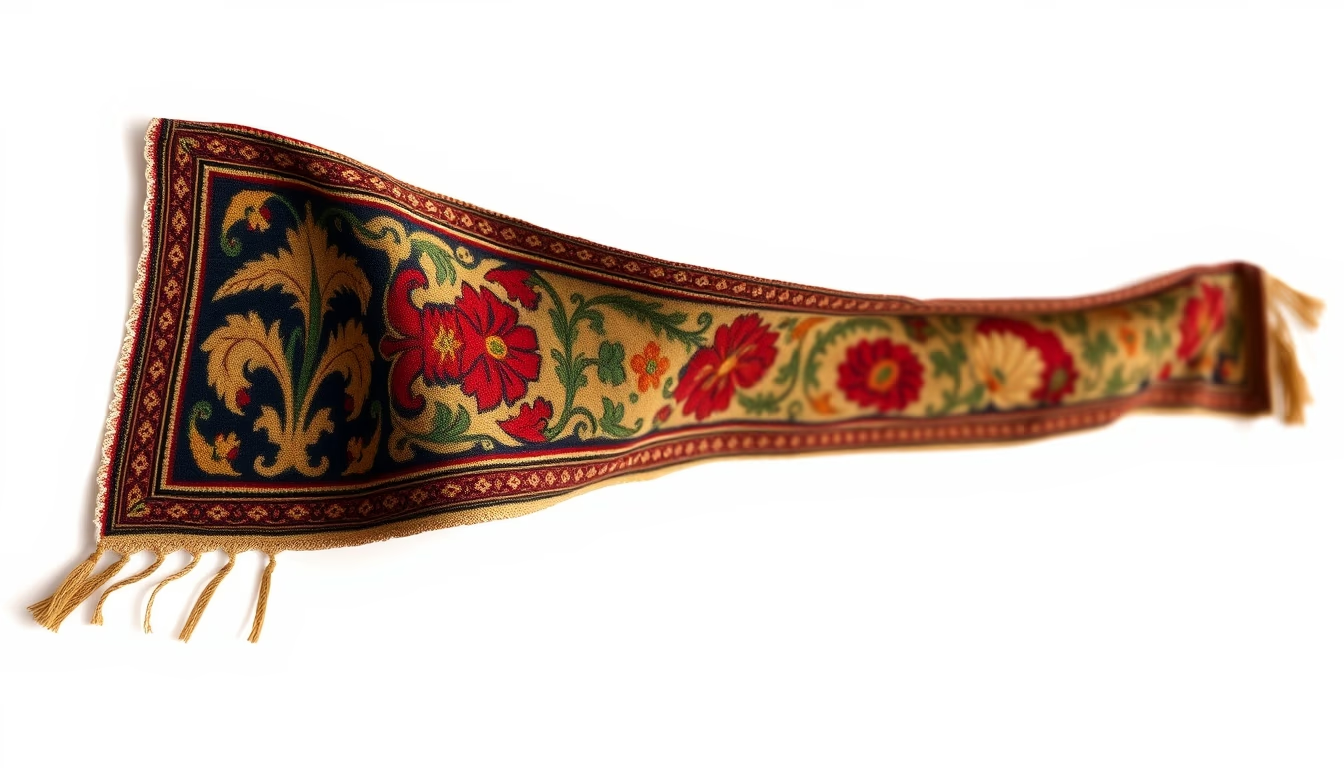
Flemish medieval tapestry, also known as Arras or Brussels tapestry, reached its zenith in the 15th and 16th centuries under the rule of the Dukes of Burgundy in Flanders. These pieces were handwoven on looms using wool and silk threads, often enriched with gold and silver filaments, creating compositions of great chromatic richness and detail. Common themes included hunting scenes, historical battles, religious allegories, and episodes from classical mythology, functioning as visual records of medieval mentality.
Production centered in cities like Arras, Tournai, Brussels, and Ghent, which became specialized hubs known across Europe. Tapestries were commissioned by kings, nobles, and clergy as symbols of power and prestige, and also served to insulate stone castles. The most common weaving technique was high-warp (haute-lisse), which allowed greater artistic freedom and precise detail. Every piece was entirely handmade, without mechanical patterns, making each tapestry a unique artwork.
Notable examples include "The Lady and the Unicorn" series (Musée de Cluny, Paris) and "The Hunt of the Unicorn" (Metropolitan Museum of Art, New York), showcasing Flemish artisans' mastery in rendering landscapes, garments, and facial expressions with surprising realism. Unfortunately, many tapestries were lost over centuries due to fires, wars, and natural decay. Survivors are now treasures in major world museums and continue to be studied by art historians as invaluable sources on late medieval material and visual culture.
Frequently Asked Questions
What distinguishes Flemish tapestry from other medieval tapestries?
Flemish tapestry stands out for its use of silk and precious metal threads, intricate designs, and large-scale production in Flemish urban centers like Brussels and Arras.
What materials were used in making Flemish tapestries?
Main materials were wool dyed with vegetable colors and silk, along with gold and silver threads for finer details. The loom was made of wood.
Where can I see medieval Flemish tapestries today?
Major collections are at the Musée de Cluny (Paris), the Metropolitan Museum of Art (New York), and the Museu Nacional de Arte Antiga (Lisbon). Many also remain in European cathedrals and palaces.
Direct URL
https://pub-c7d6a6ea828543ac903a74a341ccb2e1.r2.dev/imagens/tapestry-medieval-flemish-film-grain-authentic-fresh2.avifHow to credit
Include a visible link back to UtilizAí. Copy one of the snippets below:
<a href="https://xn--utiliza-eza.com/en/midia/imagens/tapestry-medieval-flemish-film-grain-authentic-fresh2">Tapestry medieval flemish</a> by <a href="https://xn--utiliza-eza.com">UtilizAí</a>, licensed under <a href="https://creativecommons.org/licenses/by/4.0/">CC BY 4.0</a>.
[Tapestry medieval flemish](https://xn--utiliza-eza.com/en/midia/imagens/tapestry-medieval-flemish-film-grain-authentic-fresh2) by [UtilizAí](https://xn--utiliza-eza.com), CC BY 4.0
License: CC-BY-4.0