Taj mahal symmetric reflection
1344×768 · AVIF · CC BY 4.0
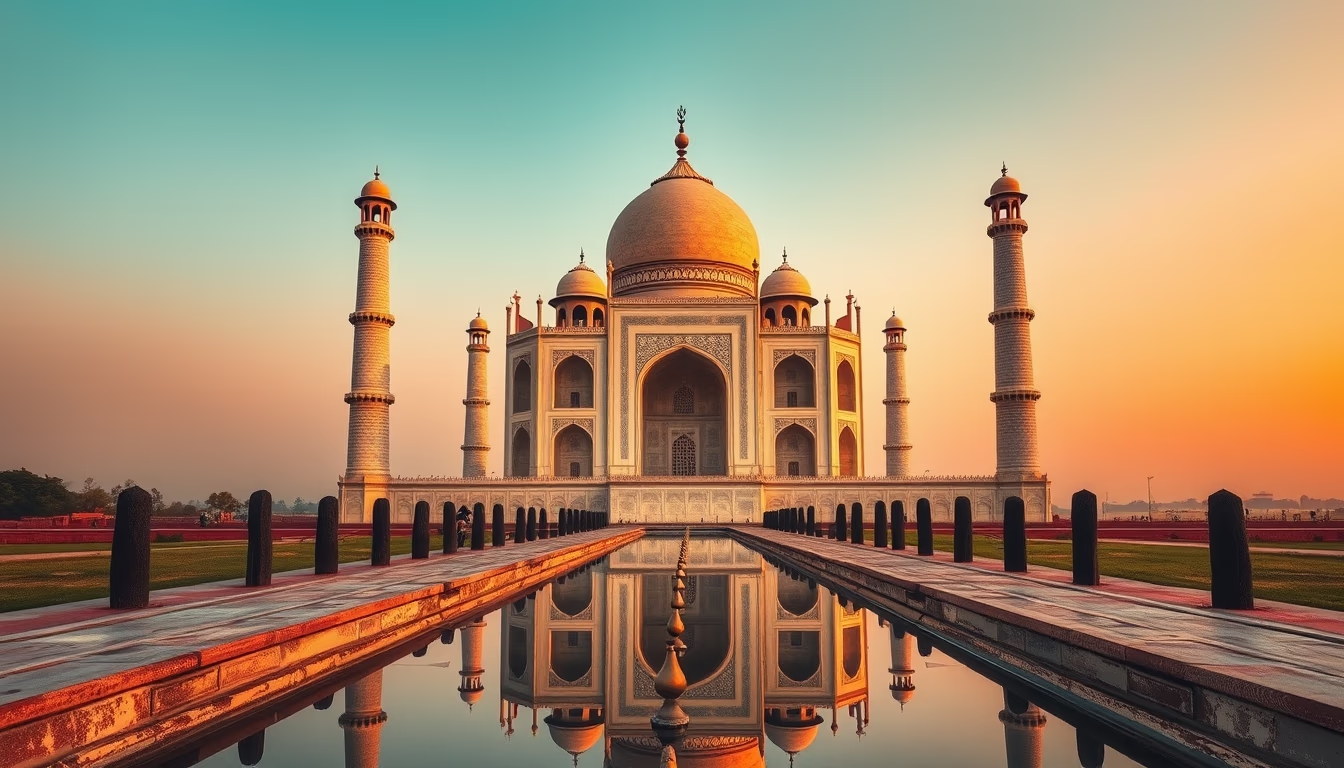
The Taj Mahal in Agra, India, is an icon of Mughal architecture, renowned for its perfect symmetry and mirror-like reflection in the garden pool.
About this subject
The Taj Mahal, located in Agra, India, is a white marble mausoleum built between 1632 and 1653 by Emperor Shah Jahan in memory of his wife Mumtaz Mahal. Considered a masterpiece of Mughal architecture, it blends Islamic, Persian, Indian and Turkish styles. Symmetry is a central aspect: the main building is flanked by two identical minarets, and the formal charbagh garden is divided into four quadrants with a water channel that reflects the dome and towers. This symmetrical reflection is often photographed, especially at dawn or dusk when soft light enhances the marble and calm water creates a natural mirror.
Construction involved about 20,000 artisans and materials from across Asia, such as jade from Punjab, crystal from China and turquoise from Tibet. The Taj Mahal has been a UNESCO World Heritage Site since 1983 and one of the New Seven Wonders of the World. The central dome is 35 meters high, and the complex includes a mosque and a guest house, also symmetrical. The symmetry is not only aesthetic: it reflects Islamic belief in divine order and universal harmony.
Interestingly, the reflection of the Taj Mahal in the pool is one of the most photographed tourist spots in India. The water channel is not merely decorative: in Mughal tradition, gardens with water symbolize paradise as described in the Quran. However, air pollution in Agra has caused discoloration of the marble, and conservation measures such as banning nearby vehicles aim to preserve the monument. Visiting the Taj Mahal combines history, architecture, and the beauty of its intentional symmetry.
Frequently Asked Questions
Why was the Taj Mahal built?
The Taj Mahal was built by Mughal emperor Shah Jahan as a mausoleum for his favorite wife, Mumtaz Mahal, who died giving birth to their 14th child.
What makes the symmetry of the Taj Mahal so special?
The symmetry is nearly perfect, with the main building, minarets and garden designed in mirror image. The reflection in the central pool visually doubles the structure, emphasizing this feature.
Is the Taj Mahal at risk of disappearing?
Yes, air pollution in Agra causes marble discoloration. Conservation efforts include restricting vehicles and using clay masks for cleaning, but the heritage remains under threat.
Direct URL
https://pub-c7d6a6ea828543ac903a74a341ccb2e1.r2.dev/imagens/taj-mahal-symmetric-reflection-travel-photography-p9.avifHow to credit
Include a visible link back to UtilizAí. Copy one of the snippets below:
<a href="https://xn--utiliza-eza.com/en/midia/imagens/taj-mahal-symmetric-reflection-travel-photography-p9">Taj mahal symmetric reflection</a> by <a href="https://xn--utiliza-eza.com">UtilizAí</a>, licensed under <a href="https://creativecommons.org/licenses/by/4.0/">CC BY 4.0</a>.
[Taj mahal symmetric reflection](https://xn--utiliza-eza.com/en/midia/imagens/taj-mahal-symmetric-reflection-travel-photography-p9) by [UtilizAí](https://xn--utiliza-eza.com), CC BY 4.0
License: CC-BY-4.0