Taiko drum japanese
1344×768 · AVIF · CC BY 4.0
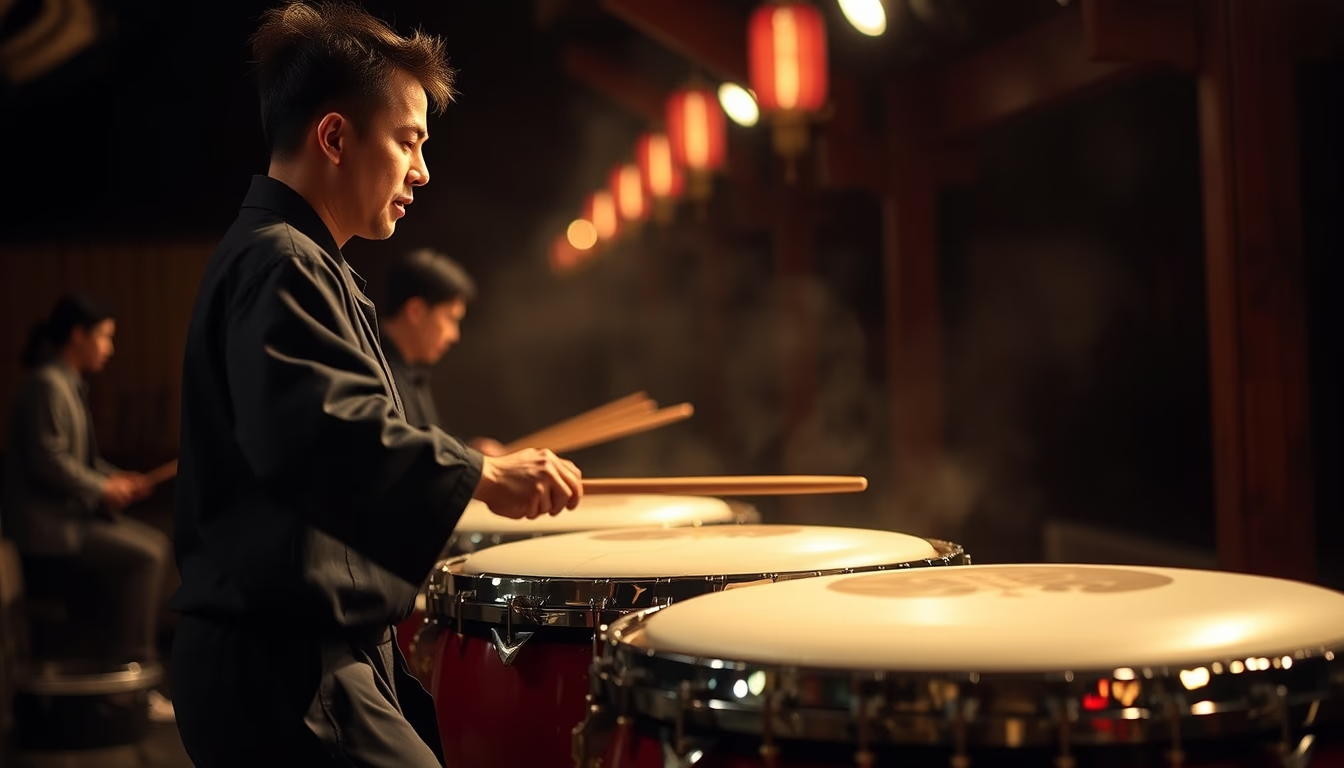
Taiko, the Japanese drums, are traditional musical instruments with centuries of history, used in religious ceremonies, festivals, and artistic performances that combine rhythm, discipline, and collective energy.
About this subject
The taiko drums have ancient origins in Japan, with records dating back to the Kofun period (3rd to 6th centuries). Initially used in military contexts to intimidate enemies and coordinate troops, they were also incorporated into Shinto and Buddhist rituals, where the deep sound of the drum marked prayers and celebrations. Over time, taiko became an essential part of seasonal festivals, such as Obon, and temple performances.
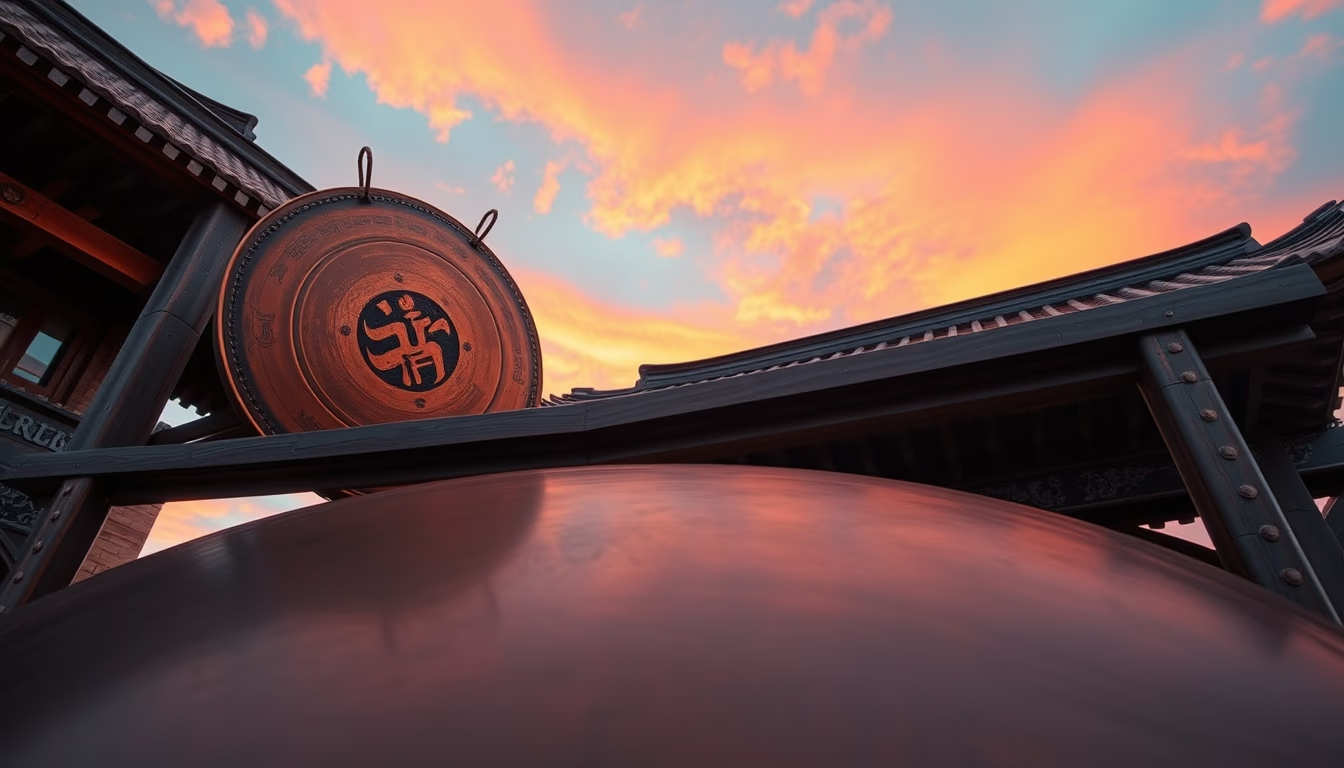
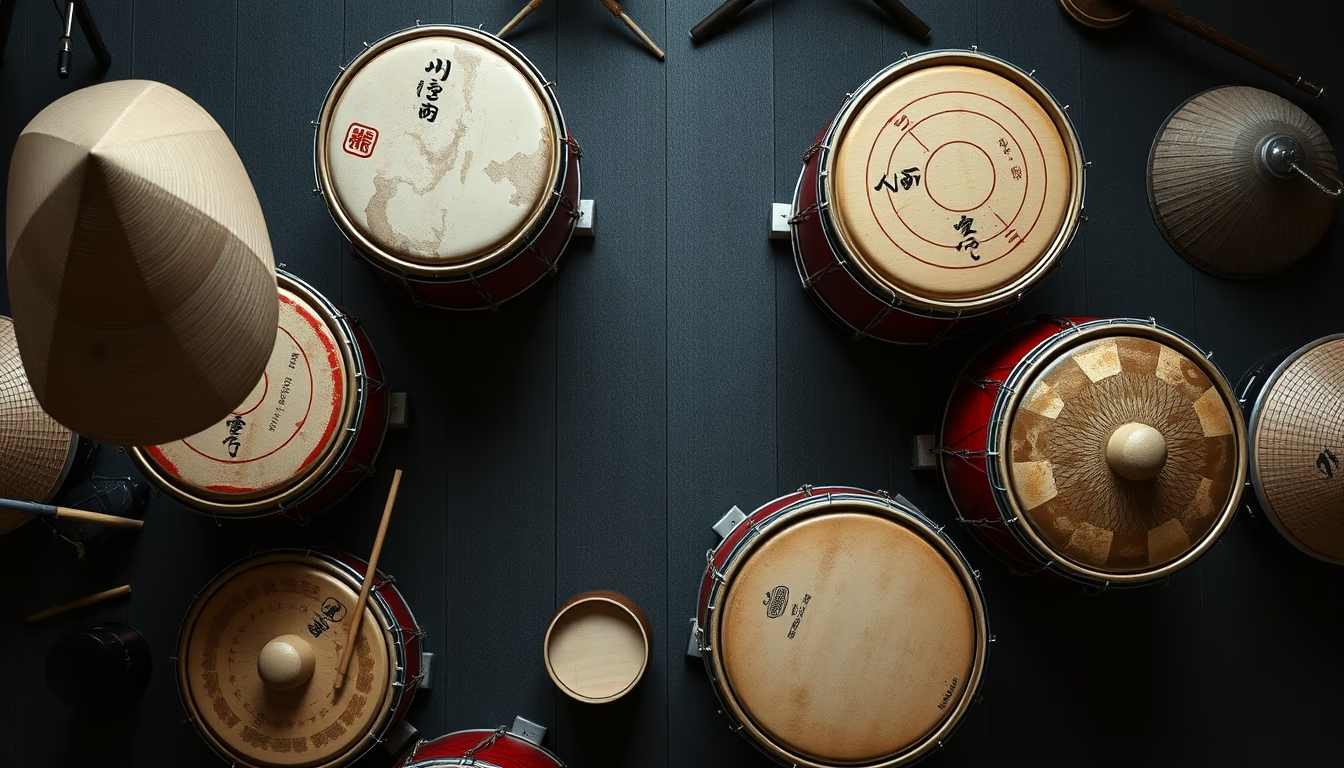
There are various types of taiko, distinguished by size, shape, and playing technique. The nagado-daiko, with a cylindrical body and two heads, is the most common. The o-daiko is a giant drum, often suspended on a stand, requiring two players. Traditional craftsmanship uses single-piece wood (like zelkova) and animal skin, cured and stretched with tacks. Each drum is tuned to produce specific timbres, from resonant lows to sharp highs.
Modern taiko practice was revolutionized in the 20th century with the emergence of kumi-daiko, a group performance style that gained prominence after World War II. Groups like Kodo, founded in 1971 on Sado Island, professionalized the art by combining rigorous physical training, intense choreography, and original compositions. Kumi-daiko emphasizes synchrony, posture, and facial expression, turning drumming into a visual and sonic spectacle.
Outside Japan, taiko has spread globally, especially in the United States, Brazil, and Europe. Nikkei communities (Japanese descendants) keep the tradition alive, while Western musicians incorporate the instrument into genres like rock, jazz, and electronic music. International taiko festivals attract thousands of participants, highlighting the universal appeal of its rhythm and the ability to unite people around a shared percussive experience.
Frequently Asked Questions
What does the word taiko mean?
Taiko (太鼓) literally means 'big drum' in Japanese. The term encompasses both the instrument and the associated musical and performance style.
How are taiko drums traditionally made?
Traditional manufacturing uses a single piece of wood (such as zelkova or keyaki) hollowed out to form the body, and animal skin (cow or horse) stretched and secured with tacks. The process takes months and requires specialized artisans.
Is taiko only performed in Japan?
No. Taiko has become popular worldwide, with active communities in the United States, Brazil, Europe, and other countries. International festivals and local groups spread the practice, which is also incorporated into other musical genres.
Direct URL
https://pub-c7d6a6ea828543ac903a74a341ccb2e1.r2.dev/imagens/taiko-drum-japanese-fine-art-photography-p1.avifHow to credit
Include a visible link back to UtilizAí. Copy one of the snippets below:
<a href="https://xn--utiliza-eza.com/en/midia/imagens/taiko-drum-japanese-fine-art-photography-p1">Taiko drum japanese</a> by <a href="https://xn--utiliza-eza.com">UtilizAí</a>, licensed under <a href="https://creativecommons.org/licenses/by/4.0/">CC BY 4.0</a>.
[Taiko drum japanese](https://xn--utiliza-eza.com/en/midia/imagens/taiko-drum-japanese-fine-art-photography-p1) by [UtilizAí](https://xn--utiliza-eza.com), CC BY 4.0
License: CC-BY-4.0