Taiko drum japanese
1344×768 · AVIF · CC BY 4.0
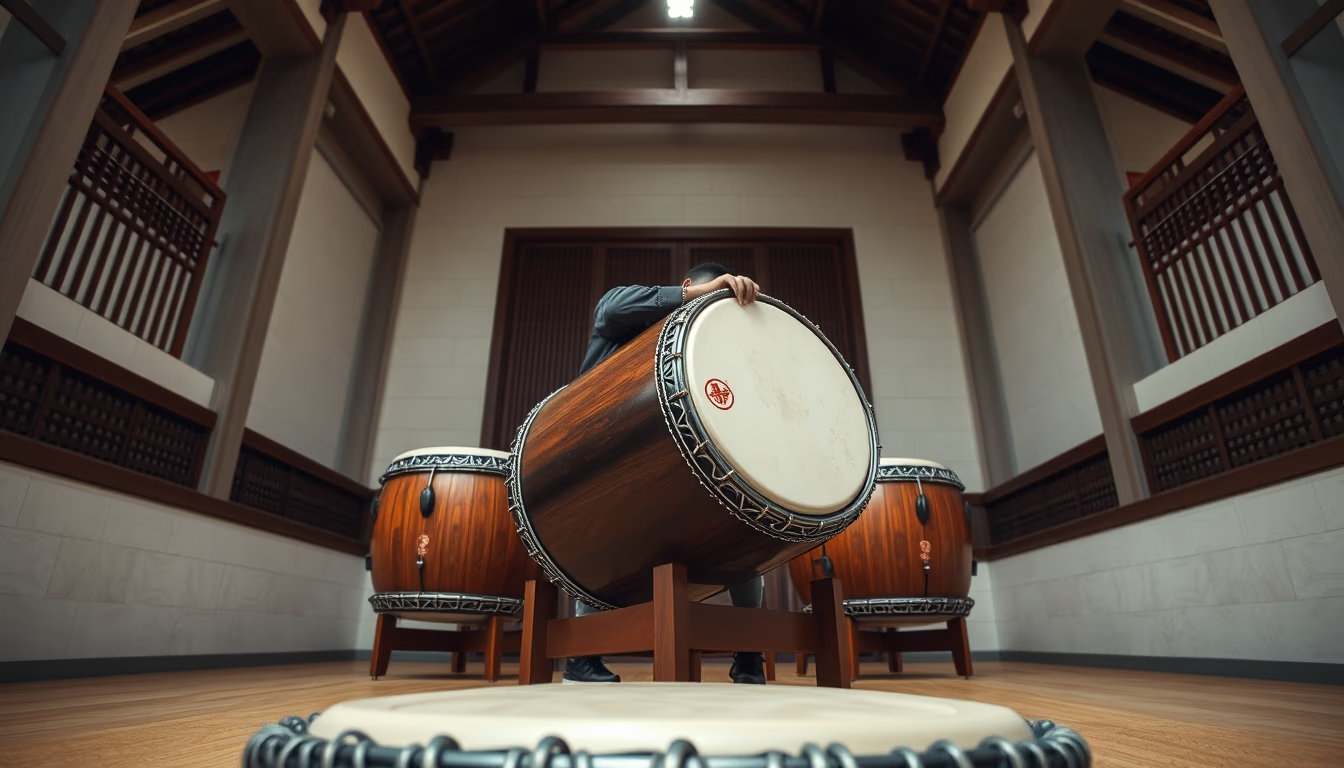
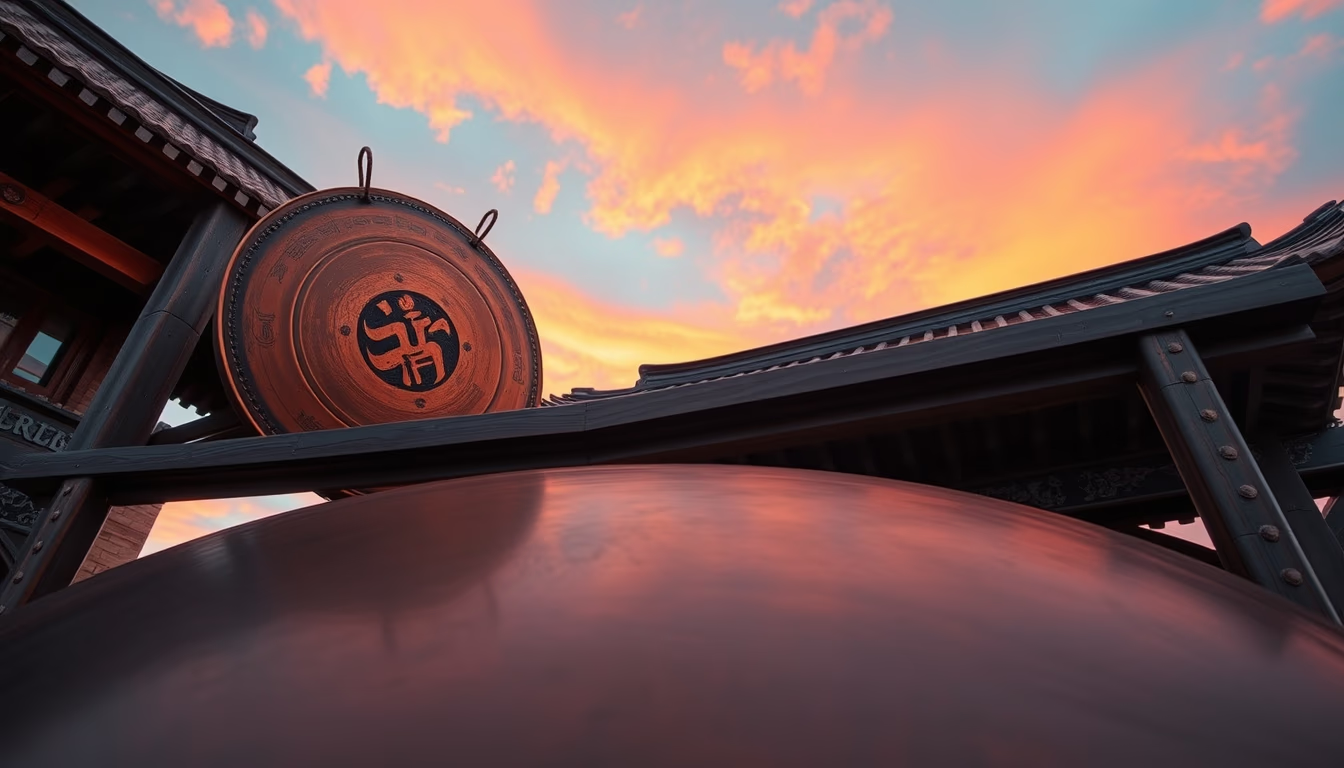
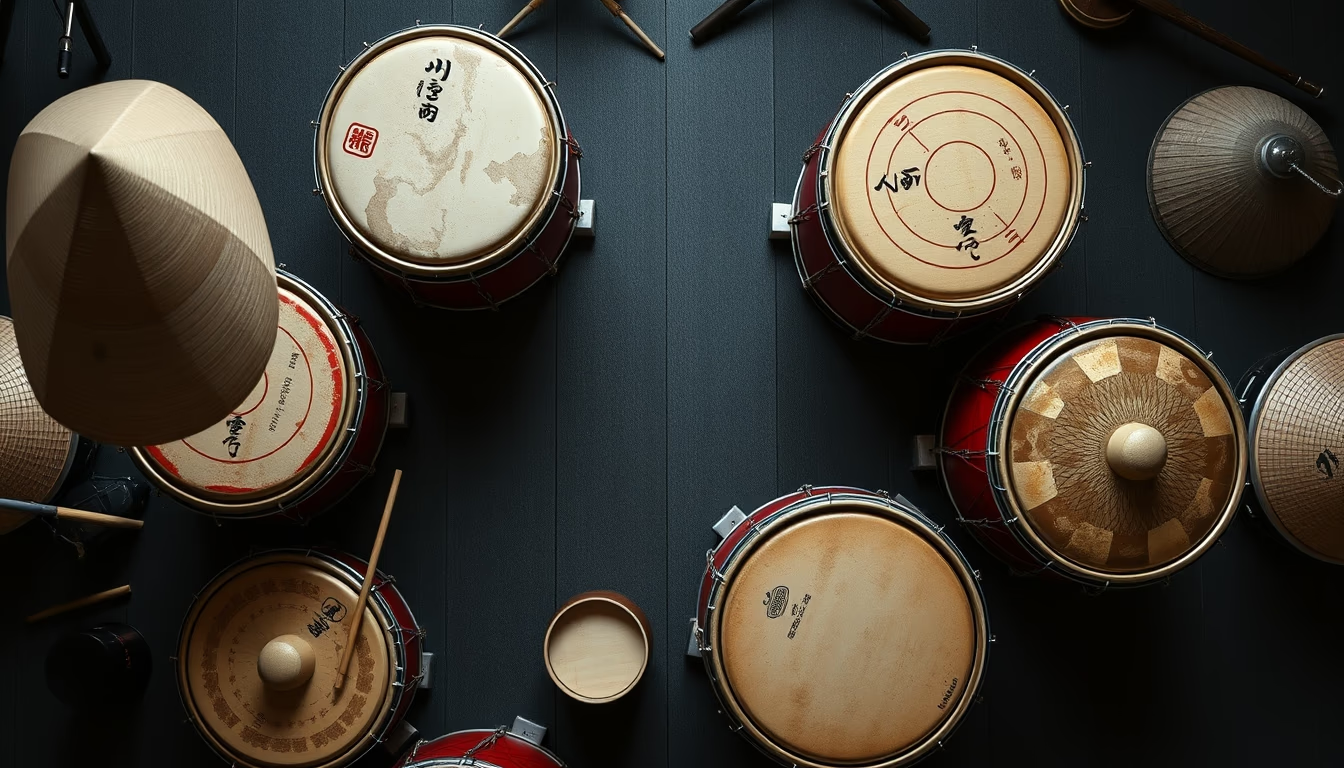
Taiko is a traditional Japanese drum used in religious ceremonies, festivals, and artistic performances, with great cultural and sonic impact.
About this subject
Taiko, meaning 'big drum' in Japanese, is a percussion instrument deeply rooted in Japan's history and culture. Its origins trace back to the Kofun period (3rd to 6th centuries), when drums were used in Shinto rituals to ward off evil spirits and mark the rhythm of agricultural celebrations. Over time, taiko was also incorporated into Noh and Kabuki theater performances, as well as Buddhist temple ceremonies.
There are various types of taiko, differing in size, shape, and materials. The most common are the nagadō-daiko, with an elongated cylindrical body, and the ō-daiko, which can exceed two meters in diameter. The drumheads are traditionally made from cured cowhide stretched over a wooden body of keyaki (Japanese elm) or hinoki (cypress). The resulting sound is deep and powerful, audible over long distances.
Taiko gained international prominence in the 1950s, with groups such as Kodo and Oedo Sukeroku Taiko popularizing ensemble drumming known as kumi-daiko. These performances combine choreographed movements, physical strength, and rhythmic precision, creating a visual and auditory spectacle. Today, hundreds of taiko groups exist worldwide, including in Brazil, notably the group Wadaiko Sho, founded in São Paulo.
Beyond entertainment, taiko retains its spiritual role in festivals like Obon and Gion Matsuri, where it is played to guide ancestral spirits and celebrate harvests. The practice of taiko is also associated with values such as discipline, teamwork, and physical endurance, often taught in Japanese schools and cultural centers.
Frequently Asked Questions
What is the origin of taiko?
Taiko originated in Japan during the Kofun period (3rd to 6th centuries), used in Shinto rituals to ward off evil spirits and mark agricultural celebrations. It later was incorporated into theater and Buddhist ceremonies.
What are the main types of taiko?
The most common types are nagadō-daiko (elongated cylindrical) and ō-daiko (large diameter). The ō-daiko can be over two meters in diameter and is mounted on a high stand.
Is taiko played only in Japan?
No. Taiko spread globally from the 1950s, led by groups like Kodo. Today hundreds of groups exist worldwide, including in Brazil, where Wadaiko Sho is a notable example.
Direct URL
https://pub-c7d6a6ea828543ac903a74a341ccb2e1.r2.dev/imagens/taiko-drum-japanese-architectural-photography-p7.avifHow to credit
Include a visible link back to UtilizAí. Copy one of the snippets below:
<a href="https://xn--utiliza-eza.com/en/midia/imagens/taiko-drum-japanese-architectural-photography-p7">Taiko drum japanese</a> by <a href="https://xn--utiliza-eza.com">UtilizAí</a>, licensed under <a href="https://creativecommons.org/licenses/by/4.0/">CC BY 4.0</a>.
[Taiko drum japanese](https://xn--utiliza-eza.com/en/midia/imagens/taiko-drum-japanese-architectural-photography-p7) by [UtilizAí](https://xn--utiliza-eza.com), CC BY 4.0
License: CC-BY-4.0