Sushi rolls colorful
1344×768 · AVIF · CC BY 4.0
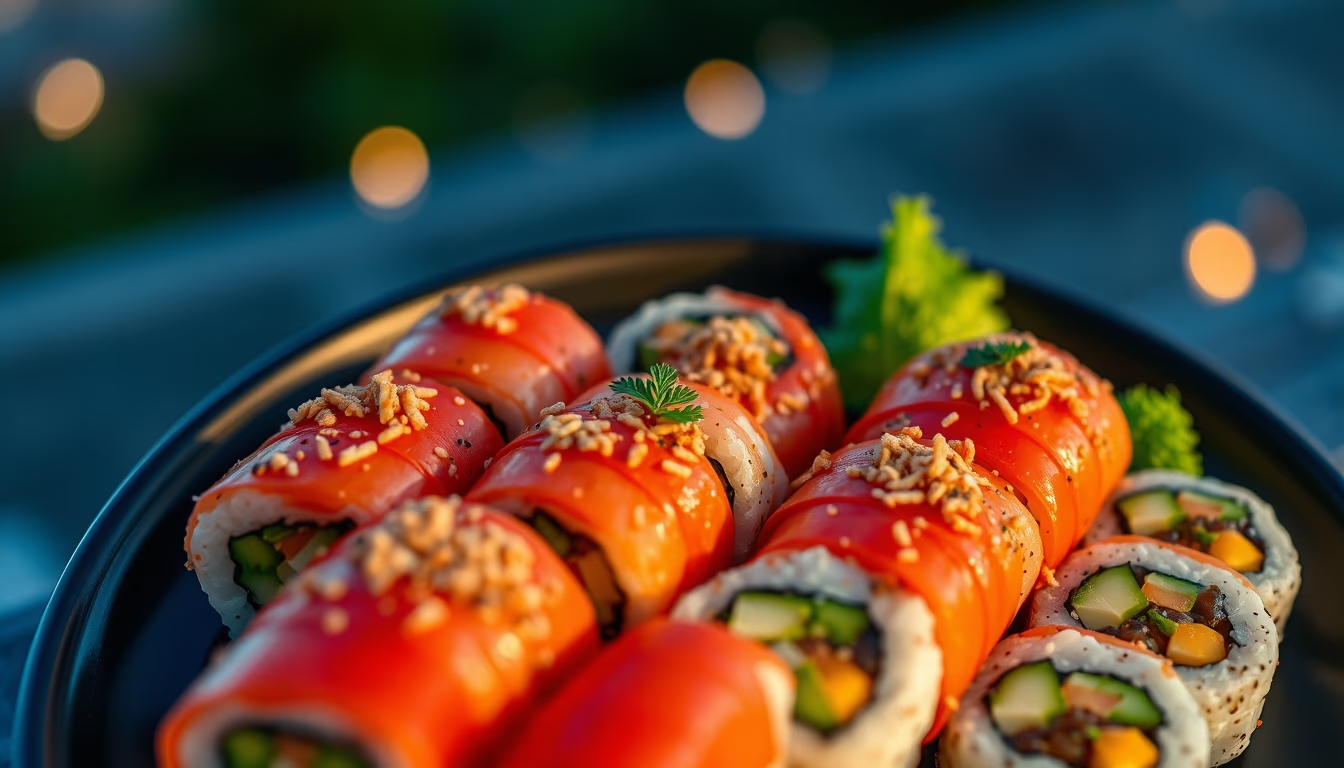
Colorful sushi rolls combine seasoned rice, nori, and diverse fillings such as salmon, cucumber, and cream cheese.
About this subject
Sushi rolls, also known as makizushi, are one of the most popular forms of sushi worldwide. Originating in Japan, they consist of vinegared rice rolled in a sheet of nori seaweed, with fillings ranging from raw fish to vegetables and fruits. Colorful rolls typically feature ingredients like salmon, tuna, avocado, mango, cucumber, and cream cheese, creating a vibrant and appetizing look.
In Brazil, sushi rolls were adapted to local tastes with the addition of cream cheese, rice flour powder, and sauces like tare and shoyu. This fusion gave rise to classics such as the Philadelphia roll (salmon and cream cheese) and the hot roll (battered and fried). Sushi consumption in the country has grown exponentially in recent decades, especially in major urban centers like São Paulo and Rio de Janeiro.
Historically, makizushi emerged in the Edo period (1603-1868) in Japan as a way to preserve fish in fermented rice. Over time, fermentation was replaced by vinegar, and sushi became a quick, nutritious dish. Today, there are dozens of regional and seasonal variations, including uramaki (rice on the outside), temaki (cone-shaped nori), and gunkan (nori wrapped around rice topped with ingredients).
The global popularity of sushi rolls was boosted by the Japanese diaspora and adaptation to local ingredients. In countries like the United States and the United Kingdom, versions like the California roll (imitation crab, avocado, cucumber) have become icons. The colorful presentation on plates not only pleases the eye but also reflects the variety of flavors and textures that make sushi a unique and versatile dining experience.
Frequently Asked Questions
What are the main ingredients in a colorful sushi roll?
Seasoned rice, nori seaweed, salmon, tuna, avocado, mango, cucumber, and cream cheese are common to create vibrant colors.
What is the difference between maki, uramaki, and temaki?
Maki has nori on the outside, uramaki has rice on the outside, and temaki is a cone-shaped roll with exposed filling.
How were sushi rolls adapted in Brazil?
In Brazil, ingredients like cream cheese and sauces such as tare are incorporated, and fried versions like hot roll are popular, reflecting a fusion with local cuisine.
Direct URL
https://pub-c7d6a6ea828543ac903a74a341ccb2e1.r2.dev/imagens/sushi-rolls-colorful-aerial-drone-shot-p4.avifHow to credit
Include a visible link back to UtilizAí. Copy one of the snippets below:
<a href="https://xn--utiliza-eza.com/en/midia/imagens/sushi-rolls-colorful-aerial-drone-shot-p4">Sushi rolls colorful</a> by <a href="https://xn--utiliza-eza.com">UtilizAí</a>, licensed under <a href="https://creativecommons.org/licenses/by/4.0/">CC BY 4.0</a>.
[Sushi rolls colorful](https://xn--utiliza-eza.com/en/midia/imagens/sushi-rolls-colorful-aerial-drone-shot-p4) by [UtilizAí](https://xn--utiliza-eza.com), CC BY 4.0
License: CC-BY-4.0