Surgical instruments laid out sterile
1344×768 · AVIF · CC BY 4.0
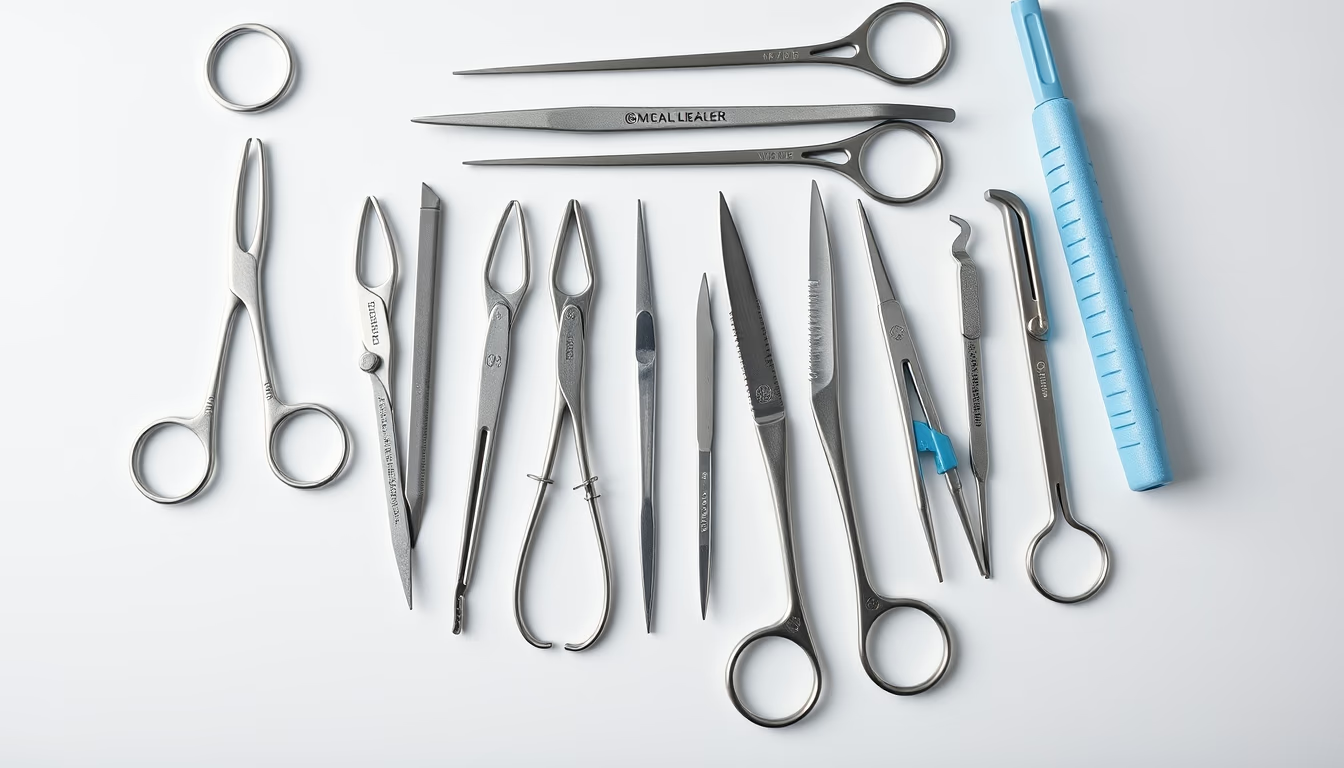
A set of sterile surgical instruments laid out on a sterile field, essential for aseptic procedures in hospitals and clinics.
About this subject
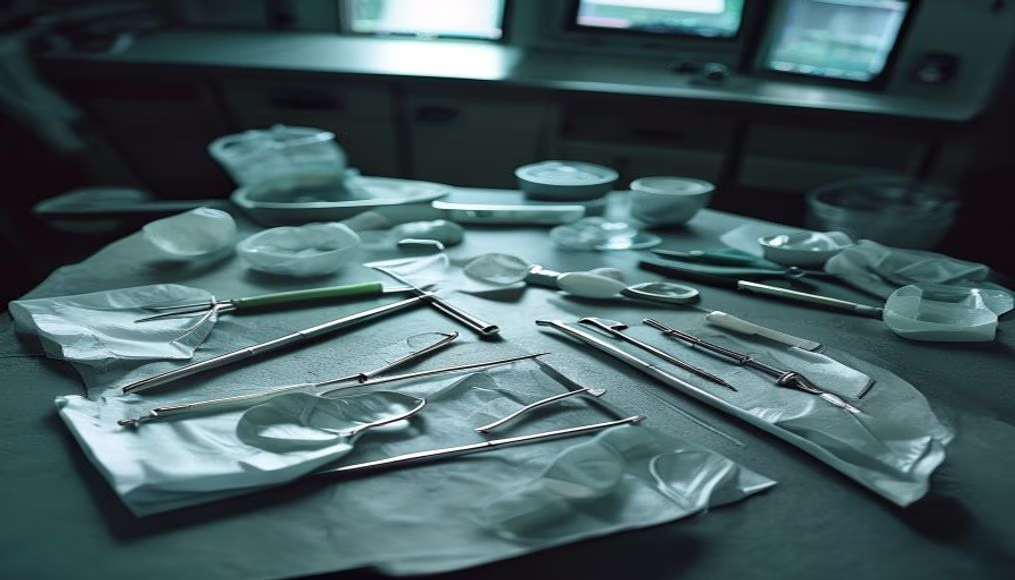
Surgical instruments are specialized tools designed to perform specific actions during surgical procedures. They include scalpels for incisions, forceps for grasping and dissecting, scissors for cutting tissues, retractors to expose the operative field, and needles for suturing. Each instrument is made of high-quality stainless steel, resistant to corrosion and capable of withstanding repeated sterilization processes. The organized layout on a sterile field is crucial for surgical efficiency and patient safety.
Sterilization of surgical instruments is a cornerstone of modern medicine, preventing hospital infections and postoperative complications. The most common method is autoclaving, which uses saturated steam at high pressure and temperature (typically 121°C to 134°C) to eliminate all microorganisms, including spores. Other methods include ethylene oxide sterilization, hydrogen peroxide plasma, and gamma radiation, indicated for heat-sensitive materials. The choice depends on the instrument type and its resistance.
Historically, the introduction of surgical asepsis by Joseph Lister in the 19th century revolutionized medicine, drastically reducing mortality rates from infections. Before that, instruments were merely washed and reused without proper disinfection. Today, strict protocols govern everything from pre-sterilization cleaning to storage in sterile packaging. Traceability of each sterilization batch is mandatory in many countries, ensuring process quality. Brazil, for example, follows ANVISA guidelines for health services, which include periodic equipment validation and continuous professional training.
In addition to traditional instruments, technological advances have brought robotic and miniaturized surgical instruments, such as those used in laparoscopic and robotic surgeries. These devices also undergo rigorous sterilization processes, often using low-temperature methods to preserve electronic components. Maintaining sterility from preparation to use during surgery is a complex logistical process involving sealed packaging, sterile fields, and surgical attire techniques. Every detail aims to minimize patient infection risk, reflecting medicine's commitment to safety and procedural efficacy.
Frequently Asked Questions
What are the most common surgical instruments?
The most common surgical instruments include scalpels for incisions, forceps for grasping, scissors for cutting, retractors for exposing tissues, and needle holders for suturing. Each type has variations for specific uses, such as hemostatic forceps for bleeding control.
How are surgical instruments sterilized?
The primary method is autoclaving, using saturated steam at high temperature (121°C to 134°C) and pressure. Other methods include ethylene oxide, hydrogen peroxide plasma, and gamma radiation, selected based on material sensitivity.
Why is sterilization crucial in surgeries?
Sterilization eliminates all microorganisms, preventing surgical site infections that can lead to severe complications, sepsis, and increased mortality. It is a basic patient safety requirement.
Direct URL
https://pub-c7d6a6ea828543ac903a74a341ccb2e1.r2.dev/imagens/surgical-instruments-laid-out-sterile-commercial-product-photography-v9.avifHow to credit
Include a visible link back to UtilizAí. Copy one of the snippets below:
<a href="https://xn--utiliza-eza.com/en/midia/imagens/surgical-instruments-laid-out-sterile-commercial-product-photography-v9">Surgical instruments laid out sterile</a> by <a href="https://xn--utiliza-eza.com">UtilizAí</a>, licensed under <a href="https://creativecommons.org/licenses/by/4.0/">CC BY 4.0</a>.
[Surgical instruments laid out sterile](https://xn--utiliza-eza.com/en/midia/imagens/surgical-instruments-laid-out-sterile-commercial-product-photography-v9) by [UtilizAí](https://xn--utiliza-eza.com), CC BY 4.0
License: CC-BY-4.0