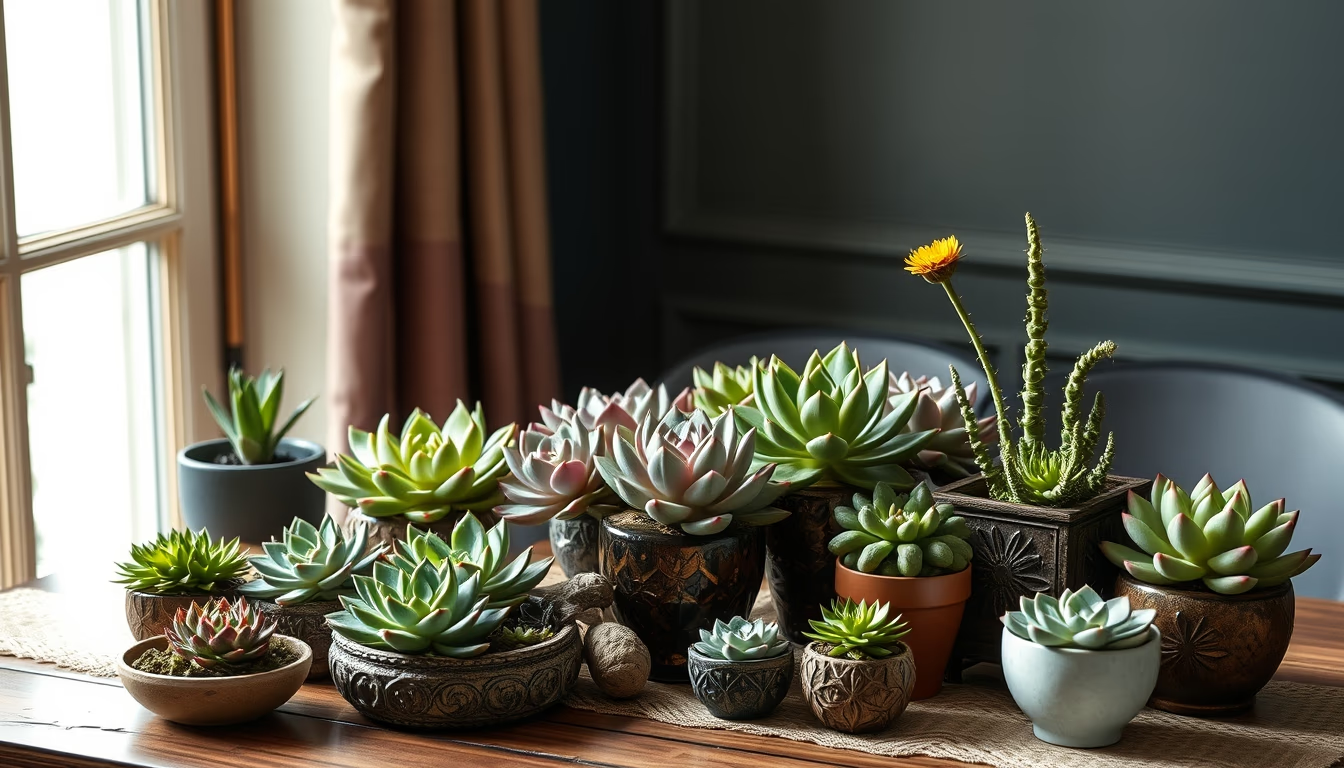
Succulent collection table
1344×768 · AVIF · CC BY 4.0
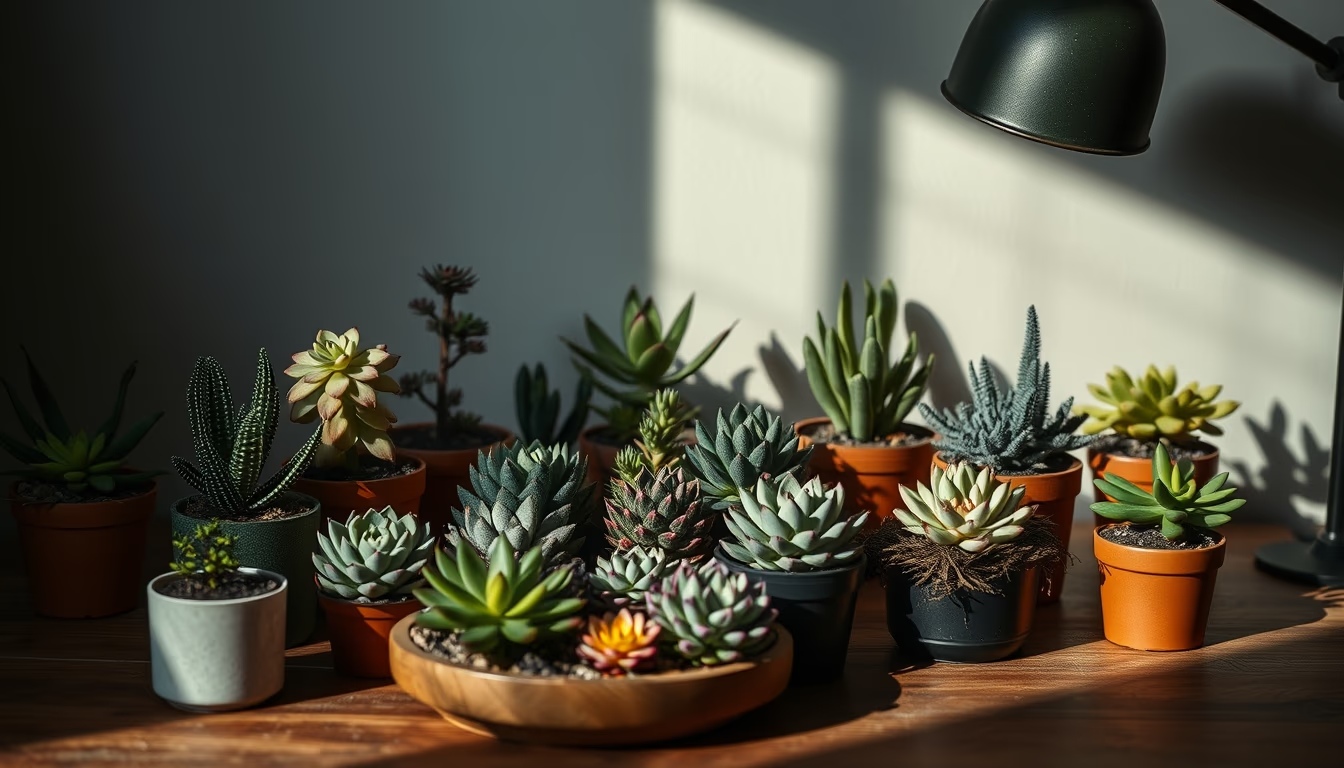
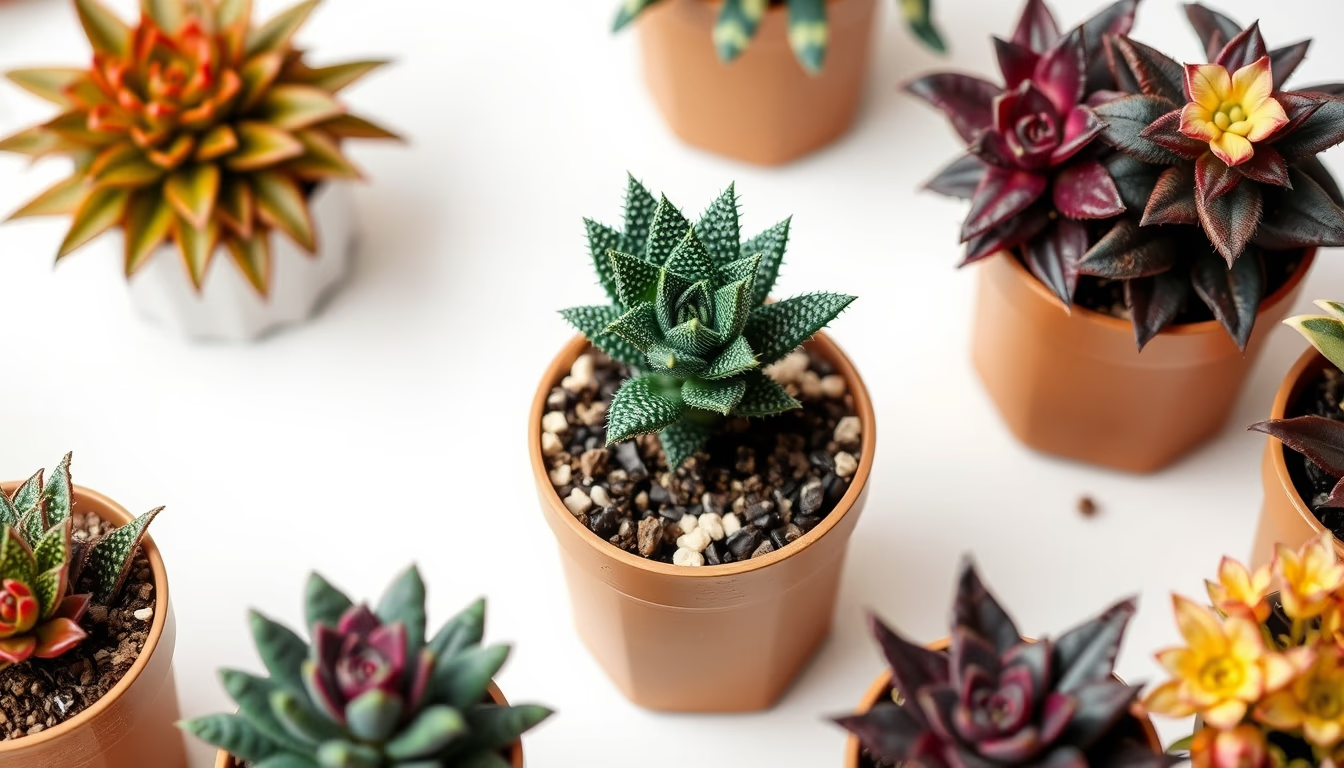
A collection of succulents on a table, combining various species to create a low-maintenance decorative arrangement.
About this subject
Succulents are plants that store water in their leaves, stems, or roots, adapting to arid environments. With over 10,000 cataloged species, they vary enormously in shape, color, and texture, from small Echeverias to tall Crassulas. In Brazil, succulents have boomed in popularity in recent years, driven by the interest in low-maintenance decorative plants. They are ideal for those with limited time or gardening experience, requiring infrequent watering and indirect light.
A succulent arrangement on a table can include contrasting species like the rosette of Haworthia, the elongated leaves of Sansevieria, and the globular forms of Lithops. The choice of pots matters: unglazed ceramic, terracotta, or even recycled containers favor drainage. For a harmonious look, many enthusiasts organize plants at different heights using stands or multi-level tables.
Curiously, some succulents develop intense colors (chromatic stress) when exposed to more light or cold, acquiring shades of red, purple, or orange. This phenomenon is safe for the plant and prized by collectors. In home cultivation, succulents often bloom once a year, producing stems with delicate bell-shaped or star-shaped flowers. Despite their resilience, overwatering is the leading cause of death: water only when the soil is dry is key.
Creating a succulent table is not just about aesthetics. It can be a starting point for learning plant biology and sustainability, as many succulents propagate easily from leaves or cuttings. Arranging them is a relaxing activity that connects people to nature, even in urban spaces. With creativity, one can assemble themes like miniature deserts or zen gardens, using stones, sand, and small decorative objects.
Frequently Asked Questions
How to care for succulents in an apartment with low natural light?
Succulents need bright indirect light, so place them near north- or east-facing windows. If light is insufficient, use grow lights for 6 to 8 hours daily. Species like Sansevieria and Haworthia tolerate lower light.
What is the ideal watering frequency for succulents?
Water only when the soil is completely dry. In summer, this may be every 7 to 10 days; in winter, every 2 to 4 weeks. Always water deeply until it drains from the bottom, and avoid wetting the leaves.
Is it normal for succulents to change color after purchase?
Yes, it is common. Many succulents change color in response to intense light or controlled water stress, displaying reddish, orange, or purple tones. This does not harm the plant if cultivation is appropriate.
Direct URL
https://pub-c7d6a6ea828543ac903a74a341ccb2e1.r2.dev/imagens/succulent-collection-table-rembrandt-lighting-dramatic-shadows-fresh11.avifHow to credit
Include a visible link back to UtilizAí. Copy one of the snippets below:
<a href="https://xn--utiliza-eza.com/en/midia/imagens/succulent-collection-table-rembrandt-lighting-dramatic-shadows-fresh11">Succulent collection table</a> by <a href="https://xn--utiliza-eza.com">UtilizAí</a>, licensed under <a href="https://creativecommons.org/licenses/by/4.0/">CC BY 4.0</a>.
[Succulent collection table](https://xn--utiliza-eza.com/en/midia/imagens/succulent-collection-table-rembrandt-lighting-dramatic-shadows-fresh11) by [UtilizAí](https://xn--utiliza-eza.com), CC BY 4.0
License: CC-BY-4.0