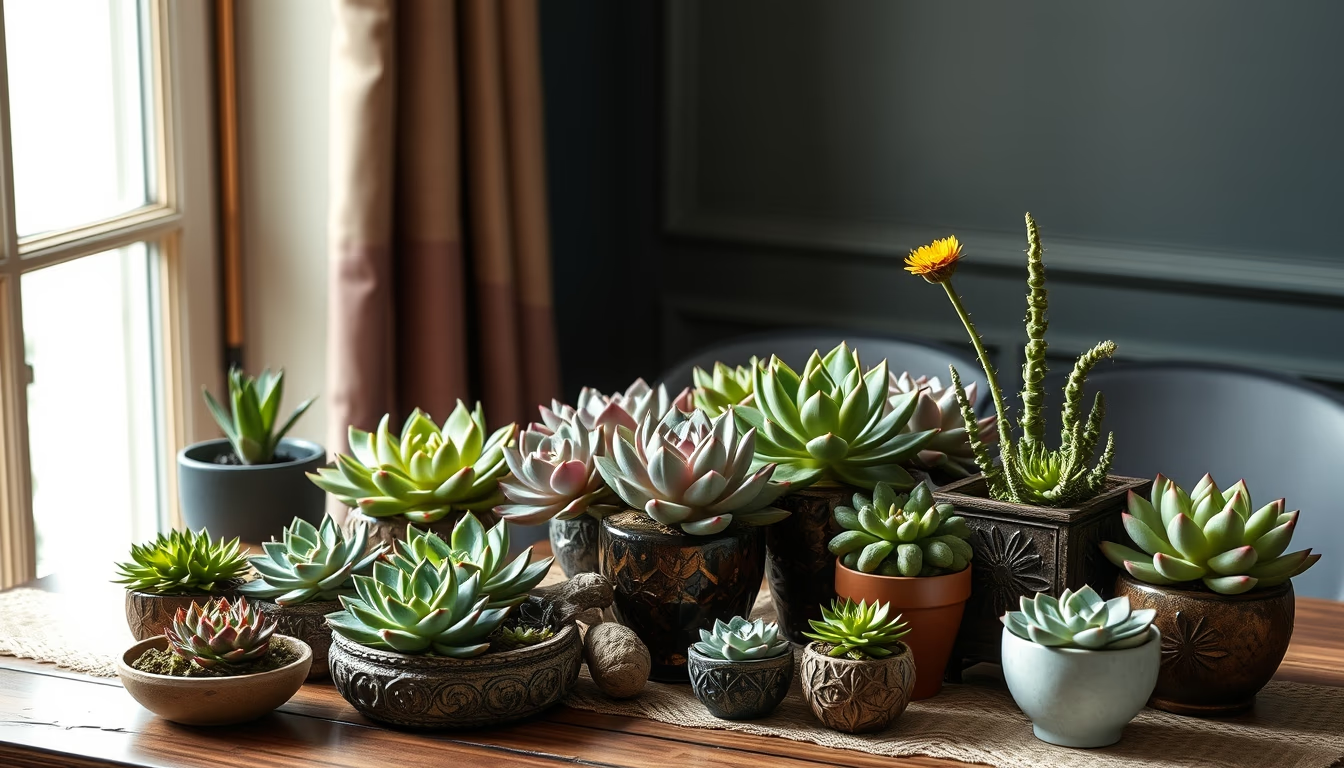
Succulent collection table
1344×768 · AVIF · CC BY 4.0
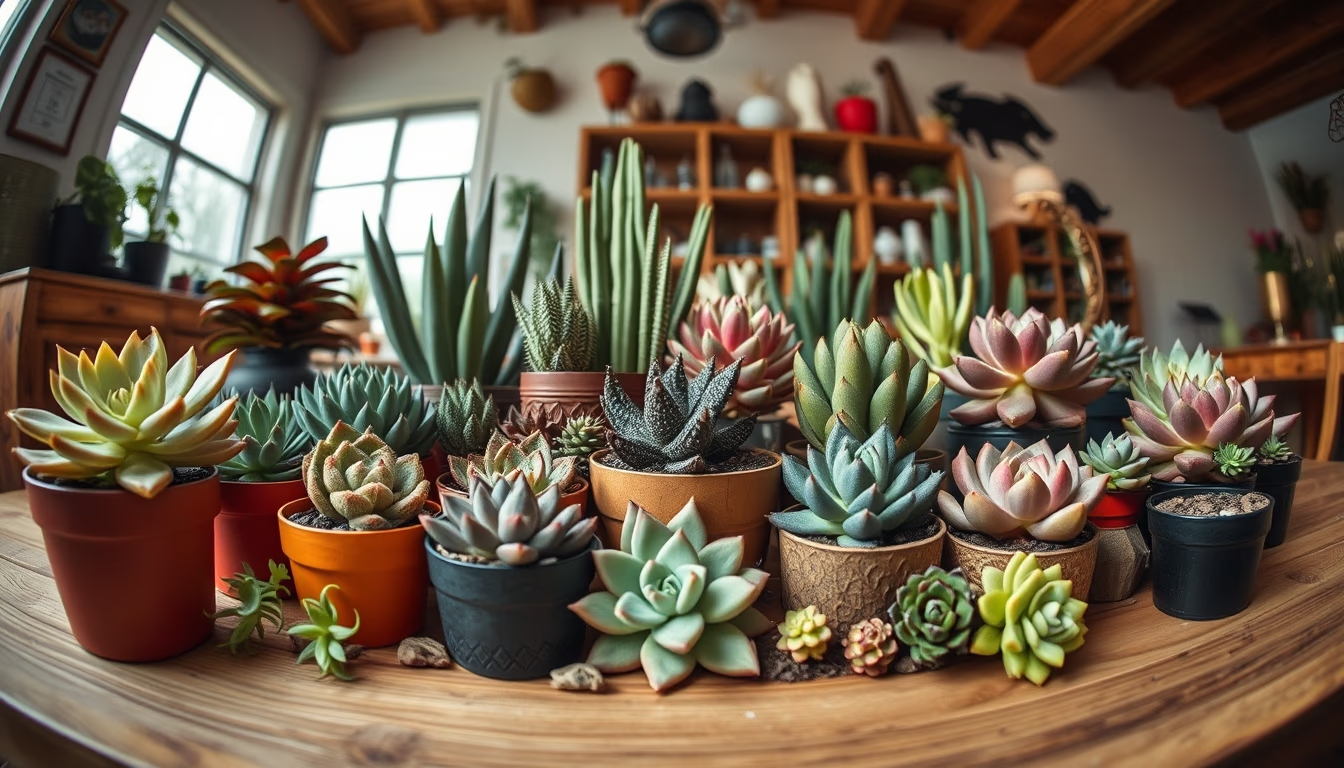
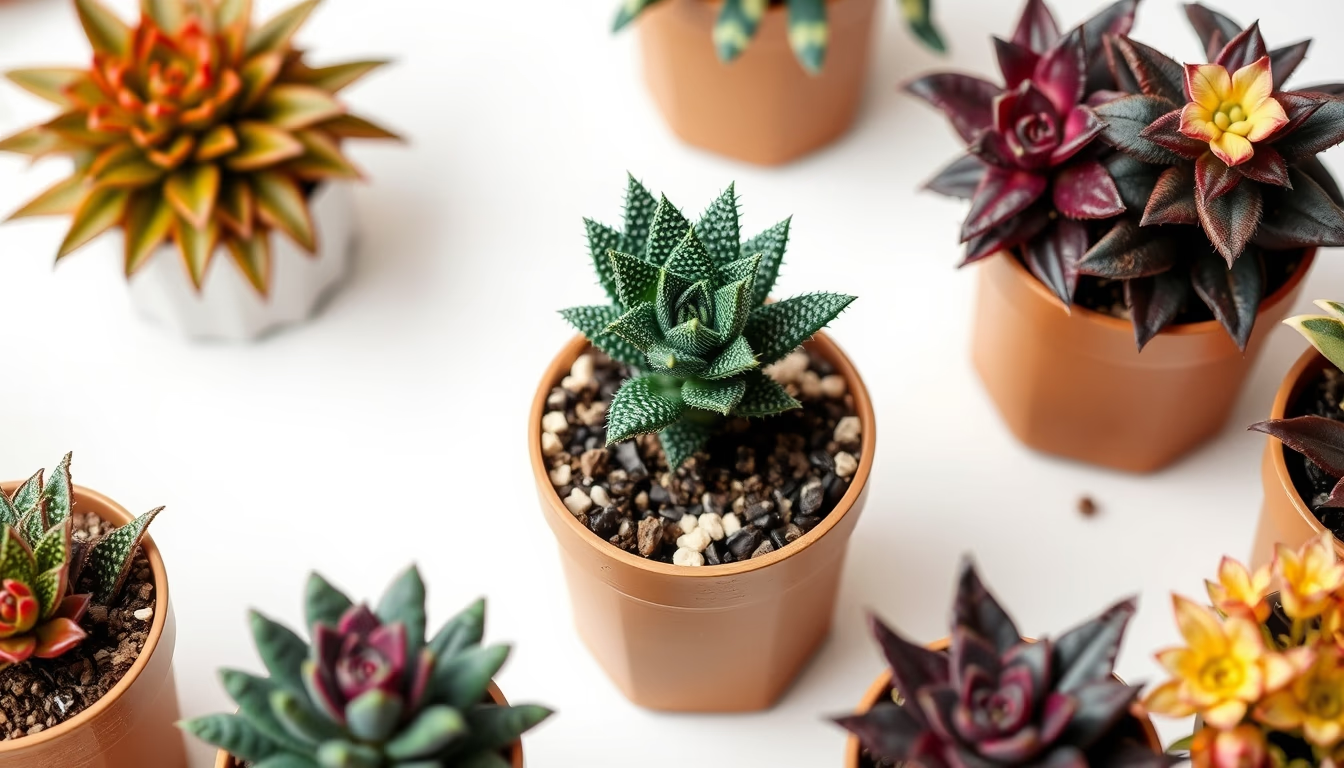
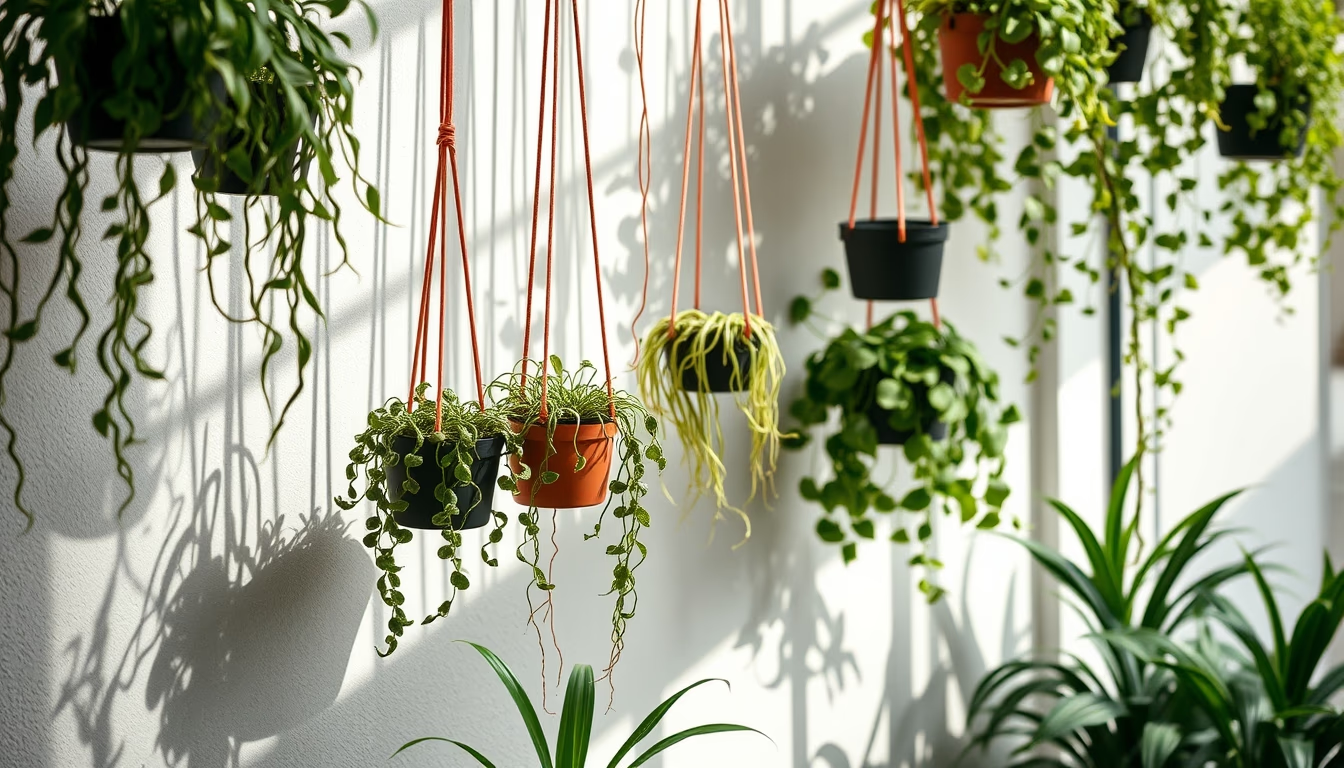
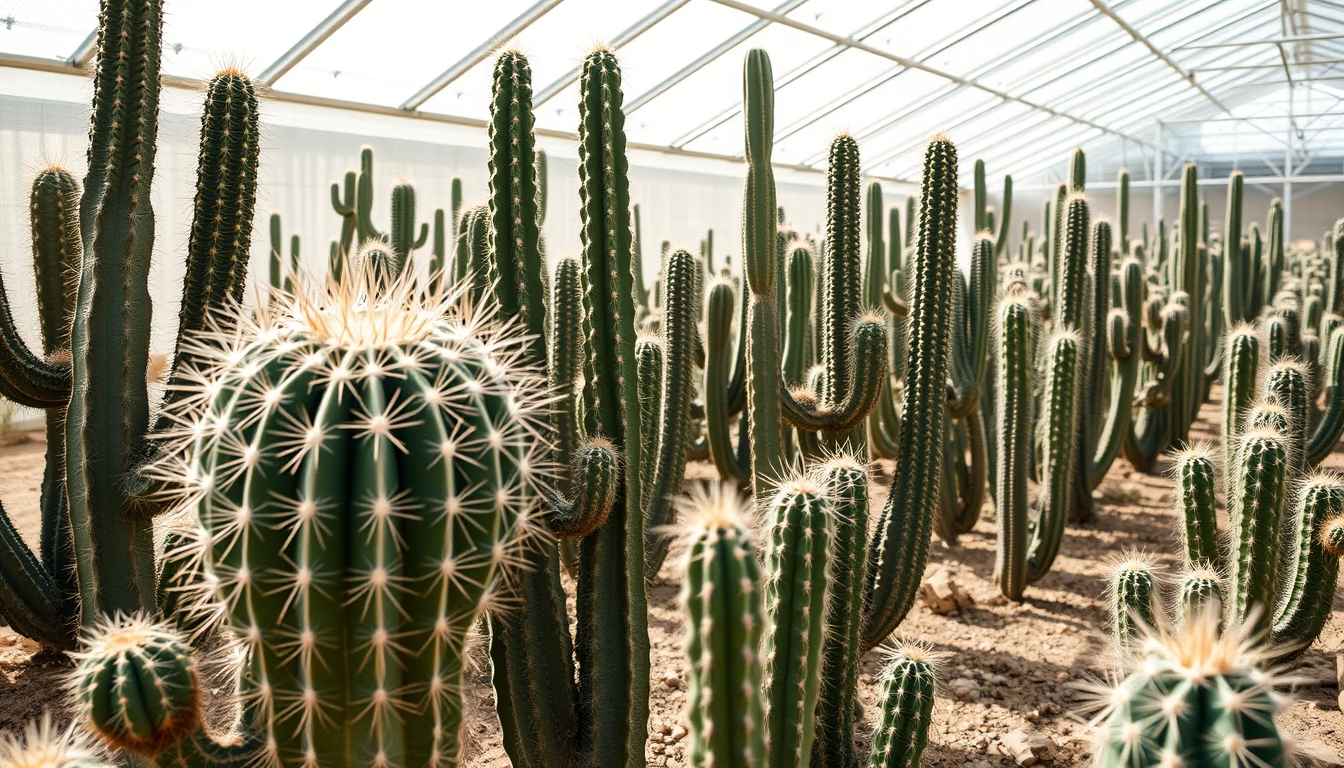
Succulent collecting is a hobby that combines aesthetics and practicality, with species that store water and require minimal maintenance.
About this subject
Succulents are xerophytic plants that store water in their leaves, stems, or roots, adapting to arid climates. Originally from regions such as Africa, Central America, and South America, they include families like Crassulaceae (Echeveria, Sedum) and Asphodelaceae (Aloe). There are over 10,000 species of succulents worldwide, many of them popular as ornamental plants due to their hardiness and variety of shapes and colors.
Cultivating a succulent collection requires attention to factors like soil drainage and sun exposure. These plants prefer sandy or cactus-specific substrates, with moderate watering only when the soil is dry. Indoors, they need intense indirect light to avoid etiolation. Propagation by leaves or cuttings is simple, allowing easy expansion of a collection.
In Brazil, succulents are widely grown in rock gardens, pots, and terrariums, especially in dry climates like the Northeast. The hobby of collecting succulents gained popularity with social media, where enthusiasts share photos of arrangements and care tips. Events like plant fairs and collector meetups occur in many cities, promoting the exchange of cuttings and knowledge.
Fun facts: some succulents are toxic to pets (such as Kalanchoe). The term "succulent" is not scientific but refers to plants with succulent adaptations. The largest genus of succulents is Euphorbia, with African and American species. The most well-known succulent is Echeveria elegans, sometimes mistakenly called "lucky bamboo" in some contexts.
Frequently Asked Questions
What are the easiest succulents to grow for beginners?
Echeveria elegans (hen and chicks), Sedum morganianum (burro's tail), and Aloe vera are excellent choices. They tolerate irregular watering and adapt well to bright indoor environments.
How to tell if a succulent is overwatered?
Signs include soft, translucent leaves that fall off easily, plus dark spots on the stem. Waterlogged soil also indicates overwatering, which can lead to root rot.
How to propagate succulents from a leaf?
Remove the whole leaf (without tearing), let it callus for 2-3 days in a dry place, then place it on moist substrate. Within a few weeks, roots and a new rosette will form.
Direct URL
https://pub-c7d6a6ea828543ac903a74a341ccb2e1.r2.dev/imagens/succulent-collection-table-fish-eye-wide-angle-fresh9.avifHow to credit
Include a visible link back to UtilizAí. Copy one of the snippets below:
<a href="https://xn--utiliza-eza.com/en/midia/imagens/succulent-collection-table-fish-eye-wide-angle-fresh9">Succulent collection table</a> by <a href="https://xn--utiliza-eza.com">UtilizAí</a>, licensed under <a href="https://creativecommons.org/licenses/by/4.0/">CC BY 4.0</a>.
[Succulent collection table](https://xn--utiliza-eza.com/en/midia/imagens/succulent-collection-table-fish-eye-wide-angle-fresh9) by [UtilizAí](https://xn--utiliza-eza.com), CC BY 4.0
License: CC-BY-4.0