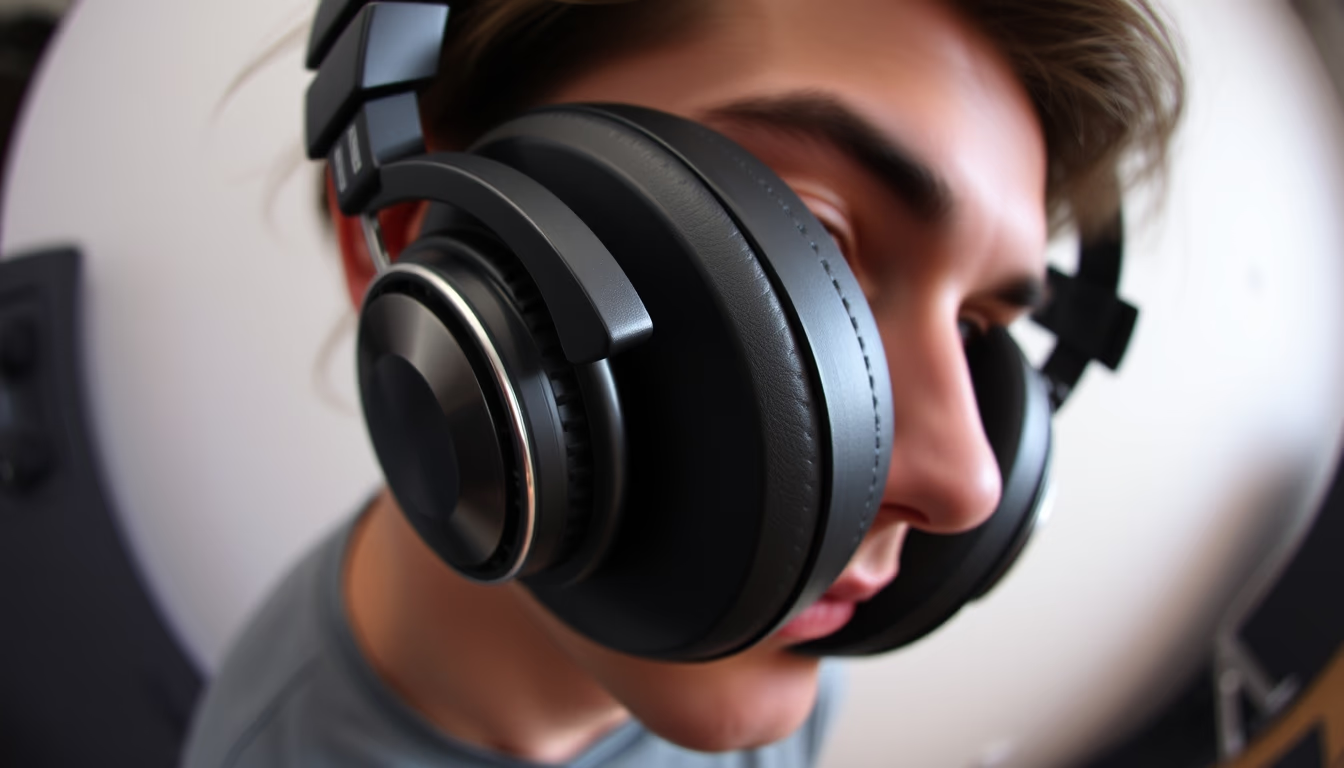
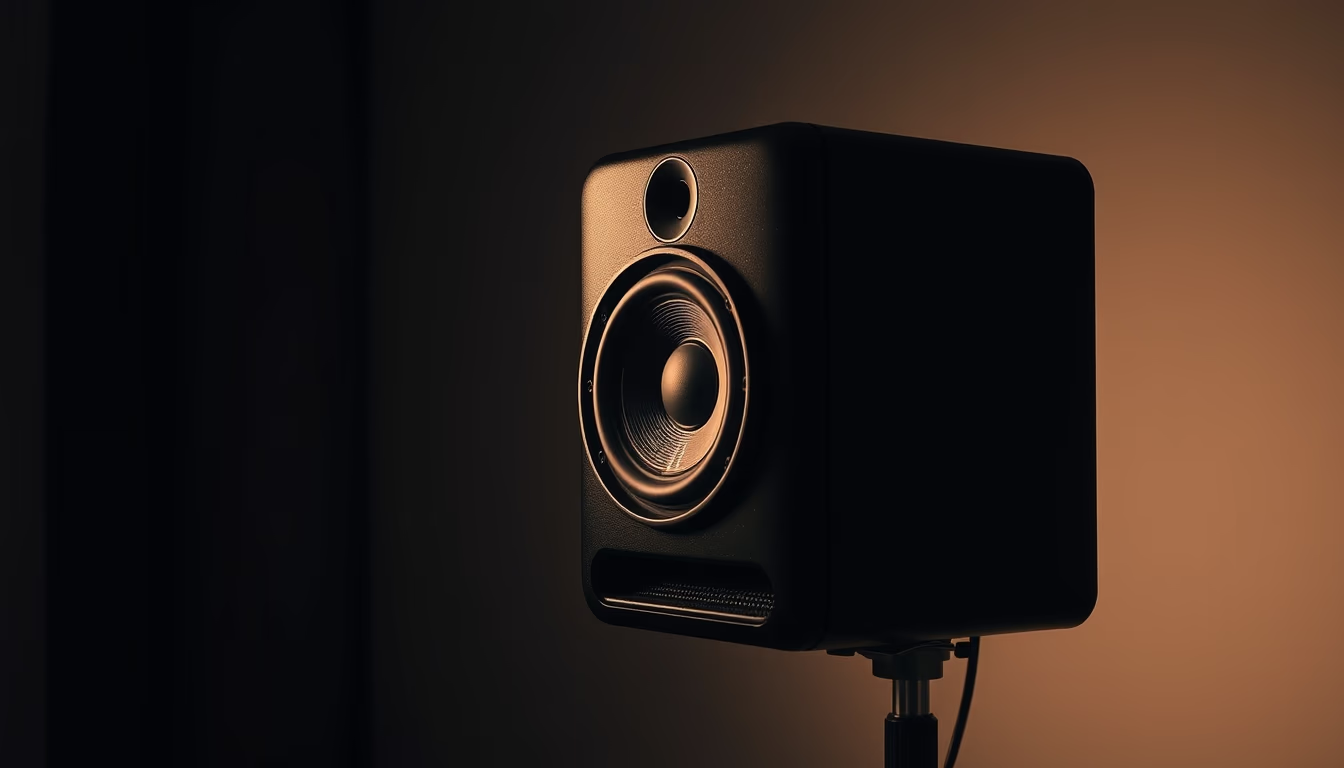
Studio monitor speaker
1344×768 · AVIF · CC BY 4.0
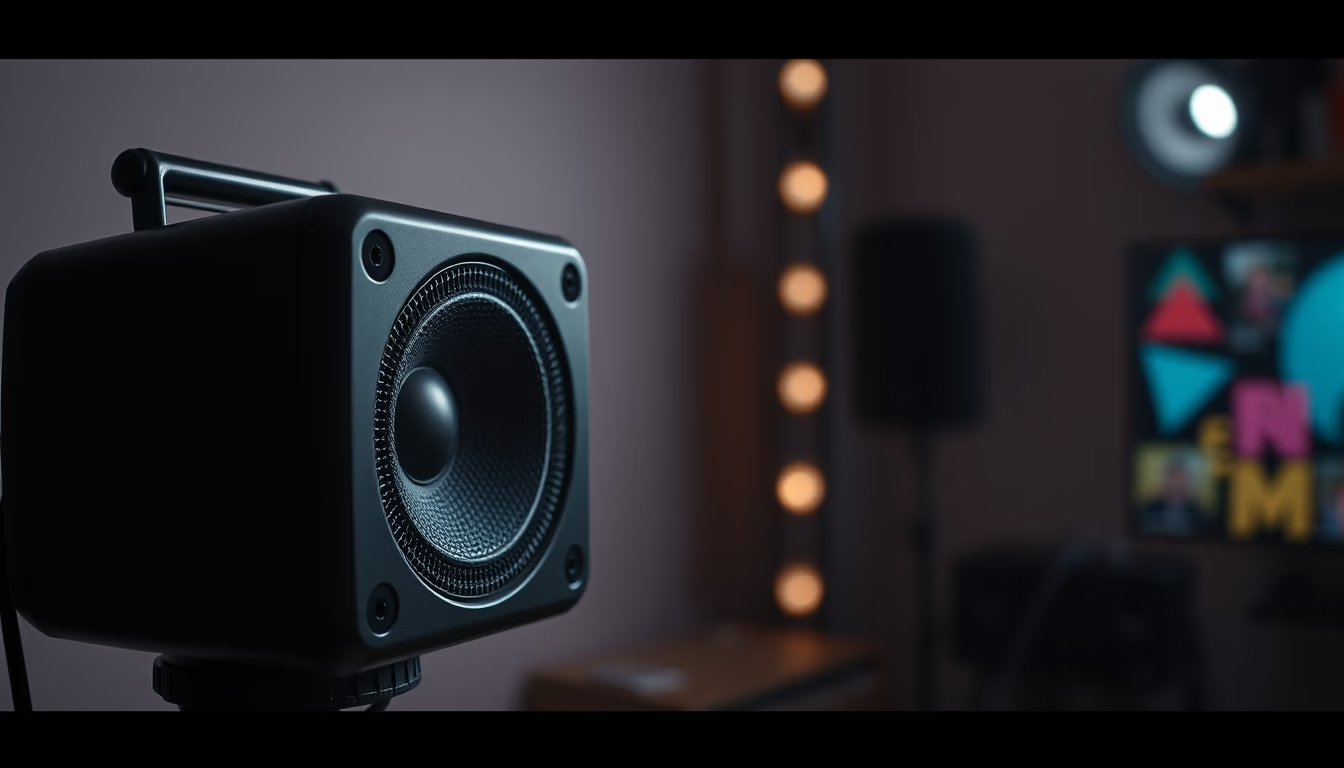
Professional loudspeakers for mixing and mastering, essential in recording studios and music production.
About this subject
Studio monitors are loudspeakers designed for accurate and uncolored audio reproduction, unlike regular speakers that often emphasize bass or treble to please the listener. They are the primary sound reference tool in recording, mixing and mastering studios, allowing sound engineers and music producers to hear every detail of a recording with clarity and precision.
The fundamental difference between a studio monitor and a common speaker lies in the linear frequency response. Studio monitors aim to reproduce the audio signal as faithfully as possible, without boosting or cutting frequencies. This is crucial for making mixing decisions that translate well to other playback systems, such as headphones, car stereos, or smartphone speakers. Brands like Yamaha, Genelec, KRK, and JBL are market references, with iconic models like the Yamaha NS-10, which became a studio standard since the 1970s.
There are two main types of studio monitors: active and passive. Active monitors have built-in amplifiers and often offer equalization controls to adjust for room acoustics. Passive monitors rely on an external amplifier. Monitors can also be nearfield (placed close to the listener to minimize room acoustics) or farfield (used in larger, acoustically treated rooms).
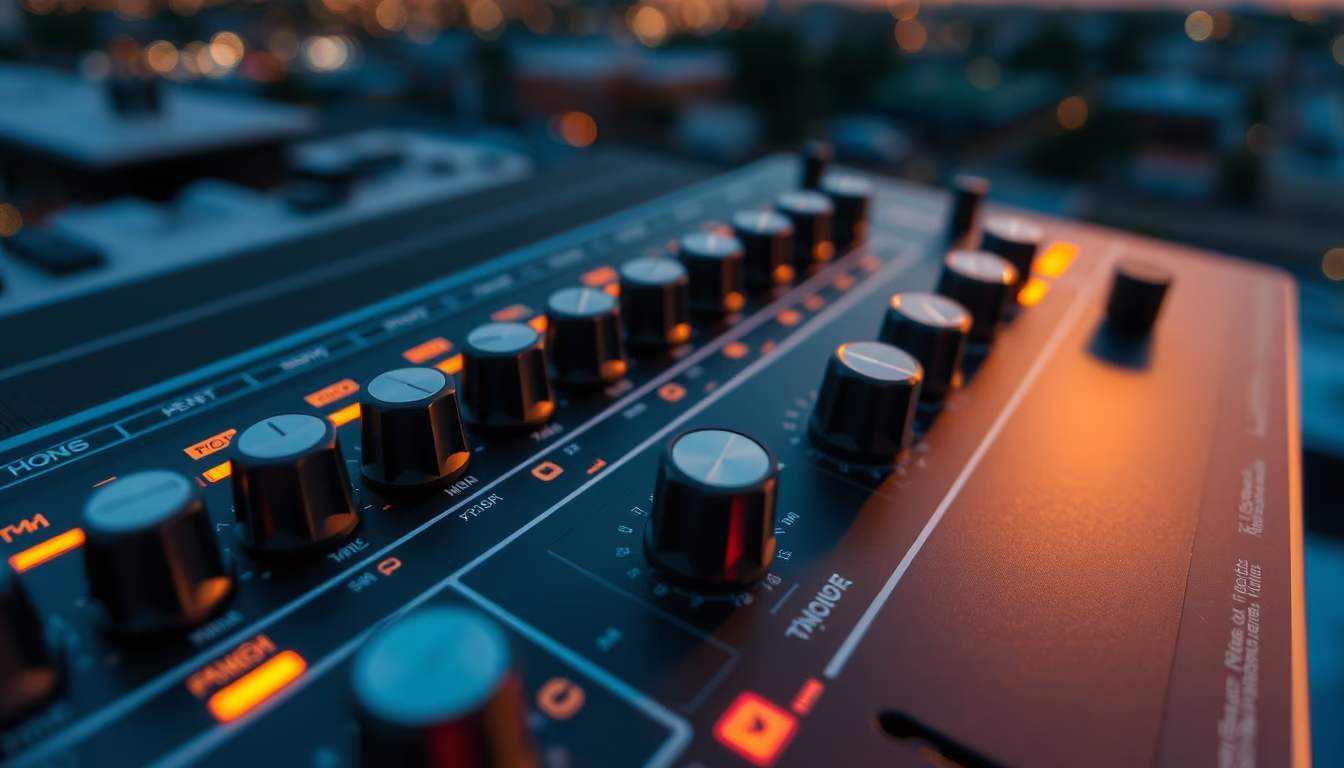
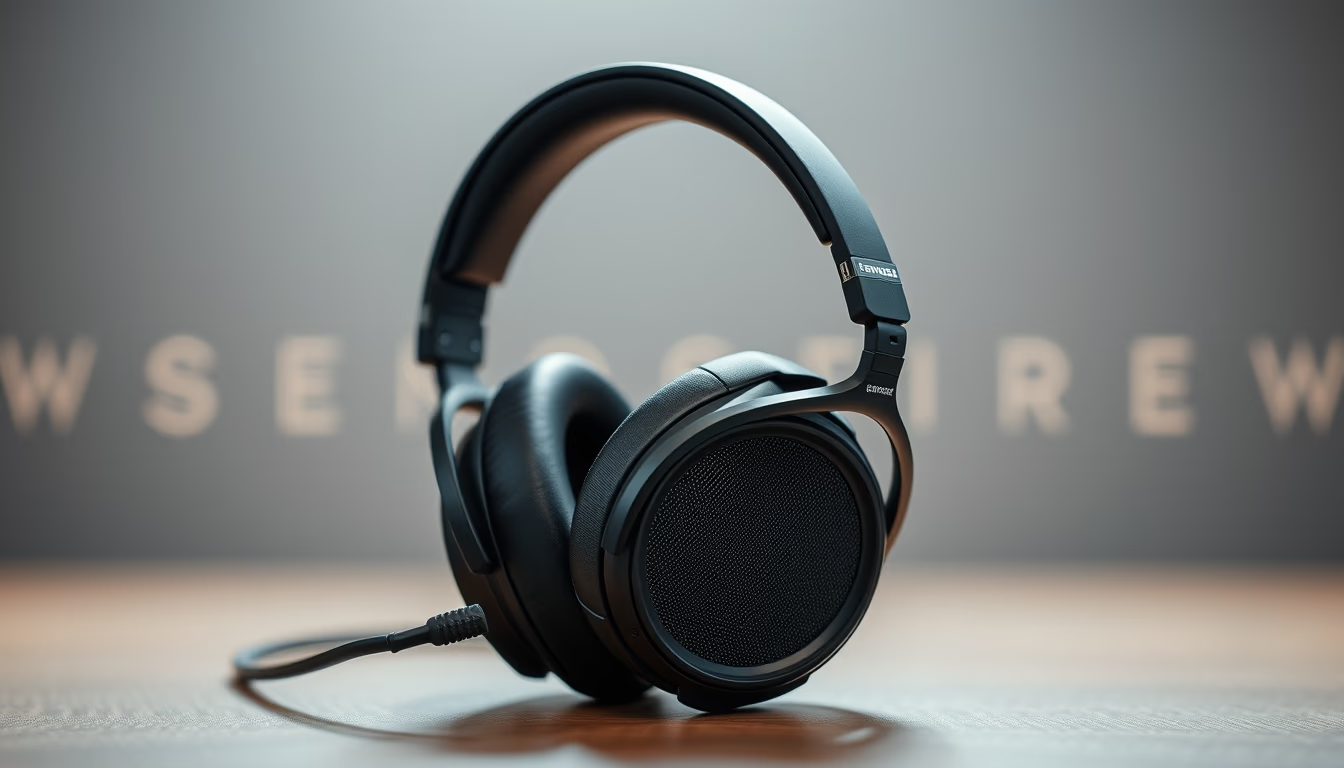
An interesting curiosity is that many electronic and Lo-Fi music producers use studio monitors even in home setups, seeking sonic accuracy for their mixes. The Lo-Fi style, which deliberately incorporates sonic imperfections like vinyl noise and saturation, paradoxically relies on precise monitors to control these effects intentionally. The image associated with this text, with its disposable camera aesthetic, evokes precisely this nostalgic and grainy atmosphere of the Lo-Fi universe.
Frequently Asked Questions
What is the difference between a studio monitor and a regular speaker?
Studio monitors have a flat frequency response, reproducing audio without coloration, while regular speakers often boost bass or treble to sound more pleasing. Monitors are designed for critical listening, not entertainment.
Do I need studio monitors to produce music at home?
Yes, they help you create mixes that translate well to different systems. However, reference headphones are also an option. Ideally, combine both to check mix translation.
What do 'nearfield' and 'farfield' mean in studio monitors?
Nearfield monitors are placed close to the listener (1 to 2 meters) to minimize room acoustics. Farfield monitors are larger, used at greater distances, and require proper room acoustic treatment to perform well.
Direct URL
https://pub-c7d6a6ea828543ac903a74a341ccb2e1.r2.dev/imagens/studio-monitor-speaker-lo-fi-disposable-camera-fresh12.avifHow to credit
Include a visible link back to UtilizAí. Copy one of the snippets below:
<a href="https://xn--utiliza-eza.com/en/midia/imagens/studio-monitor-speaker-lo-fi-disposable-camera-fresh12">Studio monitor speaker</a> by <a href="https://xn--utiliza-eza.com">UtilizAí</a>, licensed under <a href="https://creativecommons.org/licenses/by/4.0/">CC BY 4.0</a>.
[Studio monitor speaker](https://xn--utiliza-eza.com/en/midia/imagens/studio-monitor-speaker-lo-fi-disposable-camera-fresh12) by [UtilizAí](https://xn--utiliza-eza.com), CC BY 4.0
License: CC-BY-4.0