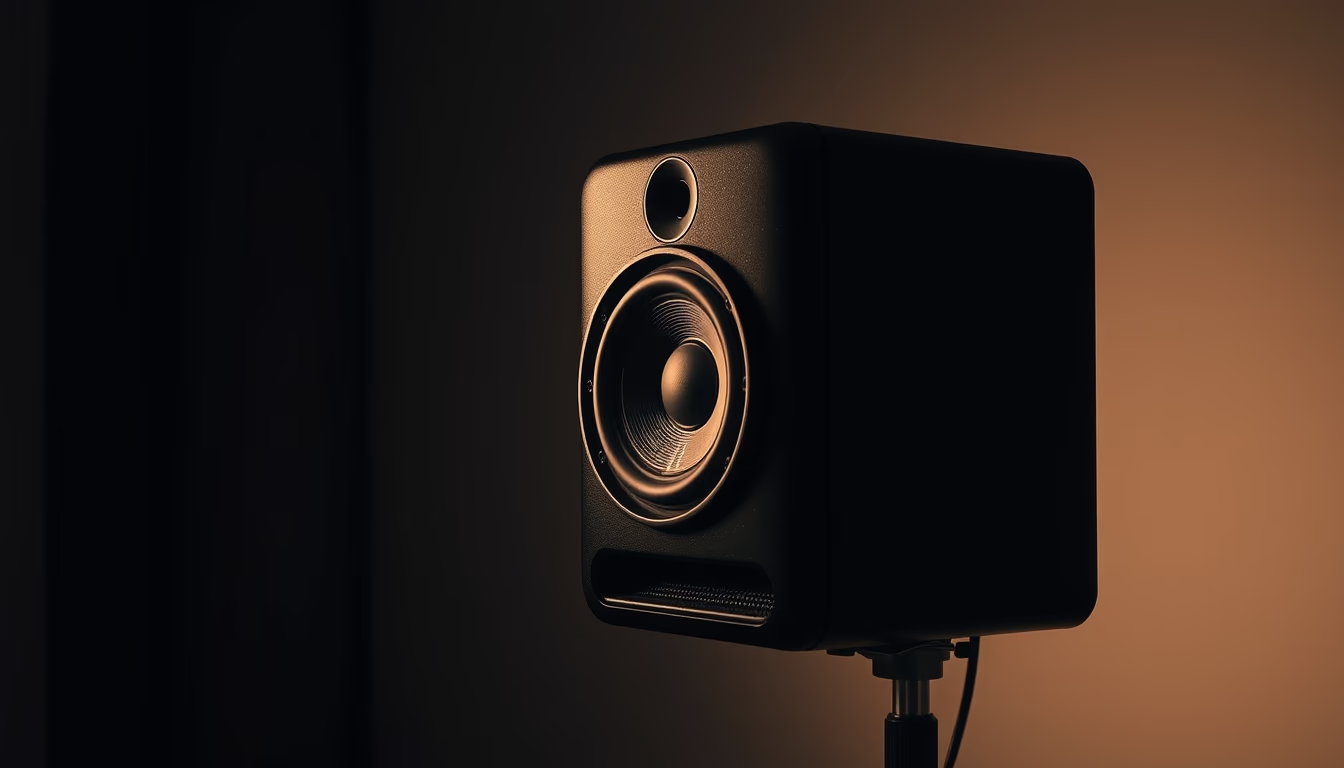
Studio monitor speaker
1344×768 · AVIF · CC BY 4.0
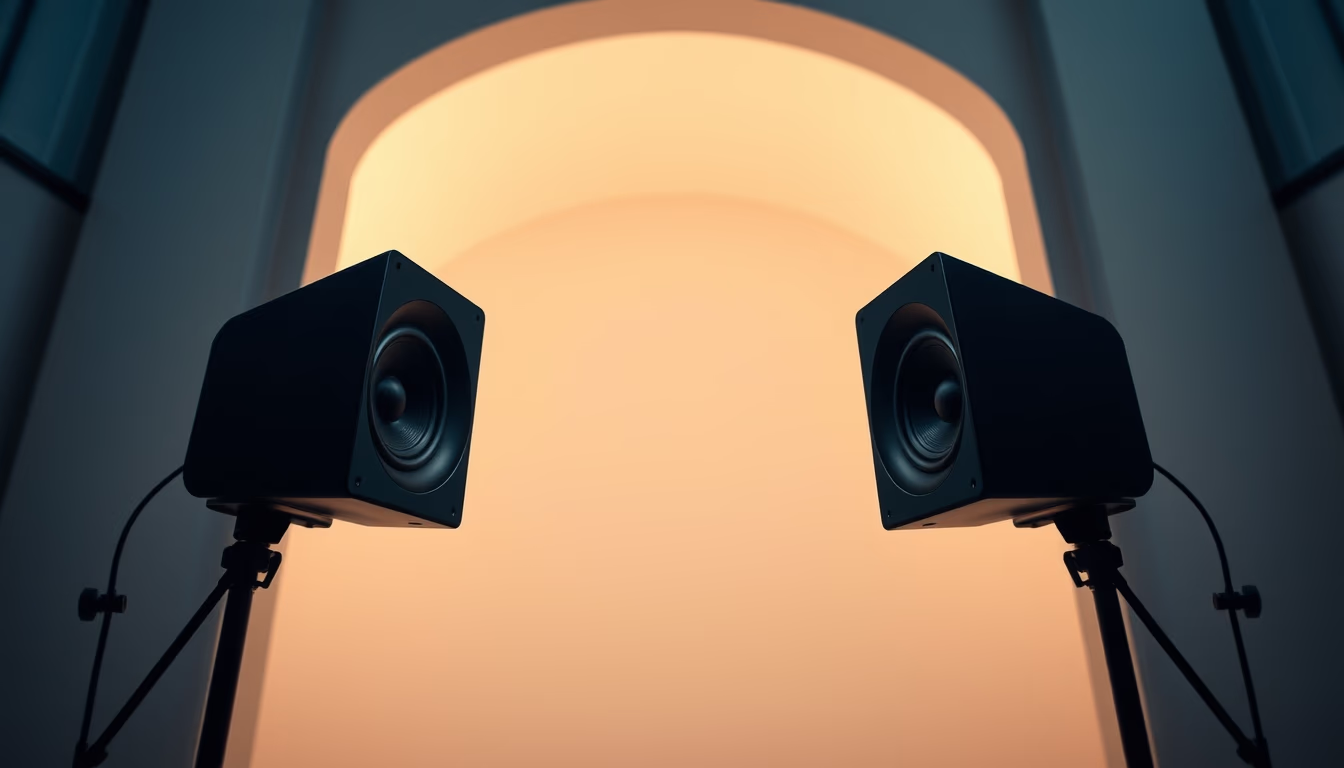
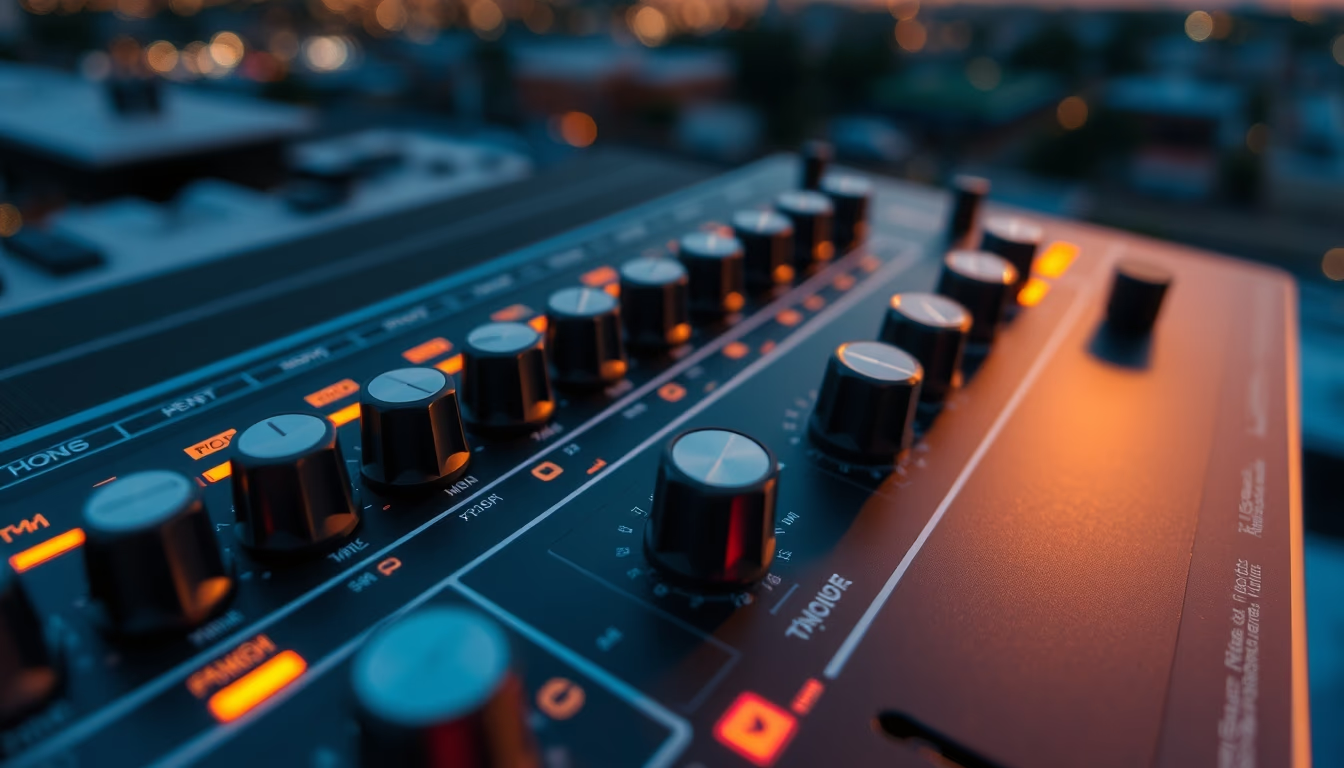
Studio monitor speakers are essential tools for mixing and mastering, designed for linear sound reproduction without coloration.
About this subject
Studio monitors, also known as reference speakers, are designed to reproduce audio with the highest possible accuracy, without boosting or cutting frequencies. Unlike consumer speakers, which often emphasize bass or treble to please the listener, monitors aim for a flat frequency response, allowing sound engineers to detect flaws in a mix.
Most studio monitors are near-field designs, placed close to the listener to minimize room acoustic interference. They can be active (with built-in amplifiers) or passive (requiring external amplification). Established brands like Yamaha, Genelec, Adam Audio, and KRK dominate the market, each with distinct sound signatures. For instance, the legendary Yamaha NS-10, popular since the 1970s, is known for its dry sound and prominent mids, which reveal mix problems.
Choosing the right monitor depends on room size, music production type, and budget. Monitors with 5 to 8 inch woofers are common in home studios, while professional studios use larger systems and subwoofers for bass extension. Beyond flat response, coaxial designs offer better stereo imaging, and some models include DSP phase correction. Positioning in an equilateral triangle with the listener is critical for accurate listening.
Historically, the need for studio monitors emerged with the modernization of recording studios in the 1930s and 1940s, when accurate playback became vital. Digital evolution brought features like automatic calibration via microphone. Today, monitors are used not only in music but also in audio post-production for film, TV, and gaming, ensuring the final sound matches the creator's intention.
Frequently Asked Questions
What is the difference between studio monitors and regular speakers?
Studio monitors have a flat frequency response, with no emphasis on bass or treble, for faithful audio reproduction. Regular speakers are colored to sound pleasing to the listener, but they mask mix imperfections.
Do I need studio monitors for home recording?
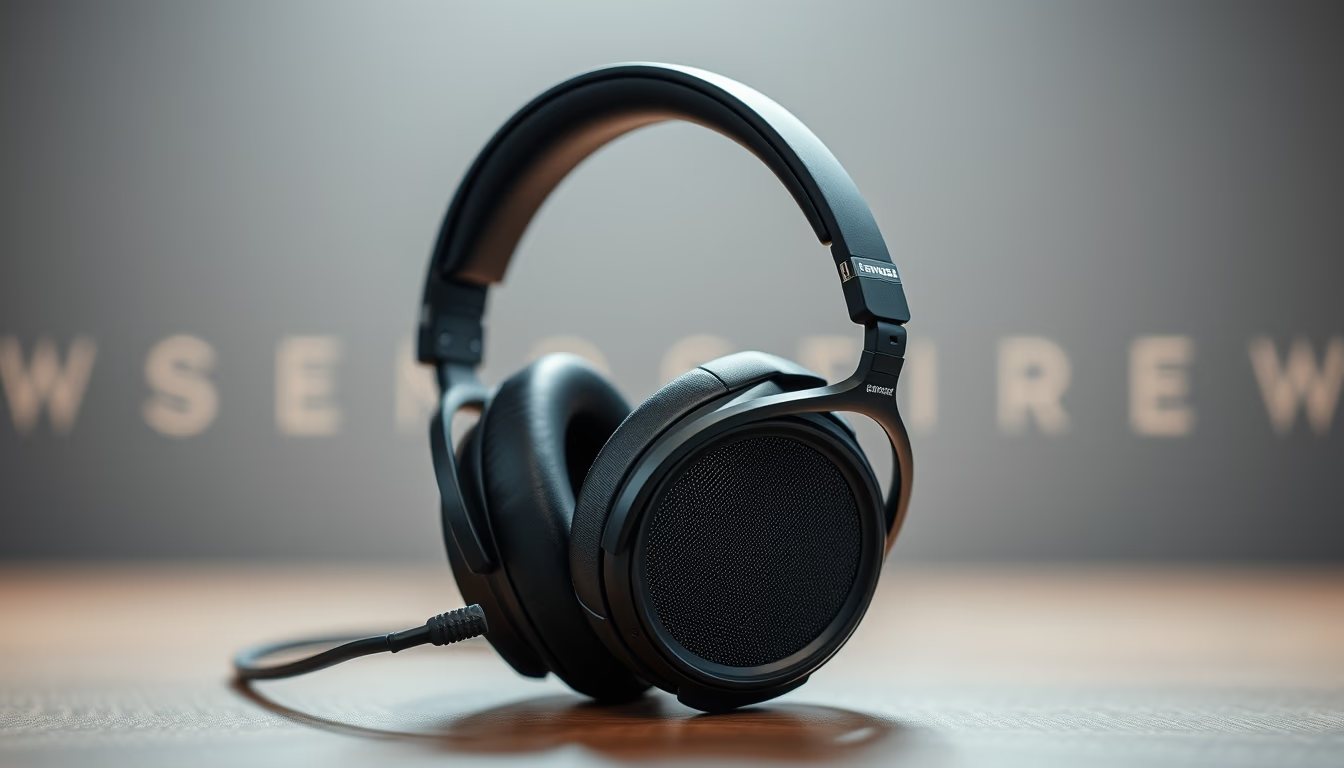
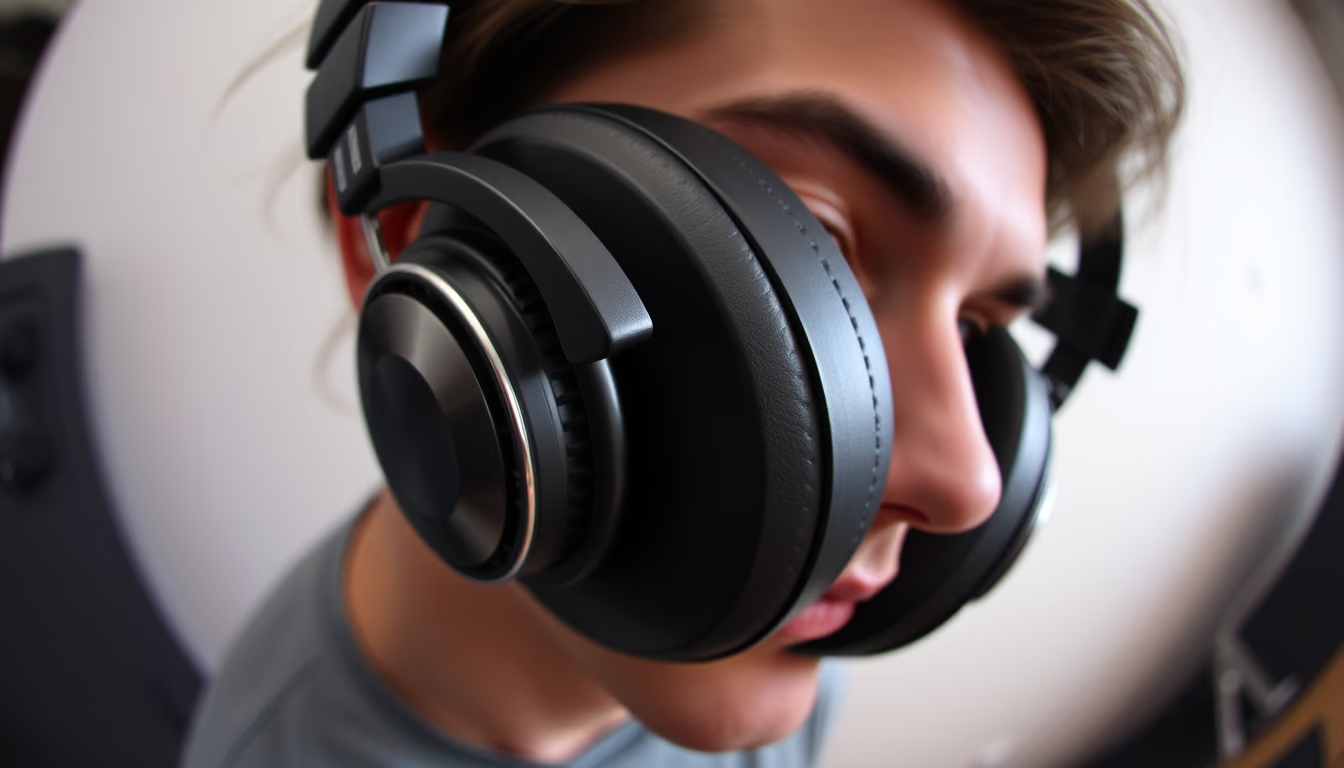
Yes, if you want to mix and master accurately. Studio headphones can help, but monitors provide more natural stereo imaging and spatial sense, essential for a professional result.
What size studio monitor should I choose?
For small rooms (up to 15 m²), 5-inch monitors are suitable. Medium rooms (15-25 m²) can handle 6-8 inches. In larger studios, 8-inch or larger monitors combined with a subwoofer are recommended, avoiding excessive bass that can cause acoustic issues.
Direct URL
https://pub-c7d6a6ea828543ac903a74a341ccb2e1.r2.dev/imagens/studio-monitor-speaker-architectural-photography-fresh10.avifHow to credit
Include a visible link back to UtilizAí. Copy one of the snippets below:
<a href="https://xn--utiliza-eza.com/en/midia/imagens/studio-monitor-speaker-architectural-photography-fresh10">Studio monitor speaker</a> by <a href="https://xn--utiliza-eza.com">UtilizAí</a>, licensed under <a href="https://creativecommons.org/licenses/by/4.0/">CC BY 4.0</a>.
[Studio monitor speaker](https://xn--utiliza-eza.com/en/midia/imagens/studio-monitor-speaker-architectural-photography-fresh10) by [UtilizAí](https://xn--utiliza-eza.com), CC BY 4.0
License: CC-BY-4.0