Studio microphone with pop filter
1344×768 · AVIF · CC BY 4.0
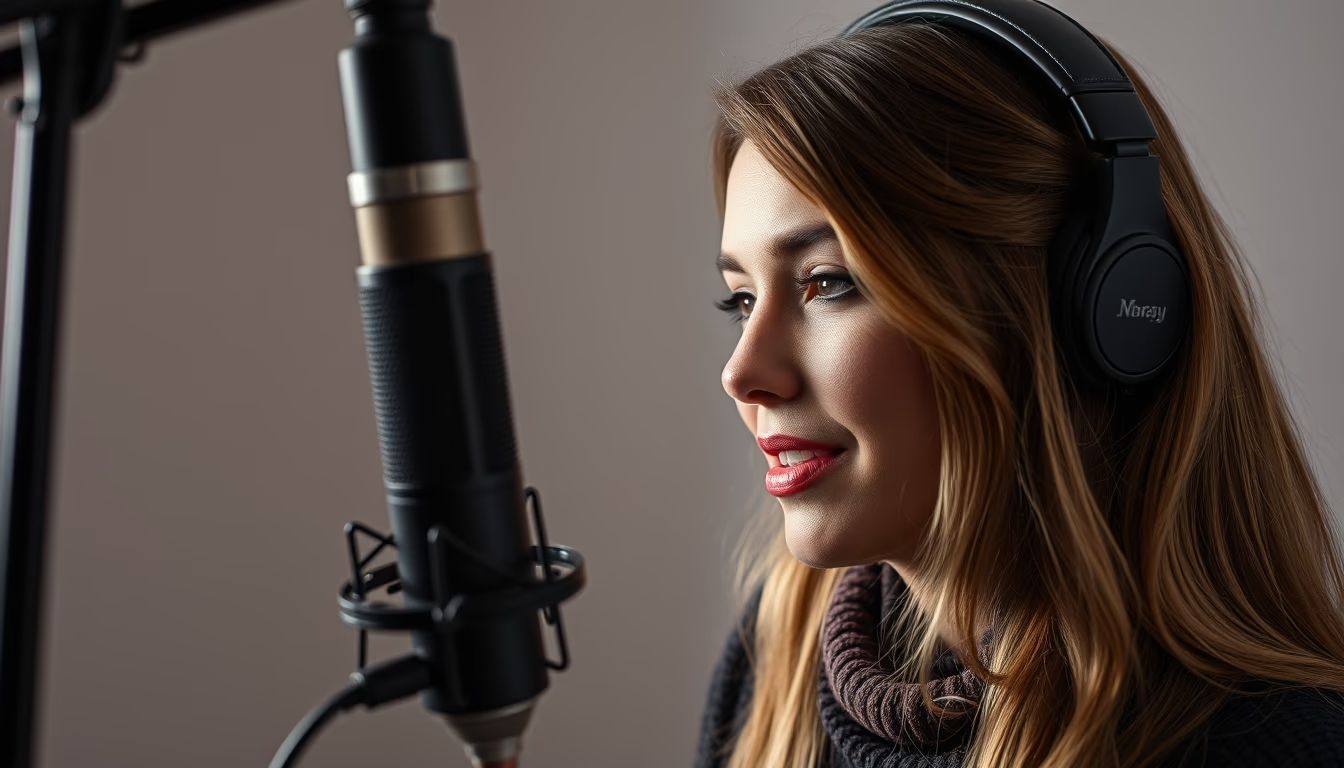
Studio microphone with pop filter is essential for professional recordings, reducing plosives and improving audio clarity.
About this subject
The studio microphone with pop filter is a classic combination in professional recording environments. The pop filter, also known as a studio windscreen, is a fine mesh or foam screen placed between the microphone and the vocalist. Its primary function is to attenuate explosive sounds from consonants like "p", "b", and "t", preventing audio distortion. This accessory became standard in the recording industry in the 1940s, as condenser microphones gained popularity.
In modern studios, large diaphragm condenser microphones are preferred for capturing vocals with detail and warmth. Brands like Neumann, AKG, and Shure dominate the market, with legendary models such as the U87 and SM58. Pop filters vary in size and shape: double-layer round screens are common, but there are articulated versions for easier positioning. The ideal distance between microphone and filter is about 5 to 10 centimeters, and between filter and vocalist, 10 to 15 centimeters.
Culturally, the image of a microphone with pop filter conveys professionalism and a pursuit of sound quality. In Brazil, both home and professional studios adopt this setup, especially with the growth of home studios and streaming. The pop filter also helps control breath moisture, prolonging the microphone's lifespan. Interestingly, the term "pop" originates from the English "pop sound," referring to the unwanted click. Musicians and sound engineers consider the pop filter a low-cost investment that significantly improves the final recording quality.
Frequently Asked Questions
What is the difference between a pop filter and a foam windscreen?
A mesh pop filter is more effective against plosives and does not alter frequency response, while a foam windscreen reduces wind noise but may slightly attenuate high frequencies.
Do I need to use a pop filter with every microphone?
Yes, especially with large diaphragm condenser microphones, which are more sensitive to plosives. For dynamic microphones, the benefit is smaller but still recommended for vocals.
How do I clean a fabric pop filter?
For mesh filters, use warm water with mild soap and a soft brush, rinse thoroughly, and air dry. Avoid twisting to prevent deformation.
Direct URL
https://pub-c7d6a6ea828543ac903a74a341ccb2e1.r2.dev/imagens/studio-microphone-with-pop-filter-studio-editorial-portrait-p1.avifHow to credit
Include a visible link back to UtilizAí. Copy one of the snippets below:
<a href="https://xn--utiliza-eza.com/en/midia/imagens/studio-microphone-with-pop-filter-studio-editorial-portrait-p1">Studio microphone with pop filter</a> by <a href="https://xn--utiliza-eza.com">UtilizAí</a>, licensed under <a href="https://creativecommons.org/licenses/by/4.0/">CC BY 4.0</a>.
[Studio microphone with pop filter](https://xn--utiliza-eza.com/en/midia/imagens/studio-microphone-with-pop-filter-studio-editorial-portrait-p1) by [UtilizAí](https://xn--utiliza-eza.com), CC BY 4.0
License: CC-BY-4.0