Studio microphone with pop filter
1344×768 · AVIF · CC BY 4.0
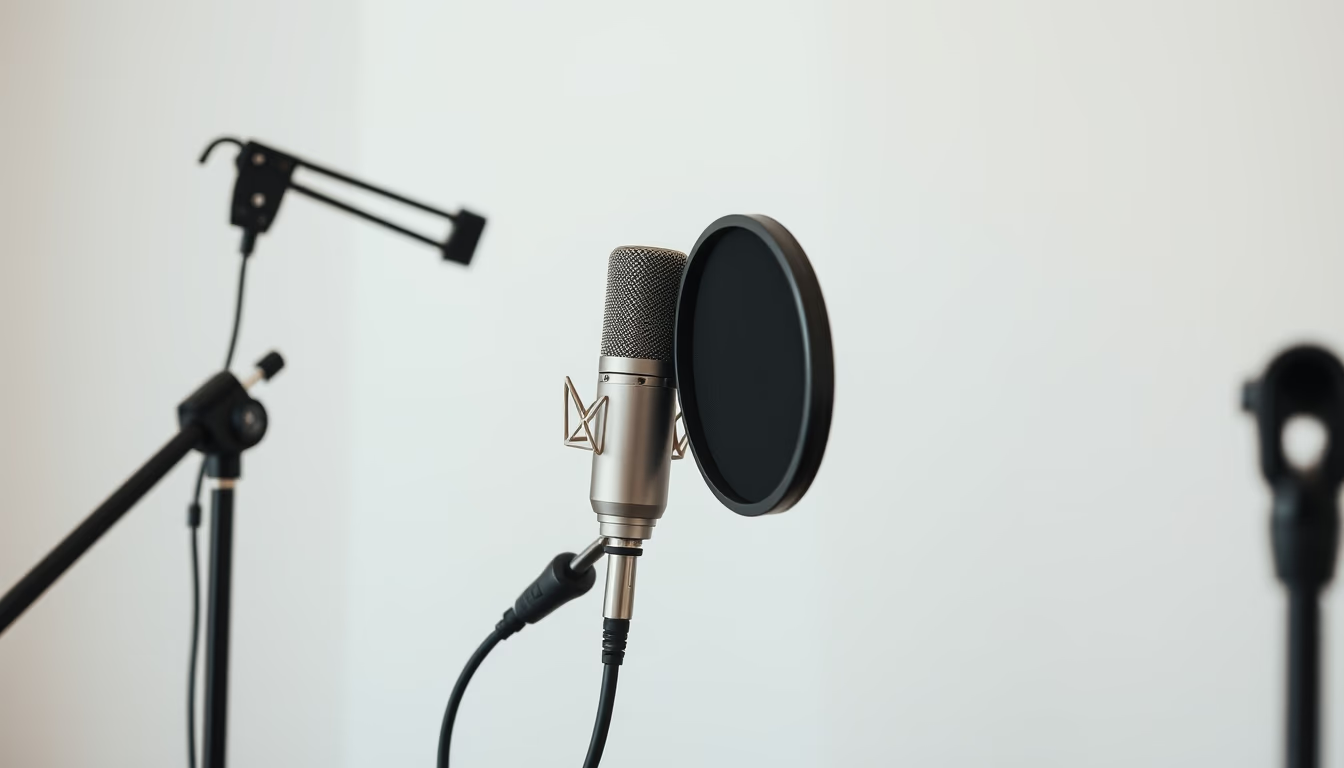
Studio microphones with pop filters are essential in professional audio recording, reducing plosives and ensuring clear capture of voice or instrument.
About this subject
The studio microphone is the heart of any professional recording. From the legendary Neumann U87 to the versatile Shure SM58, these devices convert sound waves into electrical signals with high fidelity. There are two main types: condenser microphones, sensitive and detailed, ideal for vocals and acoustic instruments; and dynamic microphones, rugged and capable of handling high sound pressure levels, perfect for guitar amplifiers and drums. The choice of microphone depends on the application, but all share the need for accessories like the pop filter.
The pop filter, also known as a windscreen or anti-pop screen, is a nylon or metal barrier placed between the microphone and the sound source. Its primary function is to reduce explosive sounds (plosives) from consonants like 'p', 'b', and 't', which can cause unwanted distortion in recordings. Additionally, it protects the microphone from saliva and moisture. In studios, it is common to see dual pop filters or those with articulated arms for precise positioning.
Audio recording has evolved significantly since the first carbon microphones in the 19th century. Today, with the popularization of podcasts and home music production, the use of studio microphones with pop filters has become accessible. Models like the Audio-Technica AT2020 or Rode NT1-A combine professional quality with reasonable price, being common in home studios. The 2026 trend points to microphones with USB-C connectivity and integrated digital processing, keeping the pop filter as an indispensable accessory.
Interestingly, the correct positioning of the pop filter can make more difference than the microphone itself in certain situations. The ideal distance between the mouth and the filter is about 10 to 15 centimeters, and between the filter and the microphone, 5 to 10 centimeters. This adjustment prevents loss of low frequencies and maintains vocal clarity. In live performances, pop filters are less common due to aesthetics, but in the studio they are practically mandatory.
Frequently Asked Questions
What is the purpose of a pop filter on a studio microphone?
A pop filter reduces plosive sounds (like 'p' and 'b') that cause audio pops, and also protects the microphone from saliva and moisture. It is essential for clean vocal recordings.
What is the difference between condenser and dynamic microphones?
Condenser microphones are more sensitive and capture subtle details, ideal for vocals and acoustic instruments. Dynamic microphones are more rugged and handle high volumes, perfect for guitar amps and drums.
How do I correctly position a pop filter?
Place the pop filter about 10, 15 cm from your mouth and the microphone 5, 10 cm behind the filter. This prevents loss of low frequencies and maintains vocal clarity.
Direct URL
https://pub-c7d6a6ea828543ac903a74a341ccb2e1.r2.dev/imagens/studio-microphone-with-pop-filter-minimalist-composition-p4.avifHow to credit
Include a visible link back to UtilizAí. Copy one of the snippets below:
<a href="https://xn--utiliza-eza.com/en/midia/imagens/studio-microphone-with-pop-filter-minimalist-composition-p4">Studio microphone with pop filter</a> by <a href="https://xn--utiliza-eza.com">UtilizAí</a>, licensed under <a href="https://creativecommons.org/licenses/by/4.0/">CC BY 4.0</a>.
[Studio microphone with pop filter](https://xn--utiliza-eza.com/en/midia/imagens/studio-microphone-with-pop-filter-minimalist-composition-p4) by [UtilizAí](https://xn--utiliza-eza.com), CC BY 4.0
License: CC-BY-4.0