Studio microphone with pop filter
1344×768 · AVIF · CC BY 4.0
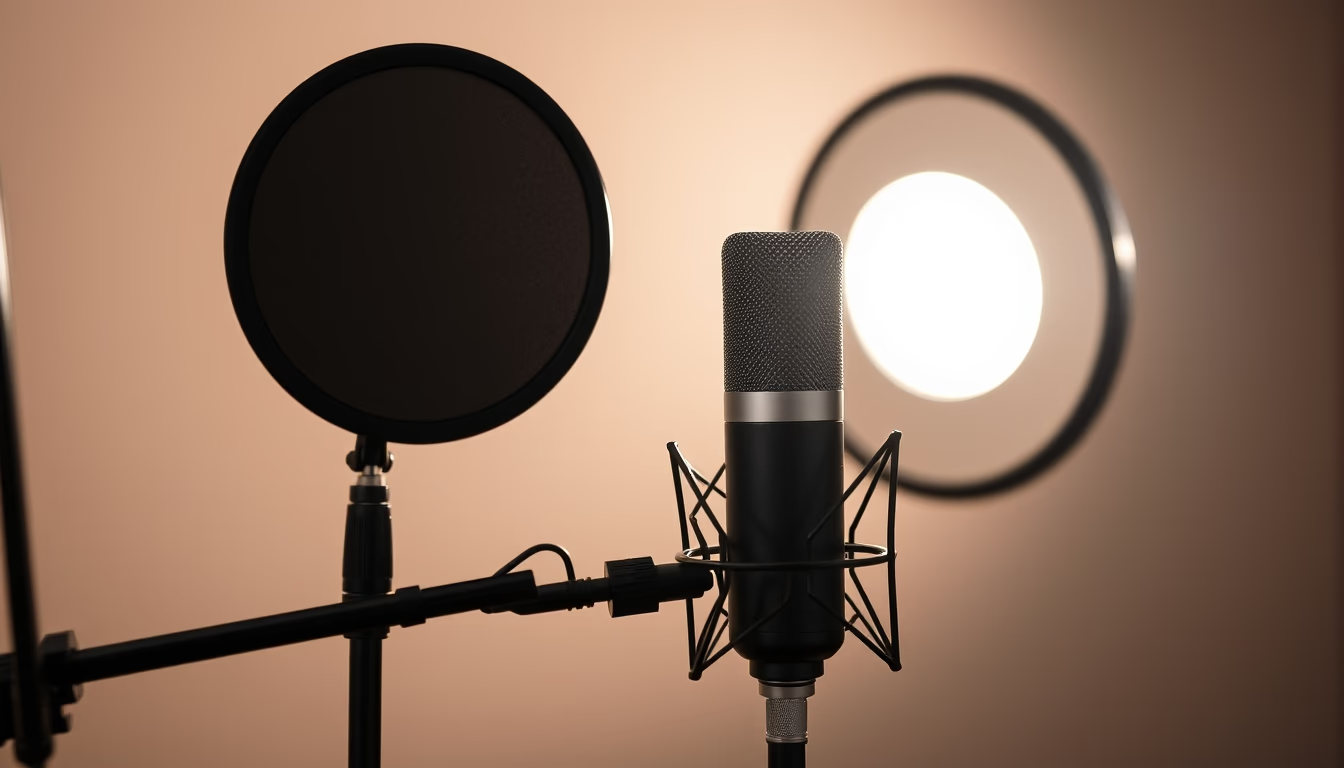
A studio microphone with a pop filter is essential for capturing clean audio in professional recordings, eliminating plosives and unwanted noise.
About this subject
The studio microphone with a pop filter is an indispensable tool in any professional recording environment. The microphone, typically a condenser type, captures sound with high sensitivity and precision, making it ideal for vocals and acoustic instruments. The pop filter, a thin metal or nylon screen placed in front of the microphone, reduces explosive sounds from consonants like 'p' and 'b', which can cause unwanted distortion in the audio. This combination is standard in music studios, broadcasting, and podcasting.
The history of the condenser microphone dates back to the early 20th century, when inventors such as E.C. Wente at Bell Labs developed the first models. Over the decades, technology evolved into large- and small-diaphragm microphones, each with specific characteristics. The pop filter emerged as a homemade solution in the 1960s, often improvised with nylon stockings, before becoming a commercial accessory. Today, there are different types, including dual-layer designs and those that clip directly onto the microphone stand.
The importance of the pop filter goes beyond plosive reduction. It also helps minimize saliva and breath noises, and protects the microphone capsule from moisture. In vocal recordings, proper placement of the filter about 10 to 15 centimeters from the microphone is crucial for optimal results. Many sound engineers pair pop filters with other accessories like foam windscreens and acoustic isolation to ensure the highest recording quality.
Interestingly, not all studio microphones require a pop filter. Dynamic microphones, such as the Shure SM58, are less sensitive to plosives and often work well without one. However, for high-sensitivity condenser microphones, the pop filter is almost mandatory. Renowned brands like Neumann, AKG, and Rode produce models that have become industry standards. Choosing the right microphone depends on the type of recording, vocals, instruments, or ambiance, and the pop filter is a versatile complement that adapts to various scenarios.
Frequently Asked Questions
What is the difference between a condenser and a dynamic microphone?
Condenser microphones are more sensitive and capture fine details, ideal for studio use, but require phantom power. Dynamic microphones are sturdier and less sensitive, suitable for live stages and loud sound sources, and often don't need a pop filter.
Can I use a pop filter with any microphone?
Yes, pop filters are compatible with most studio microphones, especially condensers. For dynamic microphones, it's optional but can help reduce breath noise.
How do I clean a pop filter?
Cleaning depends on the material. Metal filters can be washed with mild soap and water; nylon filters should be wiped with a damp cloth and dried in the shade. Avoid abrasive cleaners to prevent damaging the screen.
Direct URL
https://pub-c7d6a6ea828543ac903a74a341ccb2e1.r2.dev/imagens/studio-microphone-with-pop-filter-magazine-editorial-p6.avifHow to credit
Include a visible link back to UtilizAí. Copy one of the snippets below:
<a href="https://xn--utiliza-eza.com/en/midia/imagens/studio-microphone-with-pop-filter-magazine-editorial-p6">Studio microphone with pop filter</a> by <a href="https://xn--utiliza-eza.com">UtilizAí</a>, licensed under <a href="https://creativecommons.org/licenses/by/4.0/">CC BY 4.0</a>.
[Studio microphone with pop filter](https://xn--utiliza-eza.com/en/midia/imagens/studio-microphone-with-pop-filter-magazine-editorial-p6) by [UtilizAí](https://xn--utiliza-eza.com), CC BY 4.0
License: CC-BY-4.0