Studio microphone with pop filter
1344×768 · AVIF · CC BY 4.0
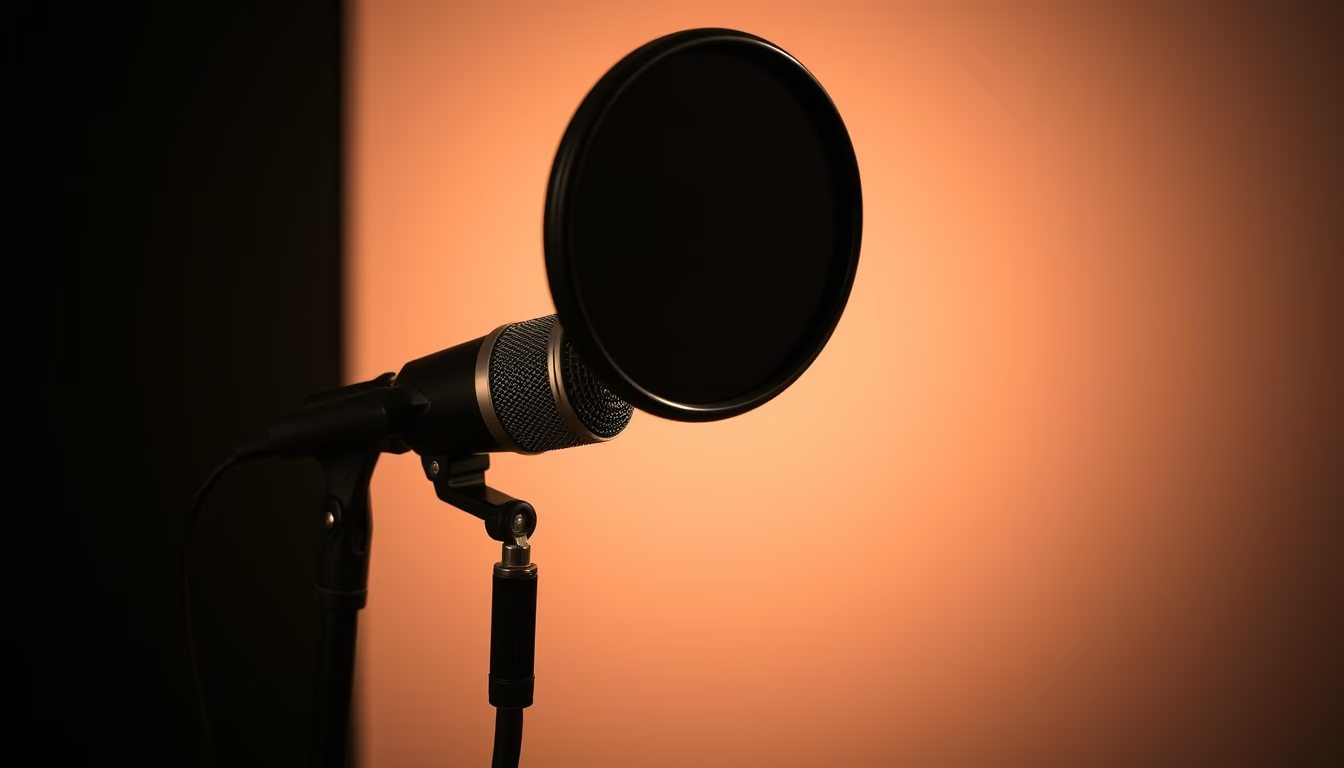
A studio microphone with a pop filter is essential for professional recordings, reducing plosives and ensuring clean audio capture.
About this subject
Studio microphones are transducers that convert sound into an electrical signal, essential in music recording, voiceover, and audio production. The most common types are condenser and dynamic microphones. Condenser microphones, such as the classic Neumann U87, use a capsule with a charged backplate and a thin diaphragm, offering high sensitivity and wide frequency response, ideal for vocals and acoustic instruments. Dynamic microphones, like the Shure SM7B, are rugged and handle high sound pressure levels, making them preferred for drums, amplified guitar, and live environments.
A pop filter, also called a windscreen or blast shield, is an accessory placed between the microphone and the sound source. Its main purpose is to attenuate plosive sounds, such as the consonants "p," "t," and "b," which produce bursts of air that can distort the signal and cause unwanted peaks. Typically made of fine nylon or metal, the pop filter also reduces wind noise and breath control. In professional studios, it is common to use two cascading filters for added protection.
The choice of microphone and pop filter directly impacts recording quality. Positioning techniques, such as distance and angle relative to the singer's mouth, are adjusted to maximize gain without picking up unwanted reflections. The culture of audio has advanced with the popularity of home studios, but accessories like the pop filter remain indispensable regardless of equipment level. Brands like Stedman and Aokeo produce models with articulated arms, allowing precise adjustments.
An interesting fact: the first pop filter patented in the United States emerged in the 1940s, created by radio engineers to reduce popping in live broadcasts. Since then, the design has evolved little, proving the effectiveness of the original solution. In fine art photography, an image of a studio microphone with a pop filter evokes the aesthetic of creative work and the pursuit of sonic purity, a recurring symbol in album covers and music promotional materials.
Frequently Asked Questions
What is the difference between a condenser and a dynamic microphone?
Condenser microphones use a capsule with a charged plate and thin diaphragm, making them more sensitive and ideal for capturing detail. Dynamic microphones work via electromagnetic induction, are sturdier, and handle high volumes, suitable for live performances and loud sources.
Does a pop filter actually improve recording quality?
Yes, it reduces popping caused by plosive consonants (p, b, t) and excess saliva, preventing distortion and signal spikes. It is essential for vocals and narration, especially with sensitive condenser microphones.
How should I position the microphone and pop filter?
Place the pop filter about 5 to 10 cm from the microphone and the sound source (singer's mouth) 15 to 30 cm from the filter. Adjust the angle so that sound hits directly, avoiding reflections from nearby surfaces.
Direct URL
https://pub-c7d6a6ea828543ac903a74a341ccb2e1.r2.dev/imagens/studio-microphone-with-pop-filter-fine-art-photography-p5.avifHow to credit
Include a visible link back to UtilizAí. Copy one of the snippets below:
<a href="https://xn--utiliza-eza.com/en/midia/imagens/studio-microphone-with-pop-filter-fine-art-photography-p5">Studio microphone with pop filter</a> by <a href="https://xn--utiliza-eza.com">UtilizAí</a>, licensed under <a href="https://creativecommons.org/licenses/by/4.0/">CC BY 4.0</a>.
[Studio microphone with pop filter](https://xn--utiliza-eza.com/en/midia/imagens/studio-microphone-with-pop-filter-fine-art-photography-p5) by [UtilizAí](https://xn--utiliza-eza.com), CC BY 4.0
License: CC-BY-4.0