Stonehenge england
1344×768 · AVIF · CC BY 4.0
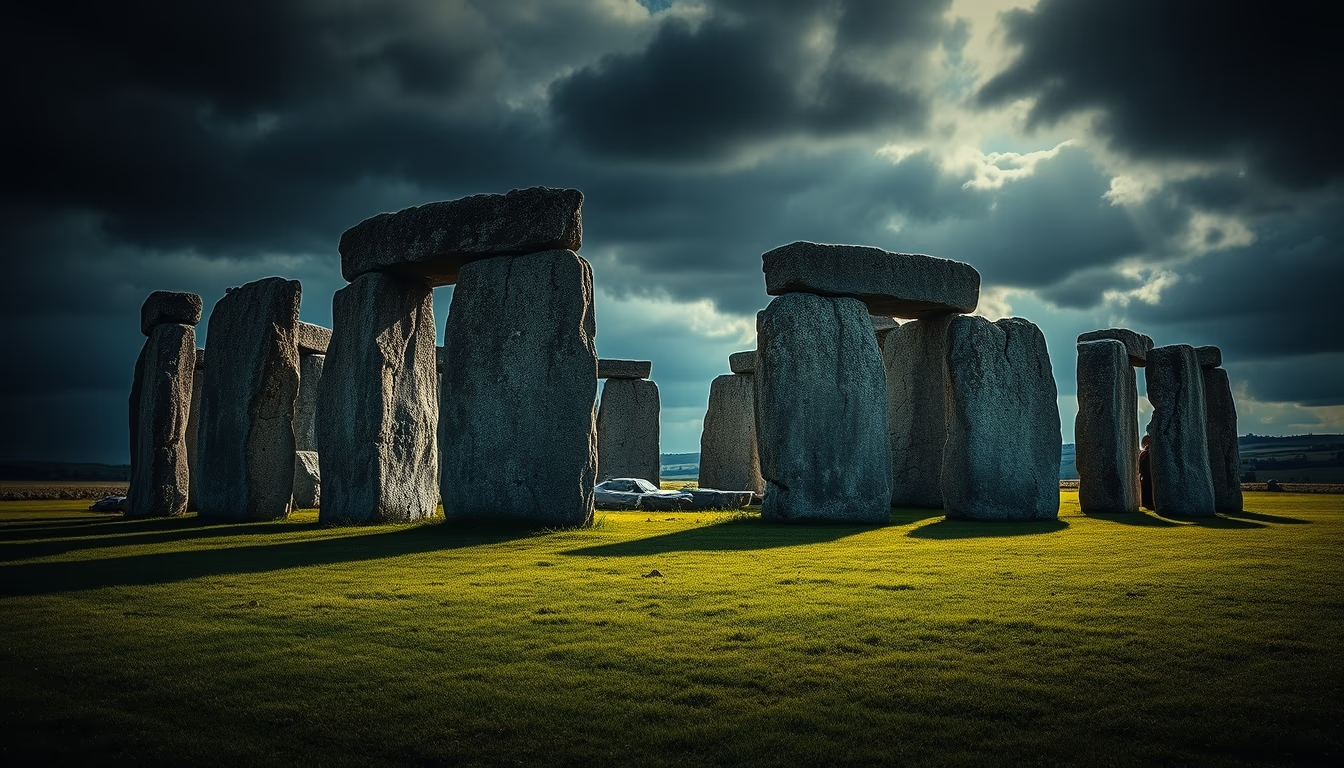
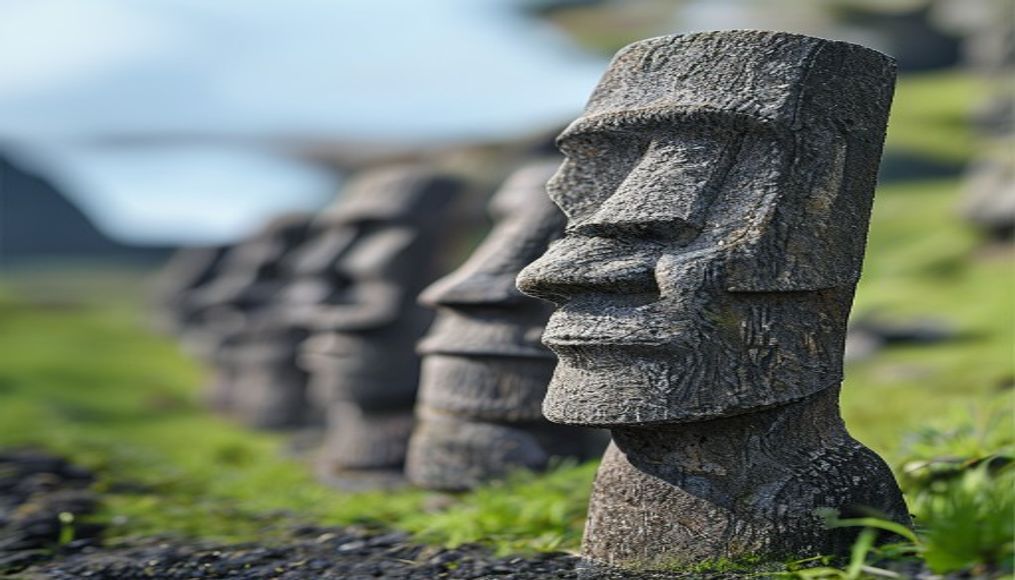
Stonehenge, the prehistoric monument on Salisbury Plain in England, has intrigued archaeologists and visitors for centuries.
About this subject
Stonehenge is one of the world's most iconic monuments, located in Wiltshire, England. Its construction began around 3000 BC and continued in phases until about 2000 BC. The stone circle consists of massive sarsen stones and bluestones transported over 200 kilometers from Pembrokeshire, Wales. The transportation of these stones remains one of the greatest mysteries of Neolithic engineering. The site is believed to have served as an astronomical observatory, aligned with the summer and winter solstices, as well as a religious and ceremonial center. Excavations have revealed cremated human remains, indicating Stonehenge was also used as a cemetery. In 1986, it was designated a UNESCO World Heritage Site along with Avebury. Recent studies suggest the bluestones have acoustic properties and that the site was a place of healing. Approximately one million people visit Stonehenge each year, and access to the inner circle is restricted to preserve the monument. The surrounding landscape contains numerous burial mounds and archaeological sites, forming a ceremonial complex of great historical significance.
Frequently Asked Questions
Who built Stonehenge and when?
Stonehenge was built by Neolithic and Bronze Age peoples between 3000 BC and 2000 BC. No specific culture is identified, but evidence points to native British tribes with advanced engineering and astronomical skills.
What was the purpose of Stonehenge?
Stonehenge is believed to have served multiple purposes: an astronomical observatory marking solstices, a site for religious rituals and funerary ceremonies, and possibly a healing center. Acoustic studies suggest the bluestones could amplify sound.
How were the stones of Stonehenge transported?
The sarsen stones likely came from Marlborough Downs about 30 km away, dragged on rollers and sledges. The bluestones were transported by land and water from Wales, using rafts and possibly sledges on ice.
Direct URL
https://pub-c7d6a6ea828543ac903a74a341ccb2e1.r2.dev/imagens/stonehenge-england-fine-art-photography-p3.avifHow to credit
Include a visible link back to UtilizAí. Copy one of the snippets below:
<a href="https://xn--utiliza-eza.com/en/midia/imagens/stonehenge-england-fine-art-photography-p3">Stonehenge england</a> by <a href="https://xn--utiliza-eza.com">UtilizAí</a>, licensed under <a href="https://creativecommons.org/licenses/by/4.0/">CC BY 4.0</a>.
[Stonehenge england](https://xn--utiliza-eza.com/en/midia/imagens/stonehenge-england-fine-art-photography-p3) by [UtilizAí](https://xn--utiliza-eza.com), CC BY 4.0
License: CC-BY-4.0