Stem cells petri dish
1344×768 · AVIF · CC BY 4.0
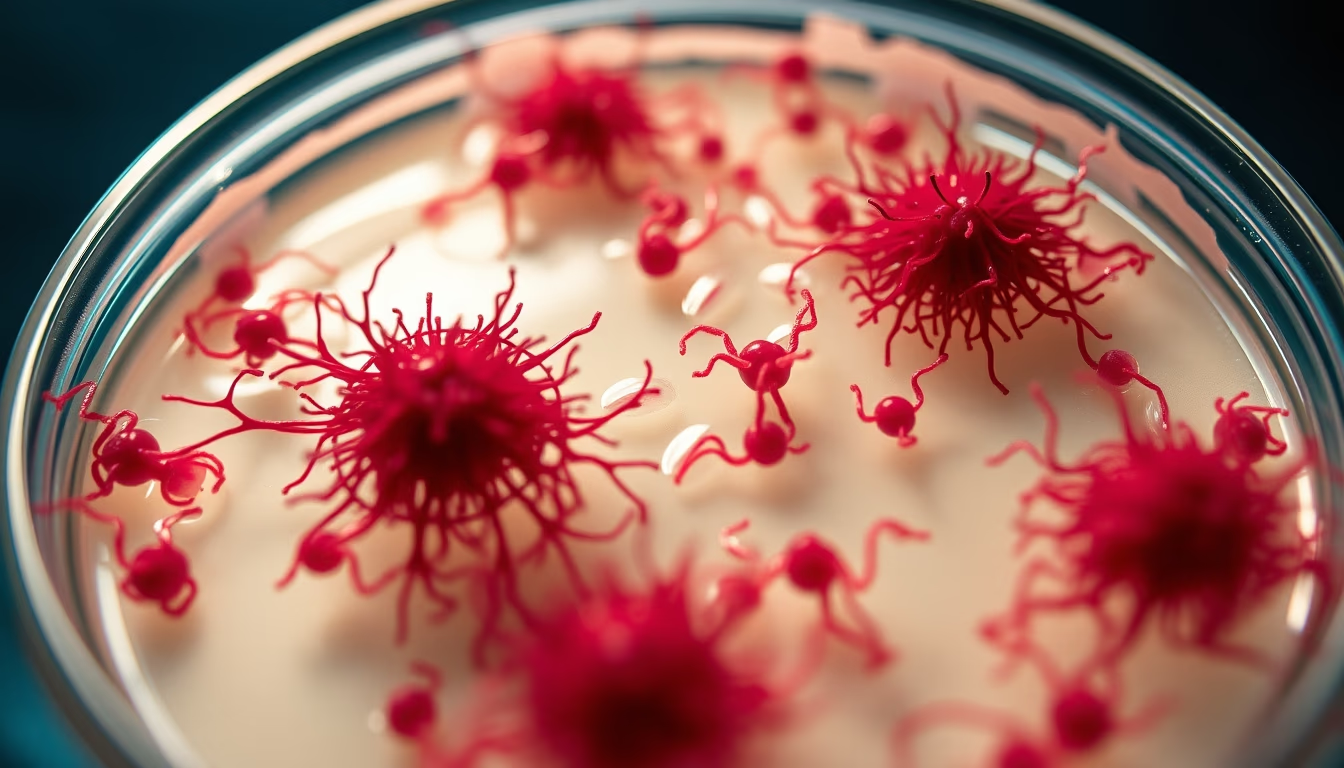
Stem cells grown in a petri dish are fundamental for regenerative medicine and cell therapy research, with potential to treat degenerative diseases.
About this subject
Stem cells are undifferentiated cells capable of self-renewal and differentiation into various cell types. They are broadly classified into embryonic stem cells (pluripotent), derived from the inner cell mass of blastocysts, and adult stem cells (multipotent), found in tissues like bone marrow and adipose tissue. A major breakthrough was the generation of induced pluripotent stem cells (iPSCs) by Shinya Yamanaka in 2006, allowing reprogramming of adult cells to an embryonic-like state without embryos.
In research, stem cells are cultured in petri dishes with specific media and growth factors that maintain pluripotency or induce differentiation. Techniques such as monolayer culture or embryoid body formation are used. In Brazil, institutions like USP and the Butantan Institute study stem cells for cardiac regeneration, diabetes treatment, and neurodegenerative diseases. Brazilian legislation permits the use of embryonic stem cells from non-viable embryos from IVF, with parental consent.
The most established clinical application is bone marrow transplantation for leukemias and lymphomas, using hematopoietic stem cells. Clinical trials explore mesenchymal stem cells for bone and cartilage repair, as well as treatments for multiple sclerosis and Parkinson's disease. Challenges include differentiation control, teratoma risk with iPSCs, and immune rejection. New approaches like organoids derived from stem cells allow disease modeling in the lab, reducing animal testing.
Microscopy and immunofluorescence staining are essential to identify pluripotency markers such as Oct4 and Nanog. Advances in CRISPR gene editing combined with stem cells pave the way for gene therapies. Research continues to expand the frontiers of personalized and regenerative medicine.
Frequently Asked Questions
What are stem cells and why are they important?
Stem cells are undifferentiated cells that can divide and differentiate into various cell types. They are important because they offer potential to regenerate damaged tissues and treat degenerative diseases, as well as serving as models for development studies and drug testing.
What types of stem cells exist?
There are two main types: embryonic stem cells (pluripotent) and adult stem cells (multipotent). Additionally, induced pluripotent stem cells (iPSCs) are created in the lab from adult cells. Each type has advantages and limitations regarding differentiation potential and ethical concerns.
What are the main ethical and technical challenges in using stem cells?
Ethical challenges include the use of human embryos, which sparked debates about the beginning of life. Technically, controlling differentiation, avoiding tumor formation (teratomas), and overcoming immune rejection are hurdles. Research with iPSCs aims to bypass ethical and compatibility issues.
Direct URL
https://pub-c7d6a6ea828543ac903a74a341ccb2e1.r2.dev/imagens/stem-cells-petri-dish-lo-fi-disposable-camera-p2.avifHow to credit
Include a visible link back to UtilizAí. Copy one of the snippets below:
<a href="https://xn--utiliza-eza.com/en/midia/imagens/stem-cells-petri-dish-lo-fi-disposable-camera-p2">Stem cells petri dish</a> by <a href="https://xn--utiliza-eza.com">UtilizAí</a>, licensed under <a href="https://creativecommons.org/licenses/by/4.0/">CC BY 4.0</a>.
[Stem cells petri dish](https://xn--utiliza-eza.com/en/midia/imagens/stem-cells-petri-dish-lo-fi-disposable-camera-p2) by [UtilizAí](https://xn--utiliza-eza.com), CC BY 4.0
License: CC-BY-4.0