Stem cells petri dish
1344×768 · AVIF · CC BY 4.0
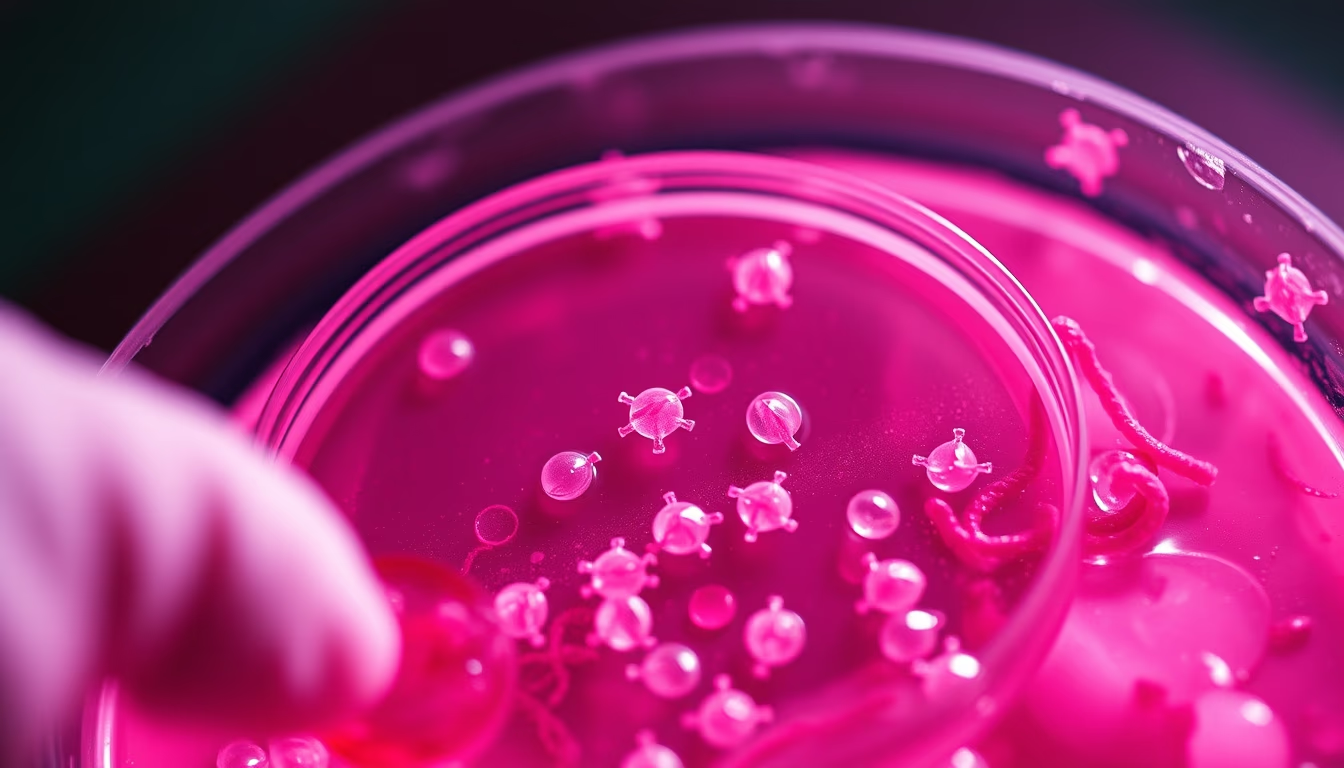
Stem cells are unspecialized cells capable of self-renewal and differentiation into various cell types, essential for regenerative medicine and biological research.
About this subject
Stem cells are undifferentiated cells with two key properties: self-renewal, the ability to divide and produce identical copies, and differentiation, the capacity to become specialized cell types such as neurons, cardiac cells, or muscle cells. There are three main categories: embryonic stem cells from the inner cell mass of blastocysts, adult stem cells found in tissues like bone marrow, adipose tissue, and umbilical cord, and induced pluripotent stem cells, created in the lab by reprogramming adult cells.
Applications in medicine are extensive and promising. In cell therapy, stem cells are used to regenerate damaged tissues, such as hematopoietic stem cell transplantation for leukemias and lymphomas. Ongoing research targets Parkinson's disease, type 1 diabetes, spinal cord injuries, and heart conditions. Stem cells also serve as tools for disease modeling, drug testing, and studying embryonic development.
Global research is advancing rapidly; the discovery of induced pluripotent stem cells earned Shinya Yamanaka and John Gurdon the Nobel Prize in Physiology or Medicine in 2012. International registries for umbilical cord blood and bone marrow donors facilitate transplants. Ethical debates continue, especially regarding embryonic stem cells, but many countries have established regulatory frameworks.
Future directions include combining stem cells with gene editing (e.g., CRISPR) to correct genetic disorders, developing organoids for drug screening, and creating patient-specific cell lines for transplantation with minimal rejection risk. The potential for regenerative medicine continues to drive innovation in both basic research and clinical applications.
Frequently Asked Questions
What are the main types of stem cells?
The three main types are: embryonic stem cells, pluripotent and derived from blastocysts; adult stem cells, multipotent and found in tissues like bone marrow; and induced pluripotent stem cells, created in the lab by reprogramming adult cells.
Can stem cells cure diseases?
Yes, but with limitations. They are successfully used in bone marrow transplants for blood disorders. Clinical research targets Parkinson's, diabetes, and spinal cord injuries, but many therapies are still experimental.
Where can I donate stem cells?
You can donate bone marrow through national registries like the Be The Match (USA) or NHS Blood and Transplant (UK). Umbilical cord blood can be donated to public banks listed in the World Marrow Donor Association.
Direct URL
https://pub-c7d6a6ea828543ac903a74a341ccb2e1.r2.dev/imagens/stem-cells-petri-dish-film-grain-authentic-p1.avifHow to credit
Include a visible link back to UtilizAí. Copy one of the snippets below:
<a href="https://xn--utiliza-eza.com/en/midia/imagens/stem-cells-petri-dish-film-grain-authentic-p1">Stem cells petri dish</a> by <a href="https://xn--utiliza-eza.com">UtilizAí</a>, licensed under <a href="https://creativecommons.org/licenses/by/4.0/">CC BY 4.0</a>.
[Stem cells petri dish](https://xn--utiliza-eza.com/en/midia/imagens/stem-cells-petri-dish-film-grain-authentic-p1) by [UtilizAí](https://xn--utiliza-eza.com), CC BY 4.0
License: CC-BY-4.0