Stem cells petri dish
1344×768 · AVIF · CC BY 4.0
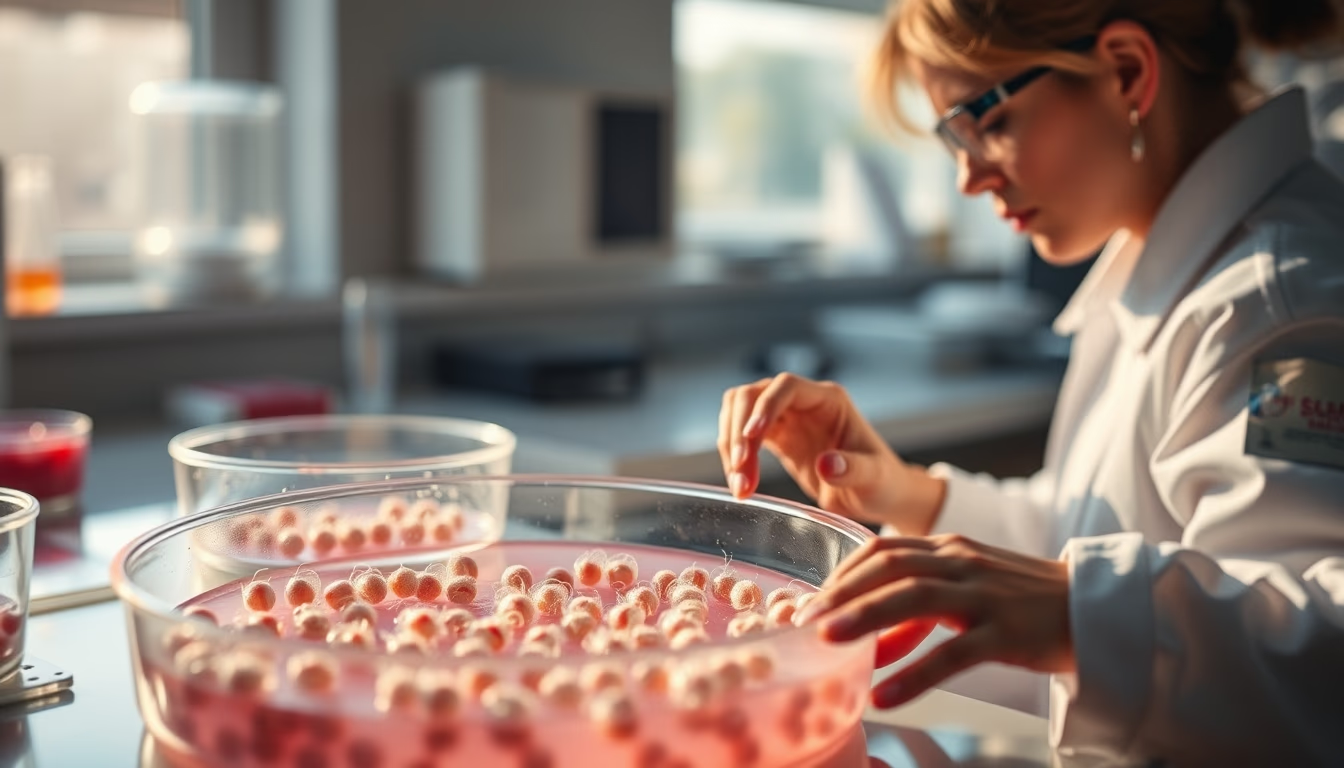
Stem cells are undifferentiated cells capable of self-renewal and differentiation into various cell types, being fundamental for regenerative medicine and biological research.
About this subject
Stem cells are defined by two key properties: self-renewal, enabling them to produce identical copies over extended periods, and differentiation, allowing them to develop into specialized cell types such as neurons, cardiomyocytes, or pancreatic cells. They are broadly classified into three categories: embryonic, adult, and induced pluripotent stem cells (iPSCs). Embryonic stem cells, derived from the inner cell mass of the blastocyst, are pluripotent and can give rise to all tissues in the body. Adult stem cells, found in tissues like bone marrow and umbilical cord, are multipotent and have more limited potential. iPSCs, first generated in 2006 by Shinya Yamanaka via reprogramming adult cells with transcription factors, revolutionized research by circumventing ethical concerns related to embryo use.
Clinically, hematopoietic stem cell transplantation (from bone marrow) is a standard treatment for leukemias and lymphomas. Ongoing research explores stem cells for repairing spinal cord injuries, treating neurodegenerative diseases like Parkinson's and Alzheimer's, regenerating heart tissue after infarction, and even growing transplantable organs. Mesenchymal stem cells are being tested in clinical trials for inflammatory and autoimmune conditions, showing encouraging results.
Despite their promise, challenges remain. Risks include teratoma formation, immune rejection, and precise control of differentiation. Ethical and regulatory frameworks differ globally. In Brazil, the Biosafety Law (2005) permits embryonic stem cell research using non-viable or frozen embryos (over three years) with donor consent. Countries like Japan and the United States heavily invest in cell therapy; Japan approved the first iPSC-based treatment for macular degeneration in 2014.
Frequently Asked Questions
What are stem cells and what are their main types?
Stem cells are undifferentiated cells capable of self-renewal and differentiation into specialized cell types. The main types are embryonic (pluripotent), adult (multipotent), and induced pluripotent stem cells (iPSCs), created in the lab from somatic cells.
How are stem cells currently used in medicine?
The most established use is hematopoietic stem cell transplantation for blood disorders like leukemia. Ongoing research explores their potential in spinal cord injuries, neurodegenerative diseases, cardiac regeneration, and tissue engineering.
What are the main ethical and technical challenges in stem cell use?
Ethical challenges include the use of human embryos (avoided with iPSCs). Technical hurdles include tumorigenesis risk, immune rejection, and difficulty in controlling differentiation. Regulations vary by country, impacting research progress.
Direct URL
https://pub-c7d6a6ea828543ac903a74a341ccb2e1.r2.dev/imagens/stem-cells-petri-dish-documentary-photography-p8.avifHow to credit
Include a visible link back to UtilizAí. Copy one of the snippets below:
<a href="https://xn--utiliza-eza.com/en/midia/imagens/stem-cells-petri-dish-documentary-photography-p8">Stem cells petri dish</a> by <a href="https://xn--utiliza-eza.com">UtilizAí</a>, licensed under <a href="https://creativecommons.org/licenses/by/4.0/">CC BY 4.0</a>.
[Stem cells petri dish](https://xn--utiliza-eza.com/en/midia/imagens/stem-cells-petri-dish-documentary-photography-p8) by [UtilizAí](https://xn--utiliza-eza.com), CC BY 4.0
License: CC-BY-4.0