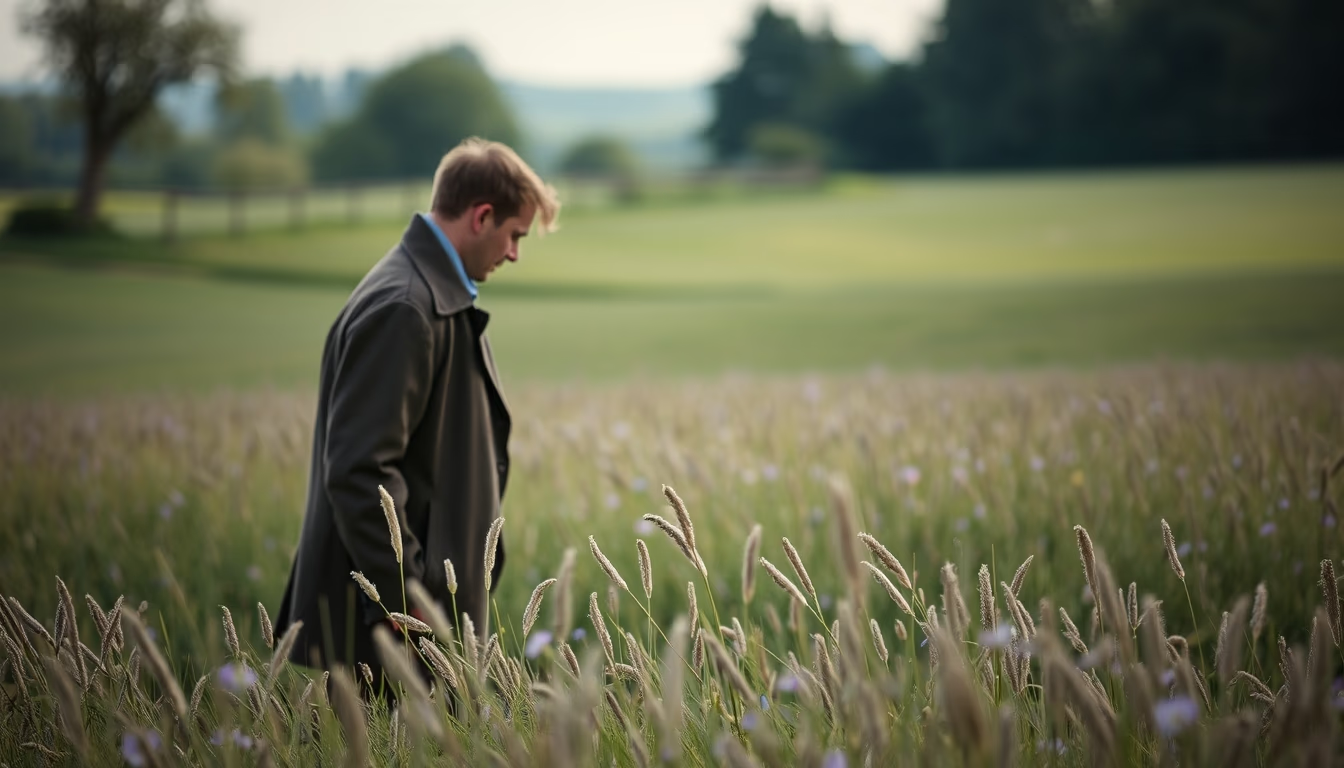
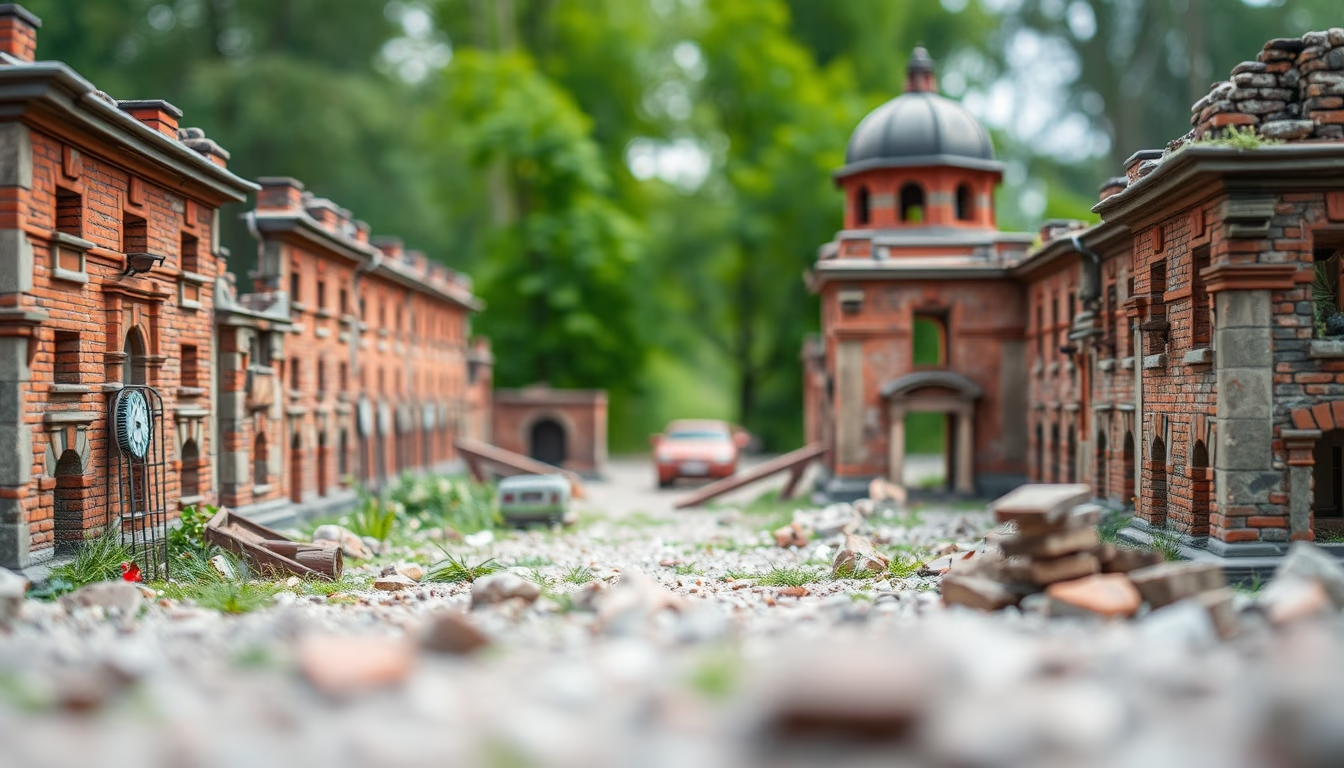
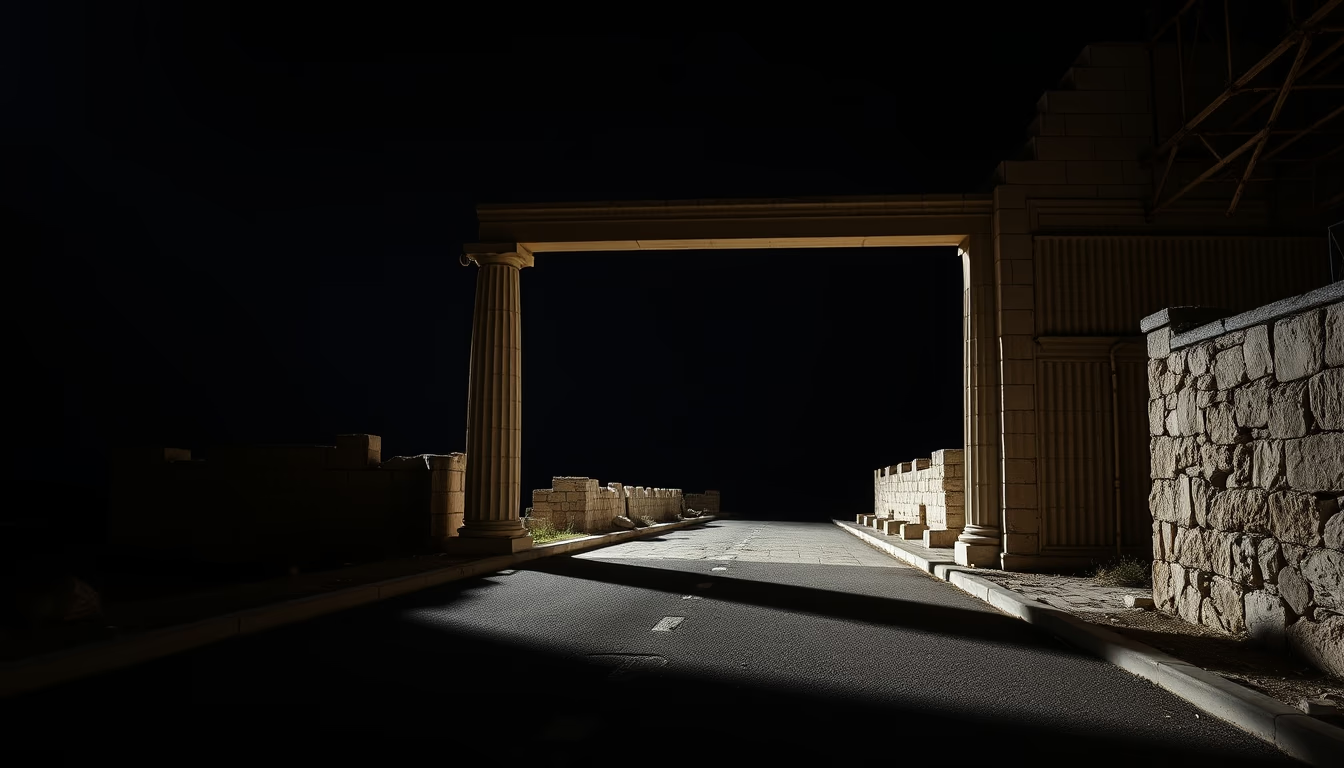
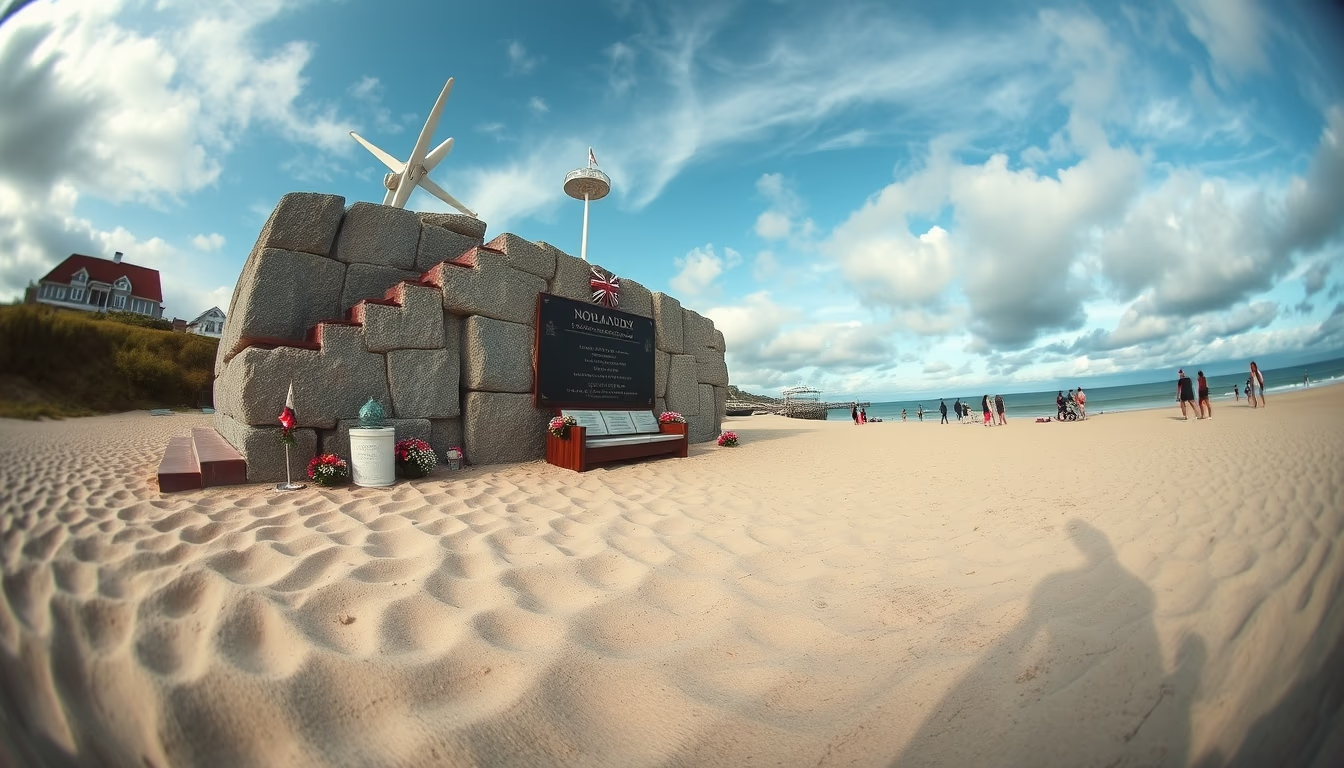
Stalingrad ruins
1344×768 · AVIF · CC BY 4.0
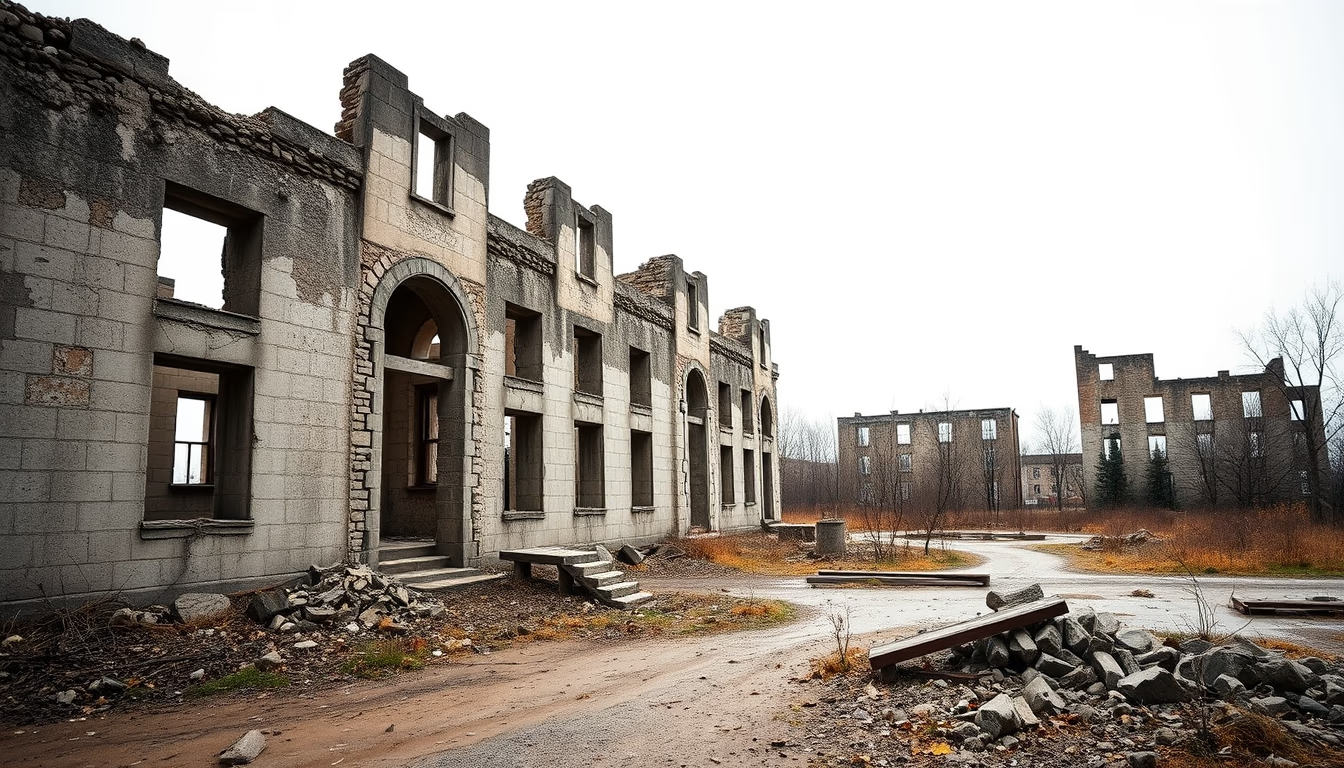
The ruins of Stalingrad, site of the deadliest battle in history, symbolize the turning point of World War II in 1943.
About this subject
The Battle of Stalingrad, fought from August 1942 to February 1943, was the decisive confrontation between Nazi Germany and the Soviet Union. The city, a key industrial hub on the Volga River, became an obsession for Hitler, who ordered its capture at all costs. Urban combat turned Stalingrad into a hell of rubble, starvation, and cold, with buildings reduced to ruins that served as improvised fortresses for both sides.
Strategically, controlling Stalingrad meant cutting Soviet supply routes and protecting the Caucasus oil fields. The Red Army, under General Zhukov, launched Operation Uranus, encircling the German 6th Army in November 1942. After months of siege and house-to-house fighting, Field Marshal Paulus surrendered on February 2, 1943, marking the first major defeat of the Third Reich.
The human cost was staggering: over 2 million people, including soldiers and civilians, died during the battle and siege. The ruins became a symbol of Soviet resistance and sacrifice, immortalized in films, books, and memorials. The iconic photograph of Soviet soldiers raising the red flag over the destroyed telephone exchange building (later reenacted at Mamayev Kurgan) resonates to this day.
After the war, the city was rebuilt and renamed Volgograd in 1961. The memorial complex on Mamayev Kurgan, featuring the statue 'The Motherland Calls', honors the defenders. Some original ruins, like the Gerhardt Mill, were intentionally left as a testament to the devastation. Today, Stalingrad is remembered as the turning point that shattered the myth of German invincibility and paved the way for Allied victory.
Frequently Asked Questions
Why was the Battle of Stalingrad so important?
It was the turning point of World War II in Europe. The German defeat at Stalingrad ended the Nazi offensive in the east and started the Soviet advance toward Berlin. It also proved that the German army was not invincible.
How many people died in the Battle of Stalingrad?
Estimates range from 1.5 to 2 million total casualties, including Soviet and German soldiers and civilians. It is considered the bloodiest battle in history.
What remains of the Stalingrad ruins after the war?
The city was rebuilt and is now called Volgograd. Some ruins were preserved as monuments, such as the Gerhardt Mill, which remains intact as a memorial to the battle.
Direct URL
https://pub-c7d6a6ea828543ac903a74a341ccb2e1.r2.dev/imagens/stalingrad-ruins-studio-still-life-fresh13.avifHow to credit
Include a visible link back to UtilizAí. Copy one of the snippets below:
<a href="https://xn--utiliza-eza.com/en/midia/imagens/stalingrad-ruins-studio-still-life-fresh13">Stalingrad ruins</a> by <a href="https://xn--utiliza-eza.com">UtilizAí</a>, licensed under <a href="https://creativecommons.org/licenses/by/4.0/">CC BY 4.0</a>.
[Stalingrad ruins](https://xn--utiliza-eza.com/en/midia/imagens/stalingrad-ruins-studio-still-life-fresh13) by [UtilizAí](https://xn--utiliza-eza.com), CC BY 4.0
License: CC-BY-4.0