Stalingrad ruins
1344×768 · AVIF · CC BY 4.0
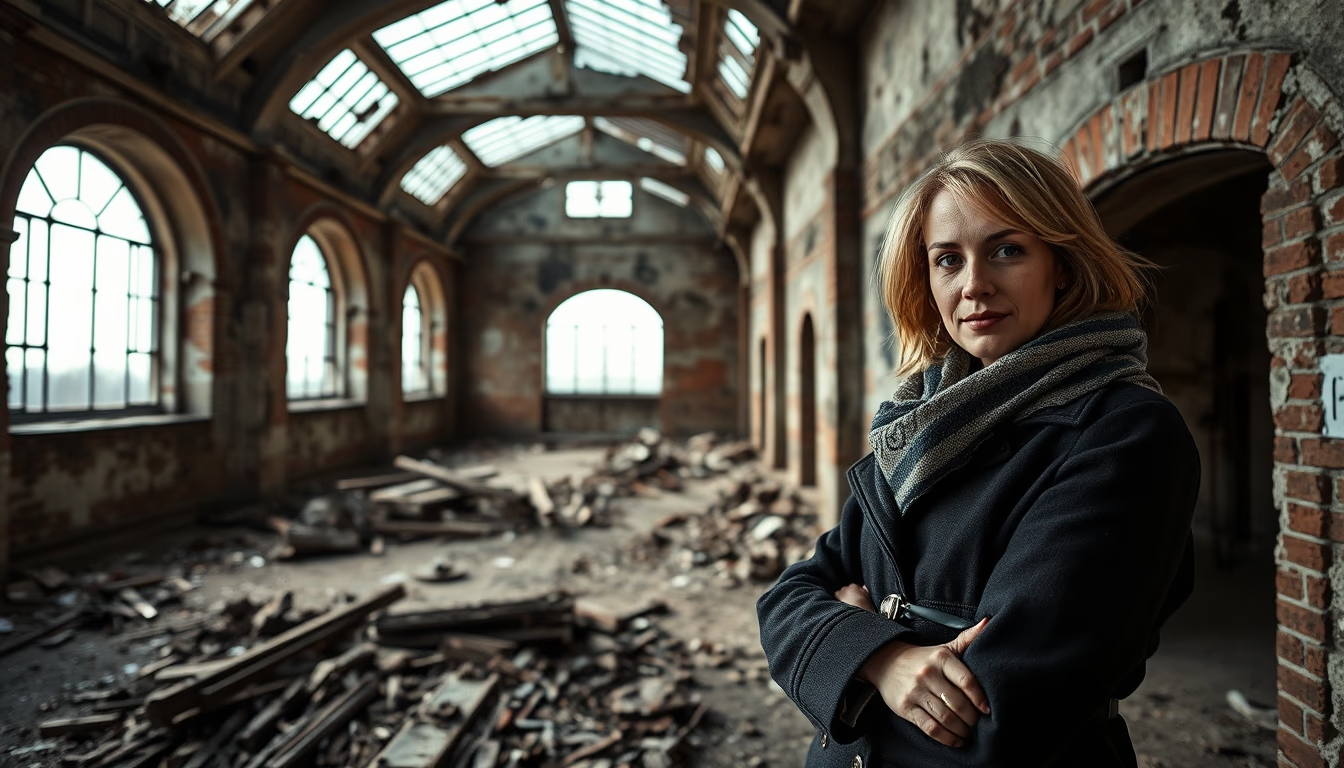
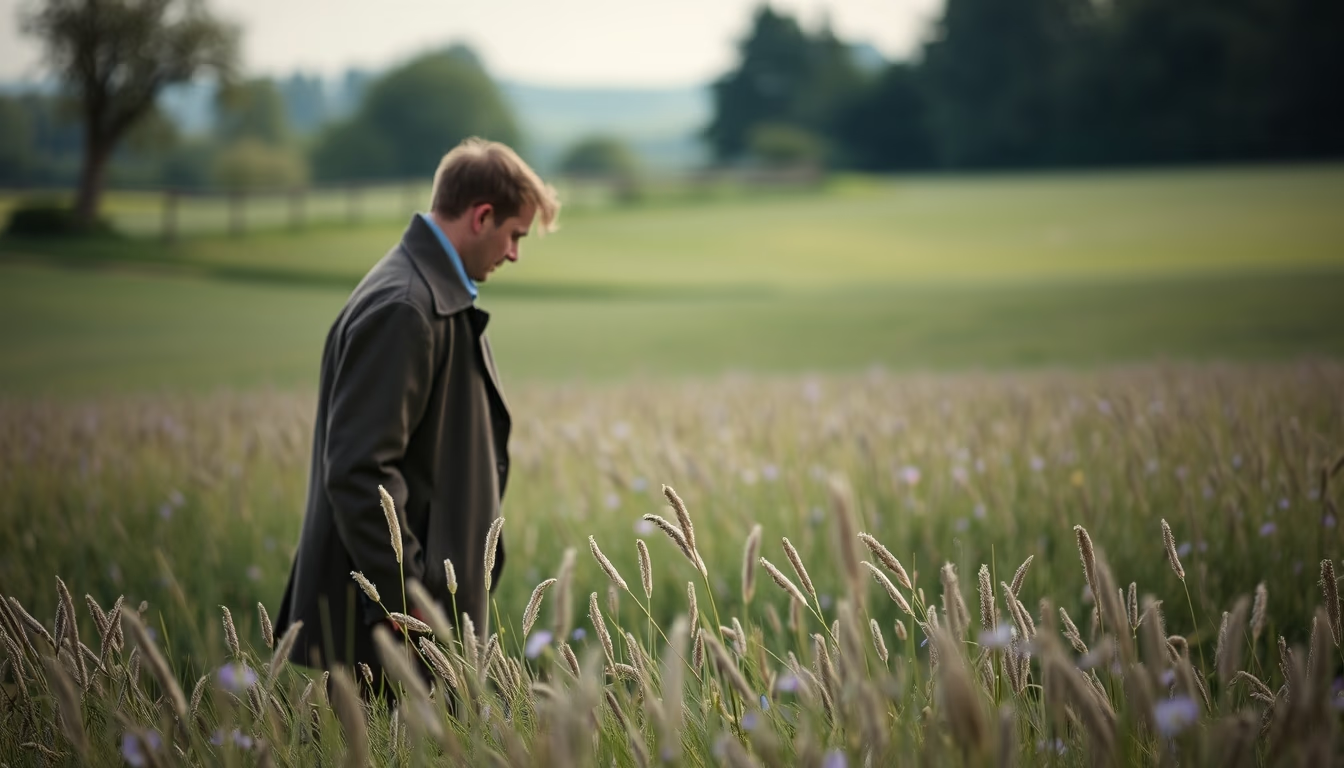
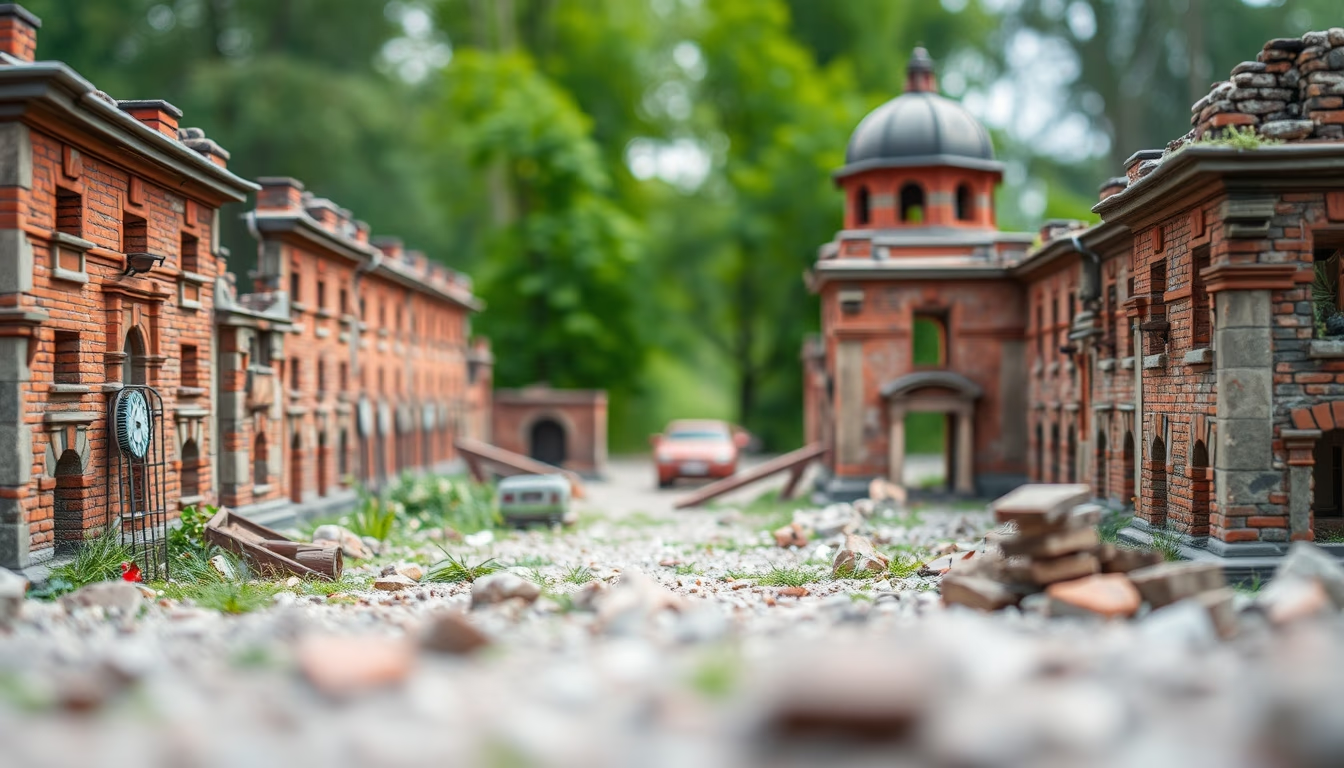
The ruins of Stalingrad after the Battle of Stalingrad (1942-1943), one of the bloodiest confrontations of World War II, marking a decisive turning point on the Eastern Front.
About this subject
The Battle of Stalingrad (August 1942 to February 1943) was the turning point of World War II in Europe. German forces, led by the 6th Army, attempted to capture the industrial city on the Volga River, crucial for control of the southern Soviet Union. Soviet resistance, combined with severe winter and the counter-offensive Operation Uranus, led to the encirclement and surrender of the German army. An estimated 2 million soldiers and civilians died from urban combat, aerial bombing, famine, and disease.
The ruins of the city became a symbol of war's brutality and Soviet resilience. After the battle, Stalingrad lay almost totally destroyed, with 99% of buildings damaged. Reconstruction began immediately, and the city was declared a Hero City. In 1961, it was renamed Volgograd, but the original name still resonates historically.
Today, the Mamayev Kurgan memorial, featuring the Motherland Calls statue, dominates the site and receives millions of visitors annually. The battle is studied in military academies as an example of urban warfare and siege logistics. The image of Stalingrad's ruins remains a powerful reminder of war's human cost and the capacity for endurance.
Frequently Asked Questions
What was the significance of the Battle of Stalingrad?
It was the turning point of World War II on the Eastern Front. The German defeat halted the Nazi advance toward the Caucasus and Soviet oil, and initiated the Soviet offensive that would reach Berlin.
How many people died at Stalingrad?
Estimates range from 1.5 to 2 million deaths, including Axis and Soviet soldiers as well as civilians. It was one of the deadliest battles in history.
What is the city of Stalingrad called today?
Since 1961 it is called Volgograd. The name change occurred during the de-Stalinization process in the Soviet Union, but the name Stalingrad is still used in historical contexts.
Direct URL
https://pub-c7d6a6ea828543ac903a74a341ccb2e1.r2.dev/imagens/stalingrad-ruins-studio-editorial-portrait-fresh1.avifHow to credit
Include a visible link back to UtilizAí. Copy one of the snippets below:
<a href="https://xn--utiliza-eza.com/en/midia/imagens/stalingrad-ruins-studio-editorial-portrait-fresh1">Stalingrad ruins</a> by <a href="https://xn--utiliza-eza.com">UtilizAí</a>, licensed under <a href="https://creativecommons.org/licenses/by/4.0/">CC BY 4.0</a>.
[Stalingrad ruins](https://xn--utiliza-eza.com/en/midia/imagens/stalingrad-ruins-studio-editorial-portrait-fresh1) by [UtilizAí](https://xn--utiliza-eza.com), CC BY 4.0
License: CC-BY-4.0