Stalingrad ruins
1344×768 · AVIF · CC BY 4.0
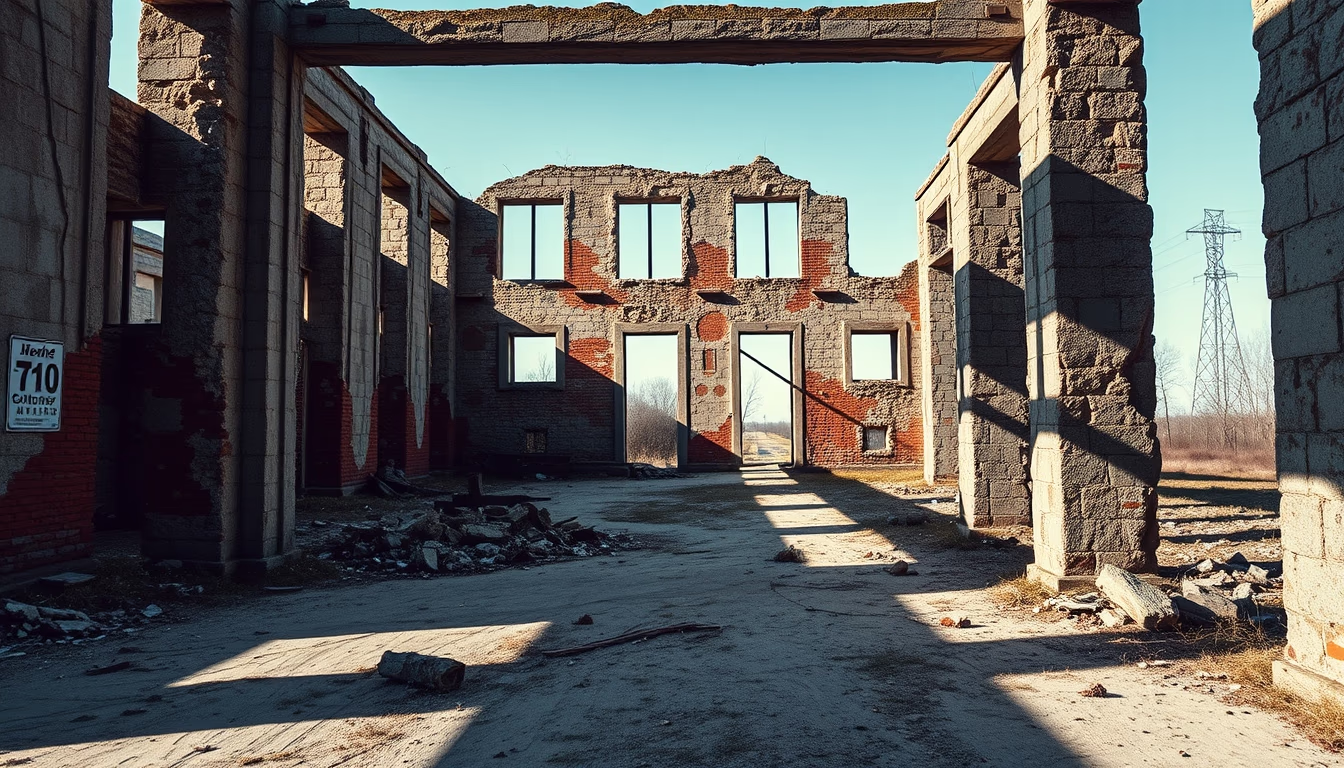
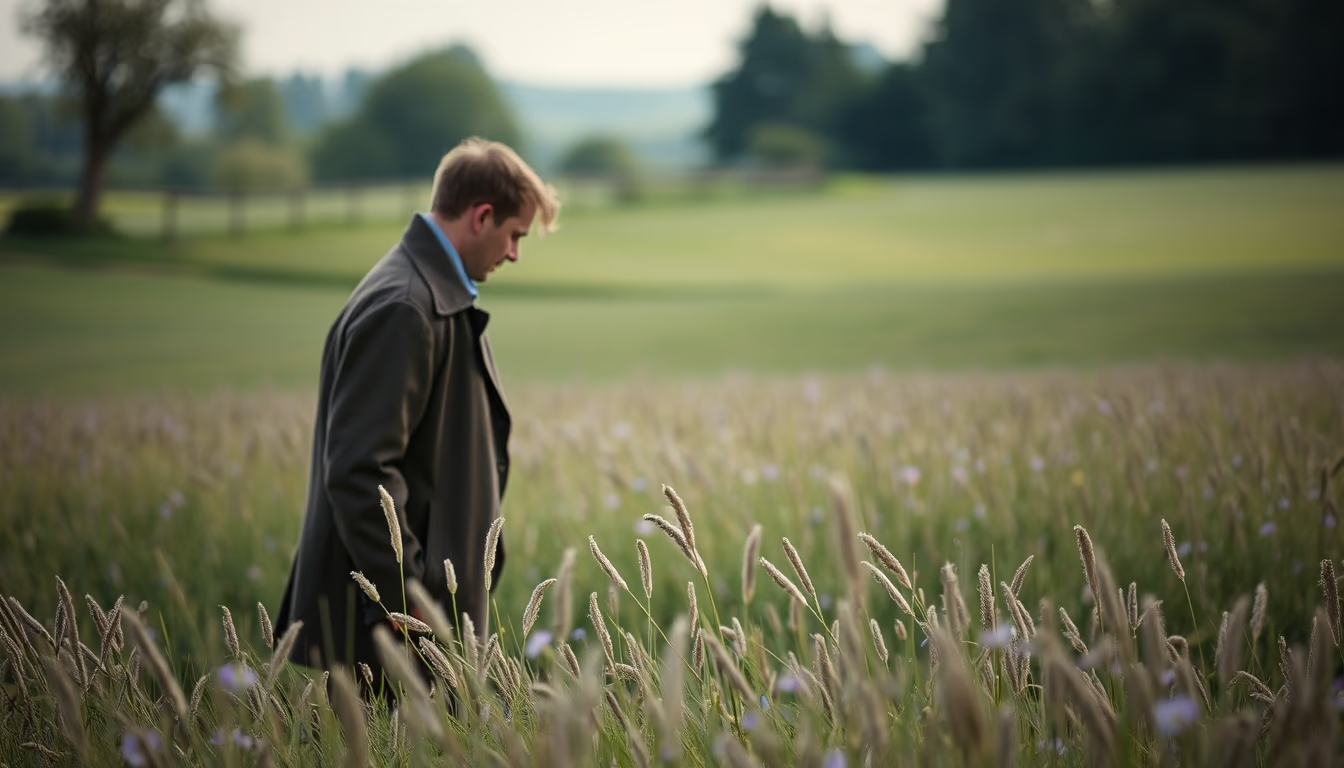
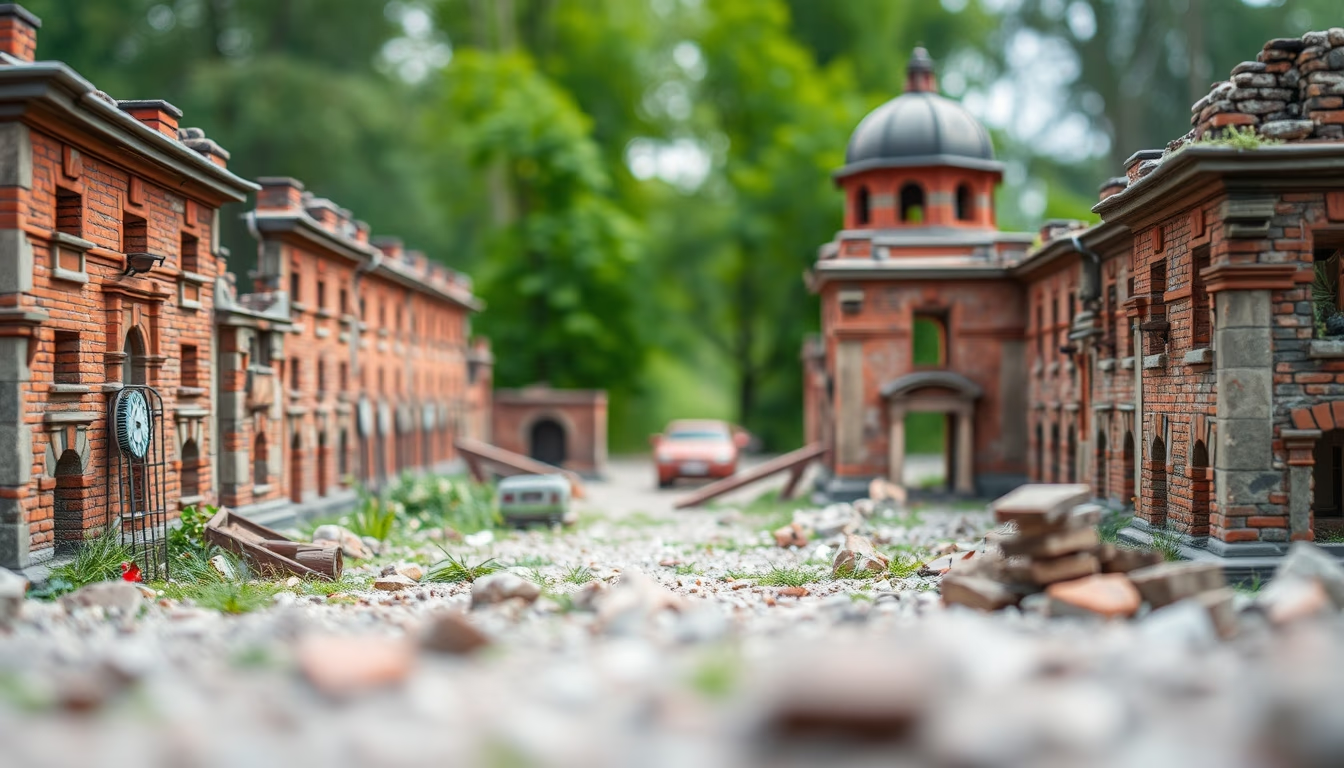
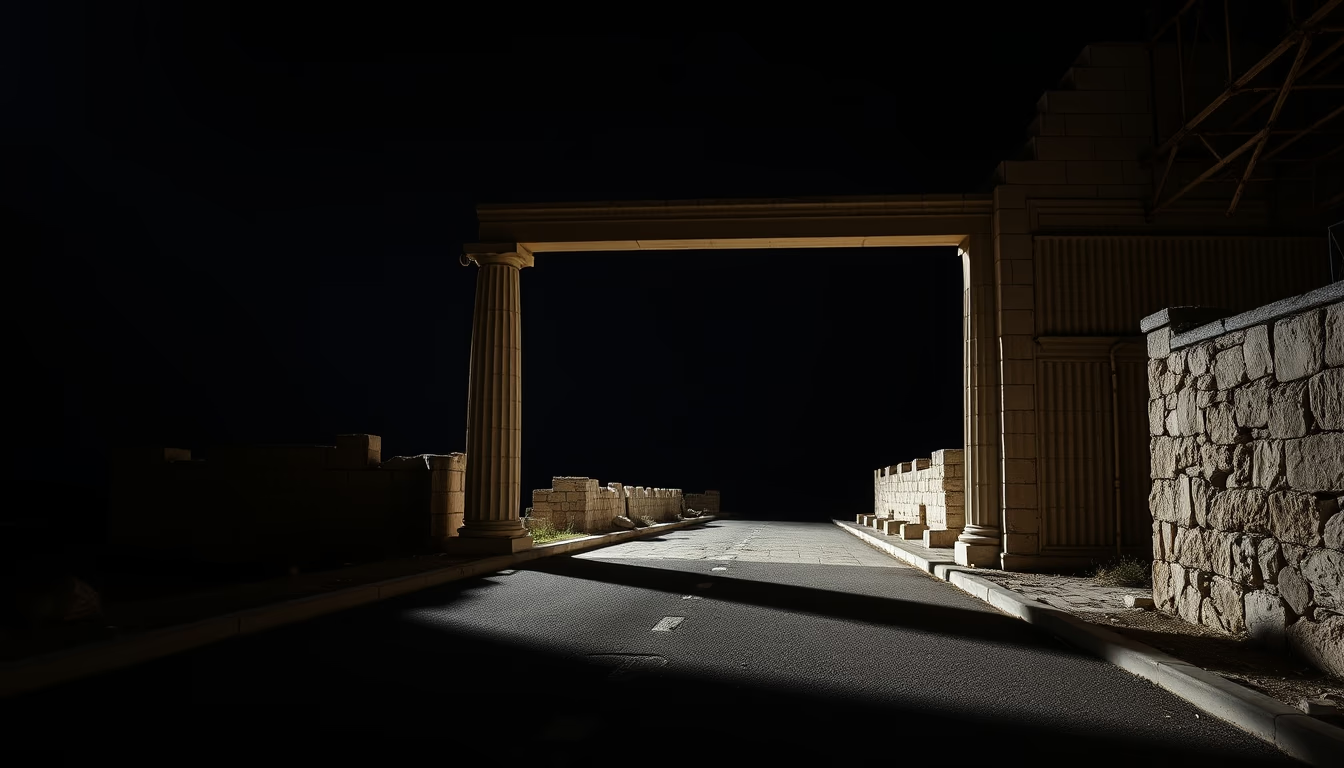
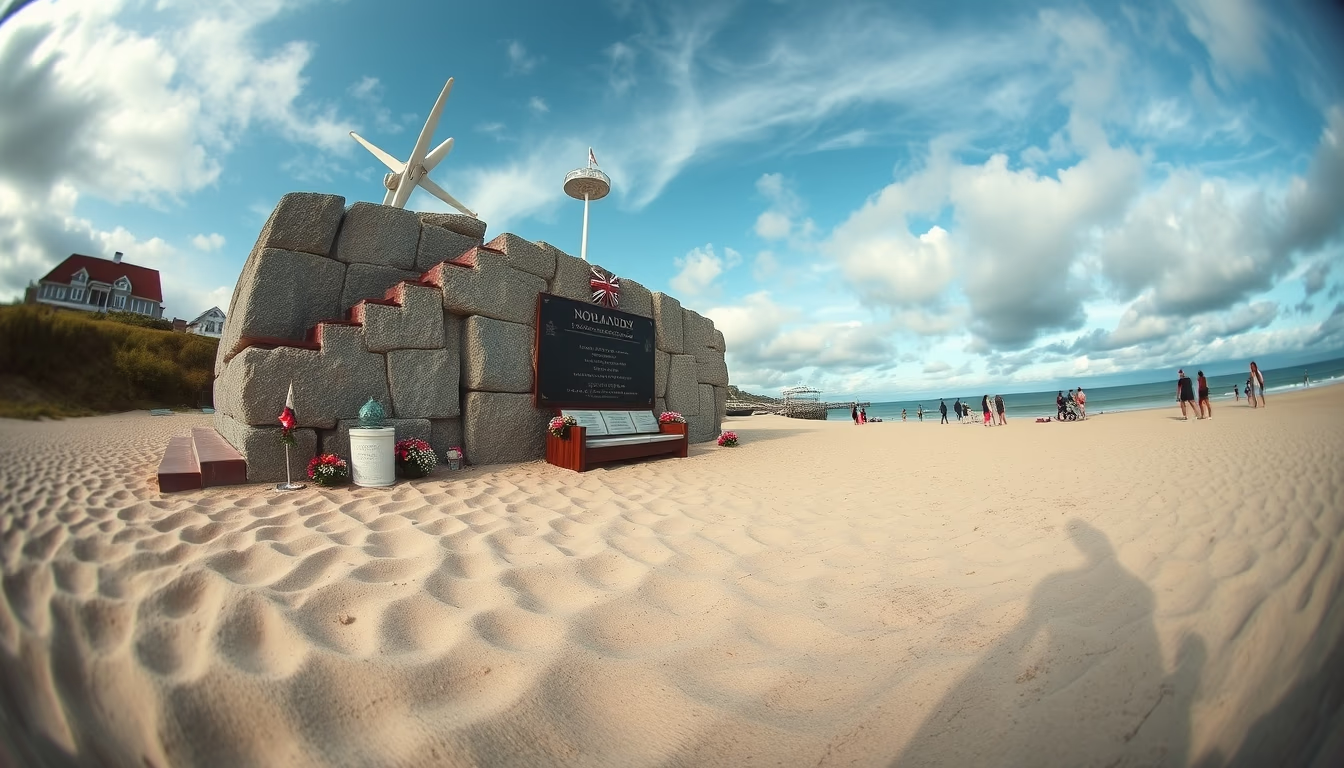
Ruins of Stalingrad, site of the bloodiest battle of World War II, where thousands of soldiers and civilians lost their lives between 1942 and 1943.
About this subject
The city of Stalingrad, now known as Volgograd, was the epicenter of one of the most decisive and brutal battles of World War II. Between August 1942 and February 1943, German and Soviet forces engaged in house-to-house combat amid smoking ruins. It is estimated that over 2 million people, including soldiers and civilians, died in the confrontation, making it the deadliest in modern history. The destruction was so severe that the city practically ceased to exist: buildings were reduced to rubble, and the ground was saturated with shrapnel and human remains.
The battle marked a turning point in the war. The Red Army, under the command of General Georgy Zhukov, managed to encircle and destroy the German 6th Army, led by Friedrich Paulus. The Soviet victory halted the Nazi advance toward the Caucasus and its oil fields, changing the course of the war on the Eastern Front. The stubborn resistance of Soviet defenders, including armed civilians, became a symbol of sacrifice and patriotism in the Soviet Union.
After the war, the city was rebuilt and renamed Volgograd in 1961 as part of the de-Stalinization process. Most of the original ruins were removed, but some monuments, such as the Mamayev Kurgan memorial, preserve the memory of the conflict. Today, visitors can explore the Battle of Stalingrad Panorama Museum, which displays artifacts and a 360-degree diorama of the battle. Images of the ruins, like the one in this photograph, stand as silent testimony to the devastation and human resilience.
Frequently Asked Questions
Why was the Battle of Stalingrad so important?
It was a turning point in World War II, as the Soviet victory halted the German advance toward the Caucasus and its oil fields, dealing a devastating blow to the Nazi army.
How many people died in the Battle of Stalingrad?
An estimated 1.8 to 2 million people, including Soviet and German soldiers as well as civilians, died, making it the bloodiest battle in history.
What remains of the Stalingrad ruins today?
Most ruins were removed during the city's reconstruction. However, sites like the Mamayev Kurgan memorial and the Battle of Stalingrad Panorama Museum preserve the memory of the conflict.
Direct URL
https://pub-c7d6a6ea828543ac903a74a341ccb2e1.r2.dev/imagens/stalingrad-ruins-magazine-editorial-fresh6.avifHow to credit
Include a visible link back to UtilizAí. Copy one of the snippets below:
<a href="https://xn--utiliza-eza.com/en/midia/imagens/stalingrad-ruins-magazine-editorial-fresh6">Stalingrad ruins</a> by <a href="https://xn--utiliza-eza.com">UtilizAí</a>, licensed under <a href="https://creativecommons.org/licenses/by/4.0/">CC BY 4.0</a>.
[Stalingrad ruins](https://xn--utiliza-eza.com/en/midia/imagens/stalingrad-ruins-magazine-editorial-fresh6) by [UtilizAí](https://xn--utiliza-eza.com), CC BY 4.0
License: CC-BY-4.0